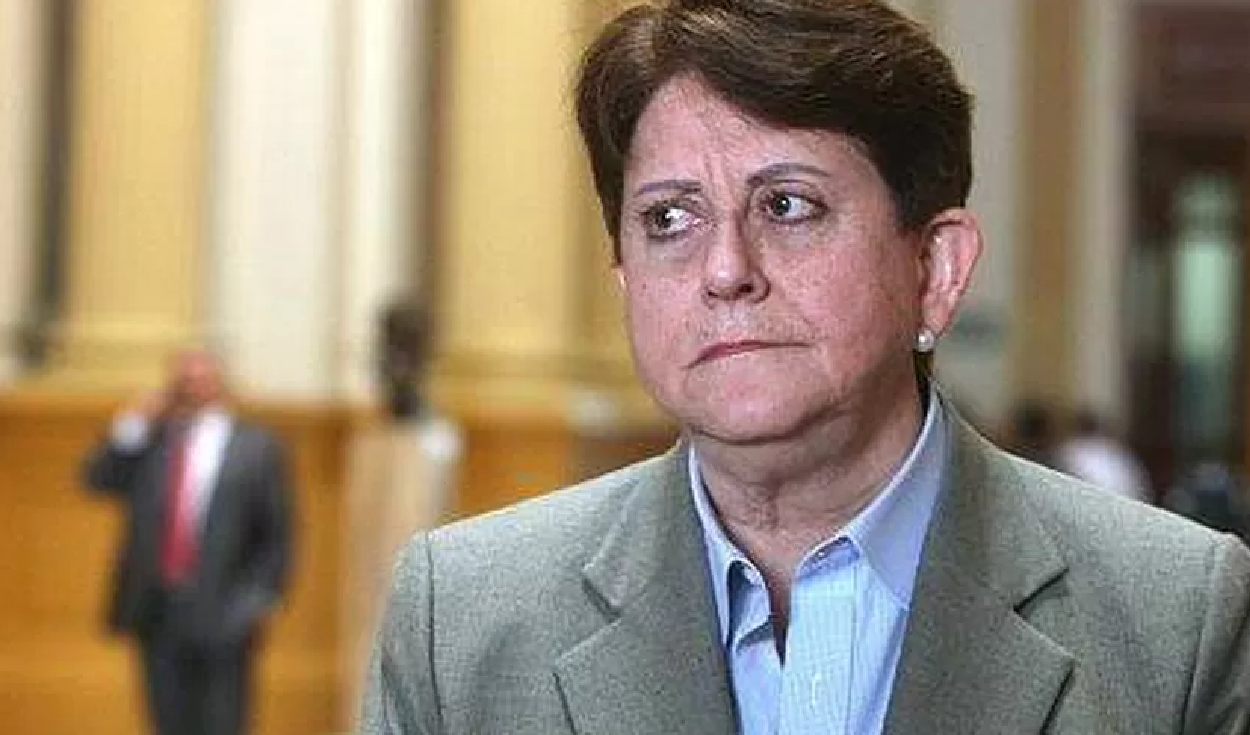
Lourdes Alcorta, a senator from the Renovación Popular party, said Peru's Executive should have separated proposed measures on crime and the El Niño weather phenomenon from the rest of a broader legislative faculties package it sent to Congress. She said both issues amounted to a non-ideological emergency that could have been processed independently and more quickly.
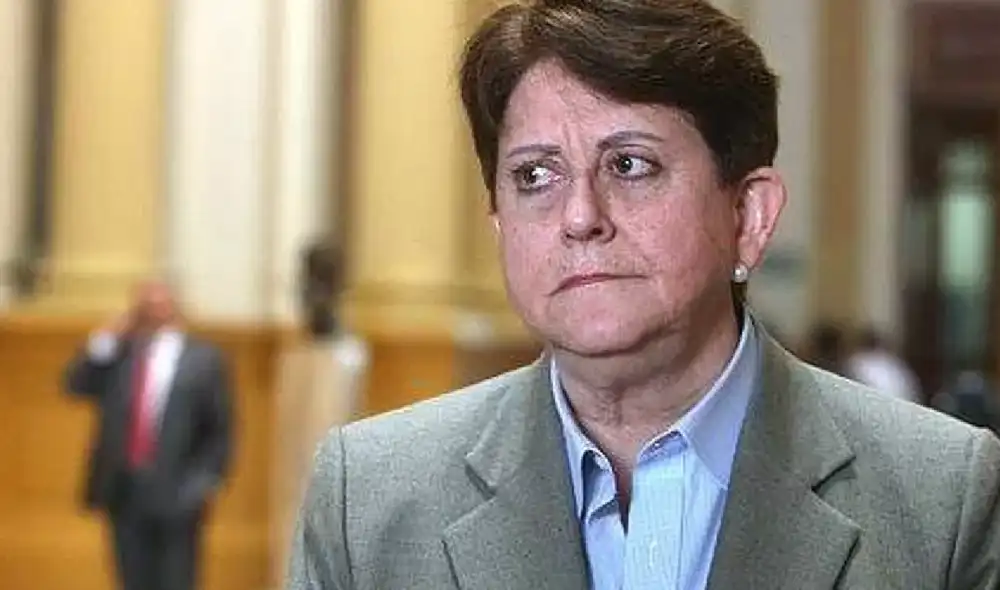
Alcorta said the government "went overboard" by bundling a wide range of matters into a single request that could instead have gone through ordinary congressional committees or emergency decrees. In her view, the mixing cheapened the proposal and took away from the seriousness of its underlying content, while the emergency measures, had they been sent separately, would have been approved immediately.
What legislative faculties are
Legislative faculties are a constitutional mechanism that lets Congress delegate lawmaking power to the Executive for a limited time and on specific matters, allowing the government to issue decrees with the force of law. Peru's Congress operates under a bicameral system made up of a Chamber of Deputies and a Senate. El Niño is a recurring climate pattern that brings heavy rains and flooding to Peru's coast, and disaster response to it is among the issues covered by the current faculties request, which totals 66 measures.
Dispute over the Senate's role
Alcorta's remarks came after Marta Chávez suggested that if the Chamber of Deputies approves only part of the faculties package, the Senate could later step in and approve the full set of measures. Alcorta said she could not endorse that reading, adding that she was not certain the Senate holds that constitutional power, and she declined to comment on a possible clash between the two chambers.
She said she would try to talk with Chávez and with representatives of the Chamber of Deputies to explore a formula for reaching agreement, while declining to take sides in any dispute between the chambers. She said she would not speak, give an opinion, or pit one chamber against the other on the matter.
Deputies ask premier to split the bill
Separately, an official letter from Deputies spokespeople César Holguín of Ahora Nación, Ernesto Zunini of Juntos por el Perú and Víctor Piñán of Obras asked Prime Minister Luis Galarreta for the Executive to submit a new delegation of faculties bill limited solely to citizen security and disaster risk management, including the response to the El Niño phenomenon. The newspaper La República reported the letter on September 11.
The signatories warned that the Senate could distort the bicameral process, arguing that if the Chamber of Deputies approves only part of the matters in the original bill, the Upper Chamber could restore the parts left out. They linked that risk to public statements made by senators Martha Chávez Cossío and Carlos Mesía. The spokespeople based their request on Article 104 of the Constitution, Article 108 of the Congress Regulation and Article 25-a of the Senate Regulation, which they said limit the Senate to modifying what the Chamber of Deputies has approved without adding different matters.