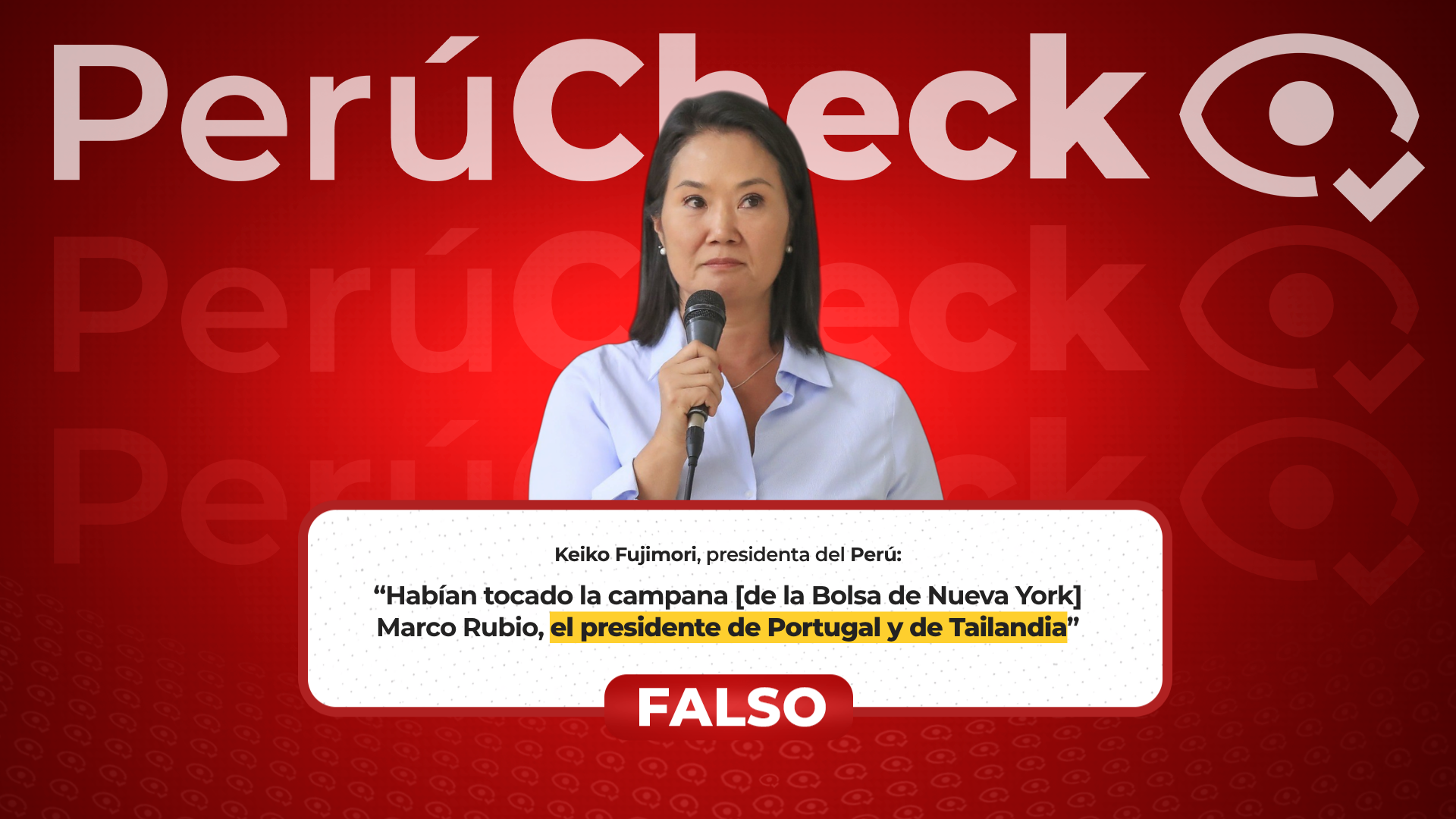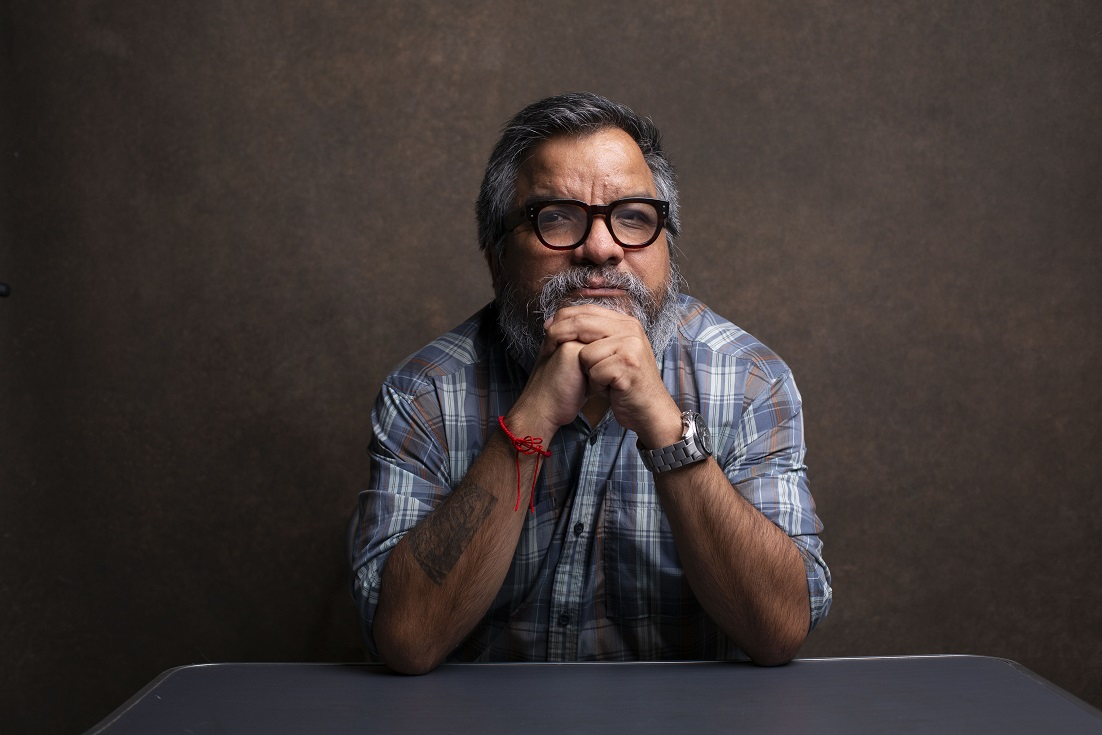
Julio Arbizu, a former Peruvian prosecutor, has published his first book, Negro, contra el desprecio (Reservoir Books, 2026), a collection of stories about the racial discrimination he has experienced throughout his life. In an interview to mark the publication, he said the reconciliation message being promoted by the government of President Keiko Fujimori is false.
Arbizu said that real reconciliation in Peru can only happen when Peruvians confront the unequal treatment that persists between them. Until that happens, he argued, any talk of reconciliation remains hollow.
He was also skeptical of Fujimori's stated commitment to fighting corruption, noting that fifteen of her ministers are under investigation or facing prosecution on corruption charges. He questioned how a leader could credibly campaign against corruption while defending the record of her father's government, which he described as probably the most corrupt in the country's republican history.
A system no one escapes
The book draws on episodes from Arbizu's childhood through to the present day. He said he structured it chronologically so that readers could trace how his understanding of racism developed over time. As a child, he did not have the tools to name what was happening to him; as an adult, he said, he can.
He acknowledged that he has not been innocent of discriminatory behavior himself. Several passages in the book show him as part of the same social system he criticizes. Advisers suggested he remove some of those scenes before publication, but he chose to keep them, saying the book is intended as a mirror in which any reader can find themselves.
Arbizu said the Brazilian educator Paulo Freire's concept of the oppressed oppressor helps explain how discrimination reproduces itself. People who are themselves looked down upon often turn and look down on others below them, he said.
From the Baguazo to Honduras
During the government of Ollanta Humala, Arbizu was tasked with writing the official report on the Baguazo, a confrontation in which 23 police officers and 10 indigenous people were killed. He said the tragedy could have ended differently if the Peruvians involved had been able to communicate their demands to those in power. Blocking people's ability to articulate their needs, he argued, is one of the most damaging forms of discrimination.
He also described a mission to Honduras on behalf of the Organization of American States, where he had expected the professional environment to be free of racial prejudice. Instead, he said, colleagues used racial slurs to refer to the Honduran citizens they were supposed to be helping. He identified OAS Secretary General Luis Almagro as having sent people close to his inner circle to fill posts for which they were neither professionally nor ethically prepared.
Victims and their value
Arbizu drew a contrast between the roughly 5,000 people killed under Chile's military dictatorship and the approximately 70,000 killed during Peru's internal armed conflict. He said the difference in the political weight assigned to those deaths reflects a hierarchy of victims. Most of Peru's dead, he noted, were indigenous peasants, many of them without national identity documents, and Quechua speakers living in poverty.
He said it was no surprise that Fujimori did not mention the victims of protests during 2022 and 2023 in her address to the nation. Doing so would require self-criticism that he considered very unlikely.
Discrimination on the left
Arbizu, who has stood for election with the left-wing Juntos por el Perú alliance, said discrimination is not limited to conservative circles. He said a distance between Lima-based members and those from the provinces is visible within progressive movements as well, and that Lima insiders sometimes display a sense of intellectual superiority toward colleagues from elsewhere in the country.
He said his own education and passage through public office have served as a kind of safe-conduct pass that has partly shielded him from the full weight of a social gravity that pushes people downward. Others, he said, find more damaging ways to distinguish themselves from those seen as beneath them.
His daughter Gabriela, now 21 and studying law in Chile, wrote a Facebook post included in the book. In it, she wrote that she carries her roots tattooed on her face and that this fills her with pride. Arbizu said she understood years ago what has taken him fifteen years of psychoanalysis and the writing of fifteen painful stories to articulate.