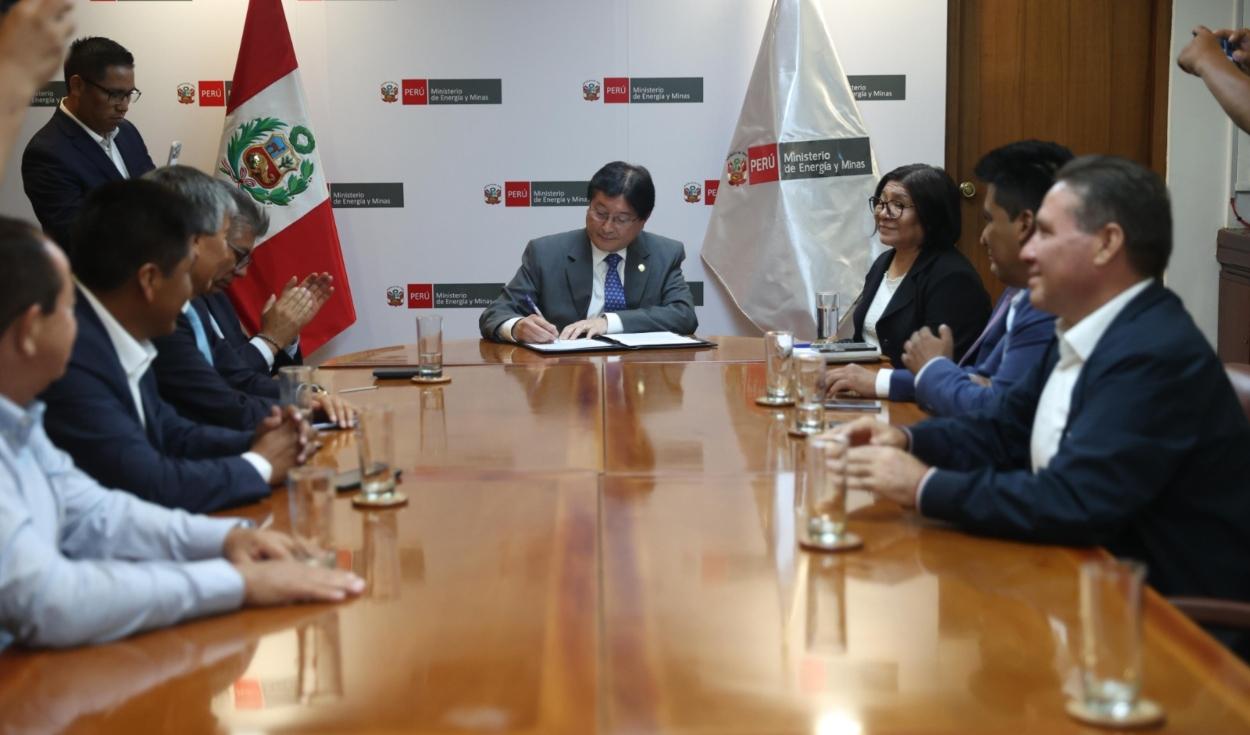
Peru's Ministry of Energy and Mines signed a ministerial resolution on Monday that allows officials to move forward with modifying the concession contract held by gas distributor Cálidda, a step toward extending natural gas service to seven regions in central and southern Peru.
The proposal calls for an investment of $550 million, connections for more than 300,000 homes, and a reach of more than one million people across 15 cities. The regions covered are Cusco, Puno, Apurímac, Ayacucho, Huancavelica, Junín and Ucayali.
The resolution is a preliminary step and does not mean the service is now available in those areas. An addendum to the concession contract still needs to be finalized before the expansion can be carried out.
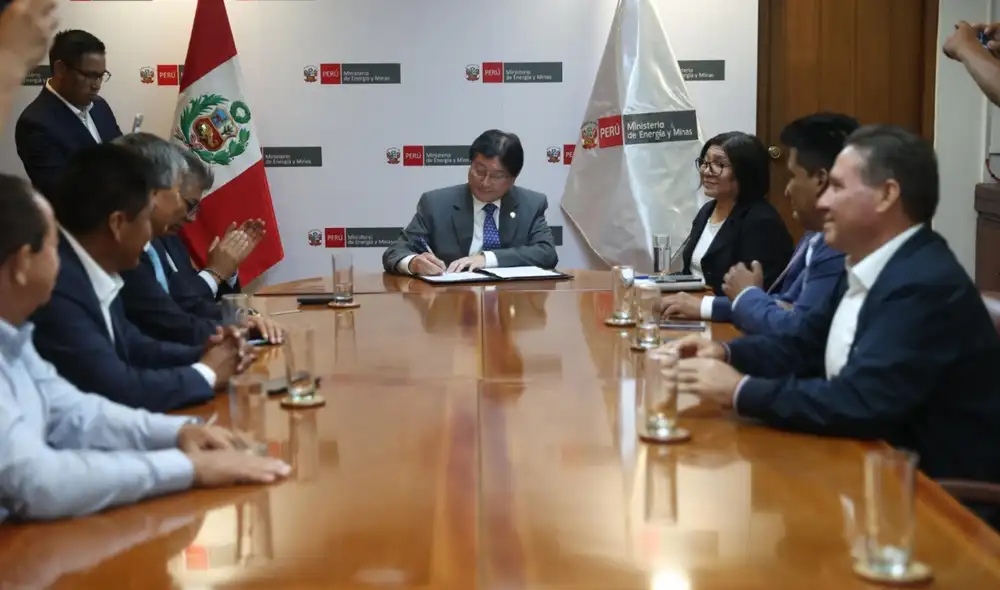
Energy and Mines Minister Guillermo Shinno took part in the signing alongside regional authorities. He said the measure was a necessary step to make the service expansion viable, noting that the project had been proposed for more than two decades.
What the expansion would change
The contract modification is designed to extend Cálidda's distribution network into towns that currently have no natural gas pipelines. Natural gas can offer households a cheaper alternative to bottled liquefied petroleum gas, though any actual savings would depend on tariffs, connection costs and the conditions under which the service is rolled out.
Cálidda holds the concession for natural gas distribution in Lima and Callao, where most of Peru's existing gas network is concentrated. The seven-region plan is part of a broader push to extend the fuel's use beyond the capital.
Regional governors back the plan
During the meeting, the governors of Cusco, Puno, Apurímac, Ayacucho, Junín and Ucayali expressed support for the initiative, saying the project has technical and legal viability and asking that the process to carry it out continue.
Werner Salcedo, the regional governor of Cusco, said residents had waited more than 24 years for an alternative source of natural gas supply and argued that bringing gas to the region would cut household energy spending.
Richard Hancco, the governor of Puno, said he had presented the scope of the initiative to social organizations and political representatives. He added that a separate proposal to build a gas pipeline in southern Peru covering the Altiplano region remains active.
Wilfredo Oscorima, the governor of Ayacucho, asked the executive branch to continue with the contract modification process. Percy Godoy, representing Apurímac, and Manuel Gambini, representing Ucayali, also voiced their support.
The meeting also included Iris Cárdenas, Minem's vice minister of hydrocarbons; Francisco de Asís Mendoza, the provincial mayor of Atalaya; and Parmi Huaccaycachacc, the mayor-elect of Andahuaylas.
Regulator has raised objections
The planned expansion of Cálidda's concession has already drawn criticism. In September, Peru's energy and mining regulator, Osinergmin, warned that the minimum connection targets in the addendum would not cover all the homes included in the project. Of a potential 300,613 consumers, only 201,411 connections would be mandatory, the regulator said.
Osinergmin also objected to the addendum's effect on tariffs paid by users in Lima and Callao. According to its analysis, more than 1.8 million users in those areas would keep paying through their bills for networks whose costs would already have been covered.
Whether the seven regions ultimately get natural gas service will depend on the signing of the addendum, compliance with the investment commitments, and the completion of the infrastructure works involved.
What happens next
The expansion depends on the signing of the addendum to Cálidda's concession contract, compliance with investment commitments, and completion of infrastructure works.
Test yourself
How much investment does the proposed Cálidda gas expansion involve?
What did Peru's regulator Osinergmin warn about in September?
What step still needs to happen before the expansion can be carried out?
Have your say
Should Peru prioritize extending natural gas access beyond Lima and Callao?
Where it happened
Lima, Peru