Spanish Transport Minister Óscar Puente has openly declared his readiness to succeed Prime Minister Pedro Sánchez as leader of the Spanish Socialist Workers' Party.
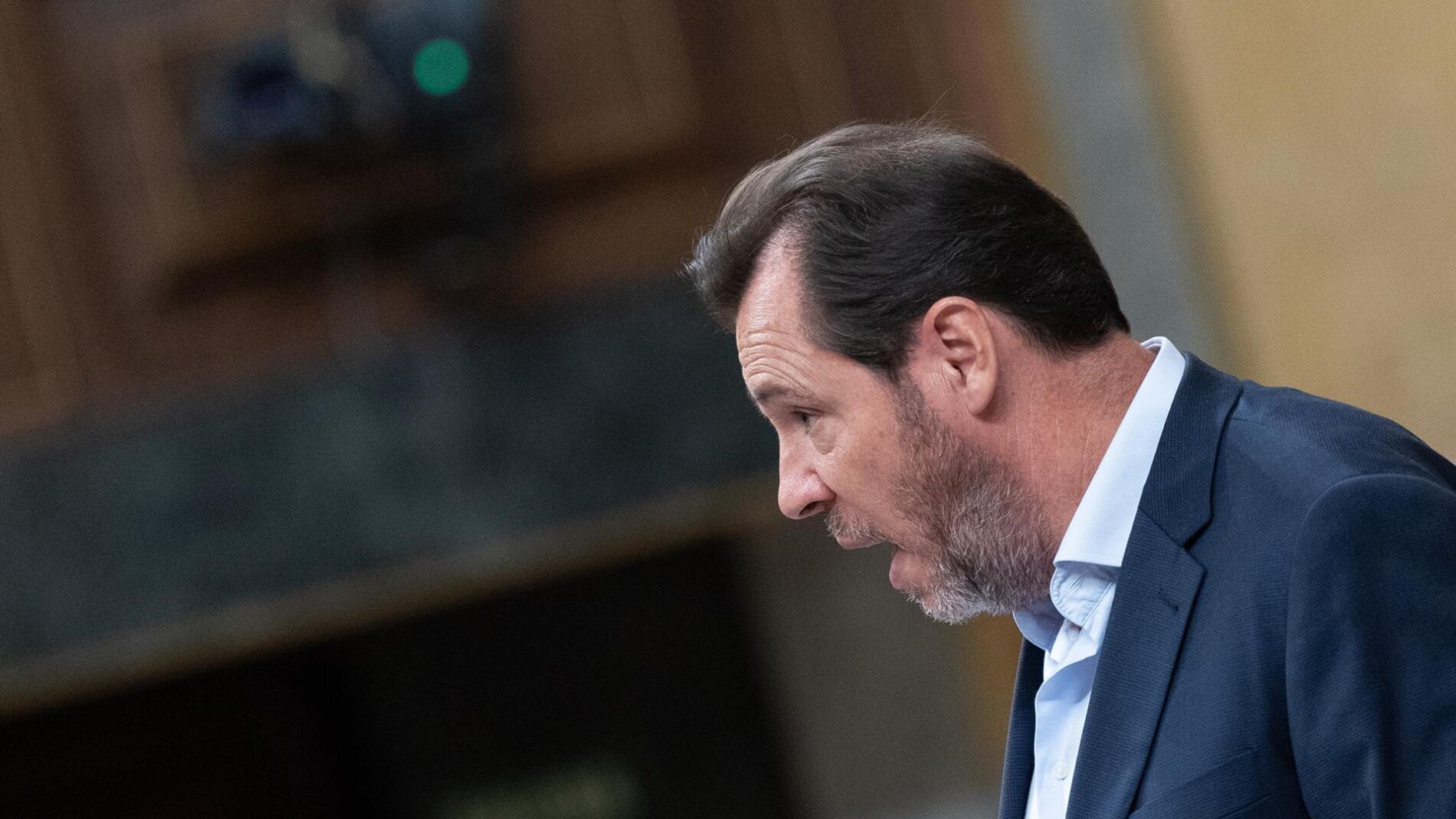
His public positioning signals that the inner circle surrounding Sánchez anticipates a leadership change in the short term, driven by expectations of a severe defeat in the next general elections following poor regional election results in recent months.
Puente is competing for party influence against Félix Bolaños, the Minister of the Presidency, who has been operating more quietly behind the scenes. Internal friction recently escalated when Bolaños backed Madrid councilor Enma López against former Industry Minister Reyes Maroto for the PSOE mayoral nomination in Madrid, a move that drew irritation from the Prime Minister's official residence at Moncloa Palace.
Internal party competition
Political commentator Tomás Gómez described Puente as a prominent example of a personalist leadership model under Sánchez, where party figures prioritize strict loyalty to the leader over independent political judgment. In this framework, aggressive public communication is favored over internal political consensus to handle political confrontation.
Puente had previously described Sánchez as the Michael Jordan of the PSOE, comparing the Prime Minister to the famous American basketball player. Gómez argued that such statements reveal how the ruling party has come to center around an individual star rather than building durable institutional leadership.
According to the commentary, Puente embodies the political style developed during Sánchez's tenure, conducting politics as continuous combat, using social media as an extension of the Cabinet, and treating political opponents as enemies while confusing personal notoriety with leadership.
Party structure and leadership legacy
The commentary notes that Sánchez remains unwilling to designate a formal successor because he intends to retain influence over the party even after leaving the premiership. Furthermore, the concentrated, personalized power built over his tenure cannot easily be transferred to another figure.
This approach stands in contrast to former Prime Minister Felipe González, who led the PSOE from 1974 to 1997 and served as Prime Minister between 1982 and 1996. González left behind a bench of prominent national figures, intellectually formidable ministers, and regional leaders capable of internal debate, giving the party political depth.
After 12 years of Sánchez leading the party, analysts contend that the PSOE faces a significant challenge of structural reconstruction. The party has been drained of independent leadership and core principles, leaving figures like Puente as some of the few visible contenders for its future governance.