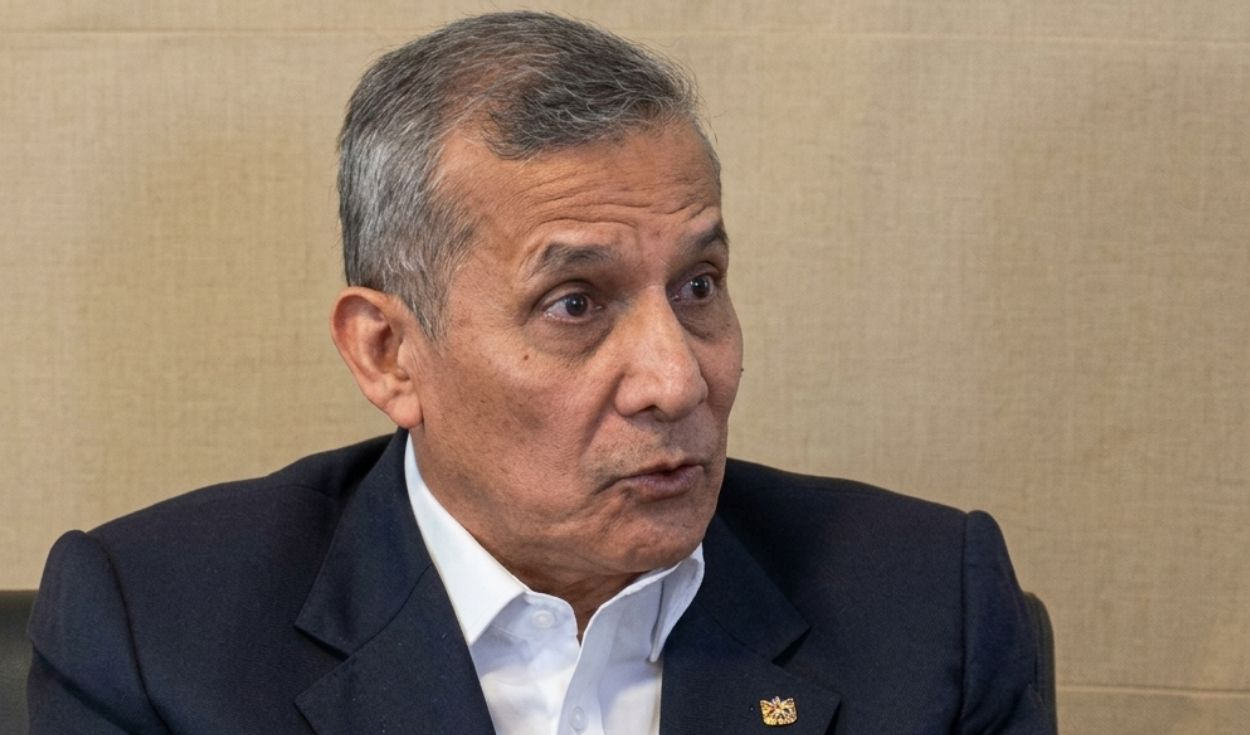
Former Peruvian President Ollanta Humala has accused political opponents, prosecutors, and judges of leading a 15 year persecution campaign against him and his wife Nadine Heredia.
Humala broke his silence in an interview with Rosa Maria Palacios on the streaming program Sin Guion for La Republica after completing 15 months in prison. He expressed indignation over his detention, stating that a preliminary investigation should have resolved the case rather than causing irreparable harm.
According to Humala, political and judicial actions against him, his family, and the Nationalist Party began around 2006 or 2007 under former President Alan Garcia Perez. He stated that Garcia viewed him as an enemy following political confrontations during the 2000 uprising and 2006 election campaign, leading to public claims that Humala was subordinate to Venezuelan leader Hugo Chavez.
Humala said the allegations shifted in 2011 to receiving financial support from former Brazilian President Lula da Silva and the Workers Party. He added that opponents sought to create a narrative that his movement received funds from left-wing governments rather than private corporate donors.
Humala stated that Garcia and associated economic interest groups did not anticipate prosecutors translating campaign contributions into criminal charges affecting all political parties. He claimed the primary goal of opponents was to prevent Nadine Heredia from becoming the Nationalist Party presidential candidate for the 2016 election, at a time when her approval rating stood between 50 percent and 60 percent around 2013 and 2014.
Opponents focused on the presidential couple and alleged spousal re-election to undermine her standing, making her the first former first lady barred from leaving Peru. Humala announced that the Nationalist Party will take legal action to restore its official party registration after being criminalized as a criminal organization, noting that Heredia ran for office in 2021 specifically to preserve the party registration.
He identified right-wing political parties including APRA, Fujimorismo, and congressional opposition groups as continuing Garcia's political legacy alongside backing economic groups. Humala said these groups feared Heredia could run for office in 2016, 2021, 2026, or 2031, leading to legal charges including homicide, usurpation of functions, corruption, and bribery despite the first lady role carrying no official state duties.
Heredia served 18 months of preventive detention and nearly two years of house arrest before the Constitutional Court declared both measures illegal.
International Job Interference and Executive Record
Humala stated that the Peruvian government under former President Pedro Pablo Kuczynski interfered with Heredia's employment at the Food and Agriculture Organization in Geneva after she won an international public competition. Kuczynski sent formal letters to the United Nations and the organization threatening Peru's withdrawal if she did not resign, while Congress passed a unanimous motion censuring the organization.
Judge Richard Concepcion Carhuancho and prosecutor German Juarez Atoche used a biometric check-in hearing in Geneva to debate preventive detention following media reports of an alleged flight plan. Humala clarified that Heredia had notified both officials prior to traveling abroad.
Defending his presidential administration, Humala denied leading a right-wing government, highlighting social initiatives for low-income citizens. He cited the creation of the Ministry of Development and Social Inclusion, social programs Pensión 65 and Beca 18, and public works including Metro Line 2, Metro Line 4, and commuter rail projects.
Humala said economic interest groups preferred dealing with political bosses rather than structured parties defending national interests. He noted that Banco de Credito del Peru maintained only three heads across 10 or 11 national administrations, adding that he rejected requests from business executives for monthly private lunches at Palacio de Gobierno similar to those held during Garcia's presidency.
Judicial Misconduct and Prosecution Allegations
Humala identified Alan Garcia as the primary leader behind the political actions against his family, noting that Garcia ultimately met a worse outcome. He accused investigating prosecutors and judges of acting with intent and corruption rather than simple poor judgment.
Humala criticized effective collaboration laws modified under former Justice Minister Marisol Pérez Tello, describing the system as a market where prosecutors arrange deals with criminal figures to compensate for a lack of evidence without requiring genuine repentance. He detailed the administrative status of key judicial figures involved in his case.
Prosecutor Geovana Mori was reassigned to her original post in Callao by the National Prosecutor, while prosecutor José Domingo Pérez was dismissed and prosecutor Rafael Vela was suspended. Prosecutor Germán Juárez Atoche is under investigation, and judge Richard Concepción Carhuancho was suspended.
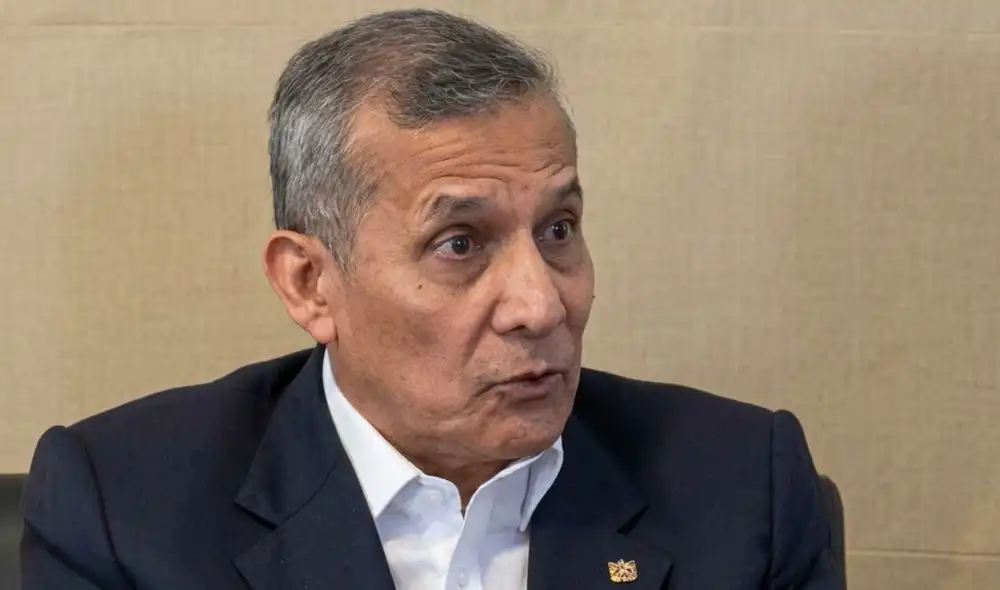
Humala stated that Juarez is under investigation for allegedly receiving payments from effective collaborators in cases involving Martín Belaunde and the Paredes brothers in the Construction Club investigation. Humala filed criminal charges against prosecutor Mori for abuse of authority after she obtained and publicized Heredia's medical records from Delgado Clinic without judicial authorization, adding that he intends to sue Delgado Clinic.
He also filed charges against judge Carhuancho for procedural fraud, alleging Carhuancho approved a false collaboration by Martín Belaunde without required extradition approval from Bolivia, which had rejected the request in 2022 before Carhuancho incorporated it in 2024.
Humala reported that his release followed a ruling by the National Control Authority sanctioning judges Nayko Coronado and Max Vengoa Valdiglesias. The judges had read an unwritten verdict during oral hearings and held Humala for 15 days without issuing a written sentence.
He stated that judges Coronado and Vengoa argued during hearings that the Code of Criminal Procedure superseded the 1991 Constitution, acting out of concern for personal administrative sanctions if a defendant fled.
Family Finances and State Legal Actions
Humala stated he is evaluating suing the Peruvian state for civil damages resulting from spending more than two years in prison. He noted that legal proceedings forced his family into diaspora, with his youngest son sent abroad to complete high school and his daughters relocating for higher education.
Rejecting any comparison to an amnesty law, Humala insisted on full legal vindication and stated the Peruvian state must issue a formal apology. He explained that Heredia traveled abroad with their youngest son to ensure his stability while Humala remained in Peru to defend their family name and administration.
Humala said family legal defense decisions were coordinated with Brazilian and Peruvian legal counsel prior to judicial hearings. Addressing comments from APRA politician Jorge del Castillo claiming Humala was playing the victim, Humala stated his actions were driven by family honor.
He addressed financial accusations published by Expreso and promoted by political figures including Víctor Andrés García Belaunde and Aldo Mariátegui regarding alleged hidden wealth. Humala stated that official forensic financial audits found no unexplained wealth balance. He noted that Heredia earned more than him prior to their marriage and held savings, while he owned an apartment in Miraflores and a vehicle as a senior military officer.
The family relied on loans from relatives to cover expenses, while his daughters worked and secured student loans to fund private university studies in the United States.
Status of Remaining Cases and Prison Conditions
Humala announced plans to seek the dismissal of all remaining open cases, including Gasoducto, Construction Club, Olmos, and the Convention Center. He argued these proceedings rely on the prosecution's pre-bribe theory derived from the original campaign finance laundering case.
He noted that portions of the Gasoducto case have already been archived, with the remainder currently in the intermediate stage. Humala cited testimony from former Odebrecht executive Jorge Barata stating that the Humala administration treated Odebrecht harshly, causing the firm to lose the Metro Line 2 contract to a European and Spanish consortium.
Reflecting on his 15 months in prison, Humala said he spent time reading historical works including Yo, Julia by Santiago Posteguillo and researching how the Ottoman capture of Constantinople disrupted the Silk Road and triggered European exploration of America. He attributed his physical and mental endurance in prison to his military background, including 18 months in the Cordillera del Condor during the 1995 Ecuador conflict and a year at Chalhuapalca in 1987 at minus 20 degrees Celsius.
Humala confirmed conversing with former Peruvian presidents held in the same facility, including Alejandro Toledo, Pedro Castillo, and Martín Vizcarra. He compared the prison environment to Las Vegas, stating that internal conversations remain private under a mutual standard of respect.
He distinguished his campaign finance case from Keiko Fujimori, who received corporate campaign donations, and Toledo, who faces bribery charges. Humala clarified that seized personal notebooks referencing barbudos referred to businessman Salomón Lerner and the Jewish community, while caja fuerte referred to expected family contributions.
Humala accused the special Lava Jato prosecutorial team of committing treason by permitting Odebrecht to sell the Chaglla hydroelectric plant and allowing Barata to access bank funds while focusing charges on former Peruvian officials. He added that he personally extradited former advisor Martín Belaunde from Bolivia during his presidency despite requests from Belaunde's father to stop the extradition.