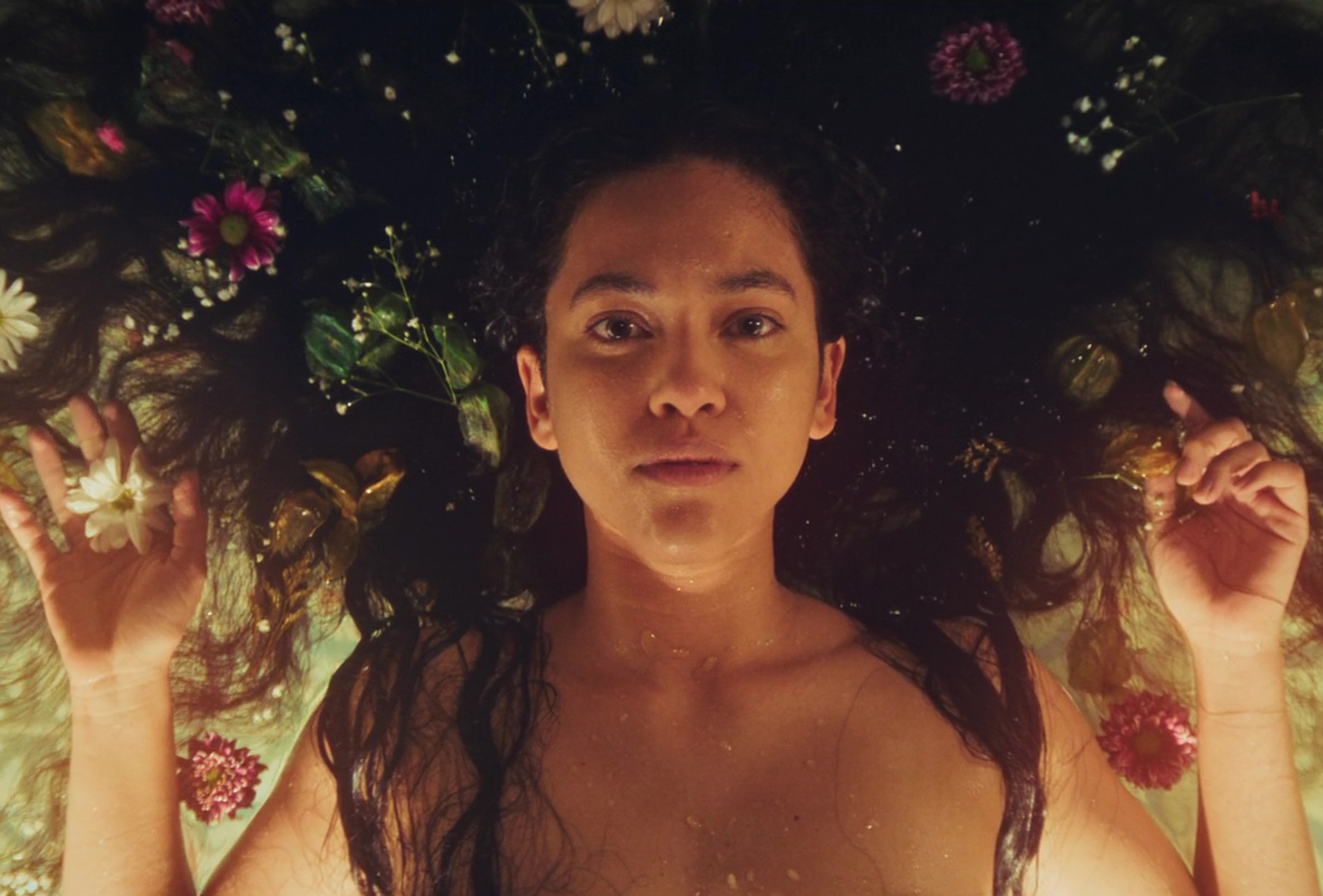
Netflix has released the entire second and final season of One Hundred Years of Solitude, an epic Colombian television adaptation of Gabriel Garcia Marquez's novel.
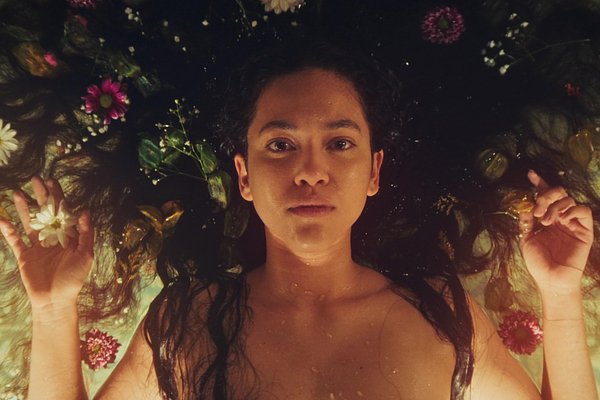
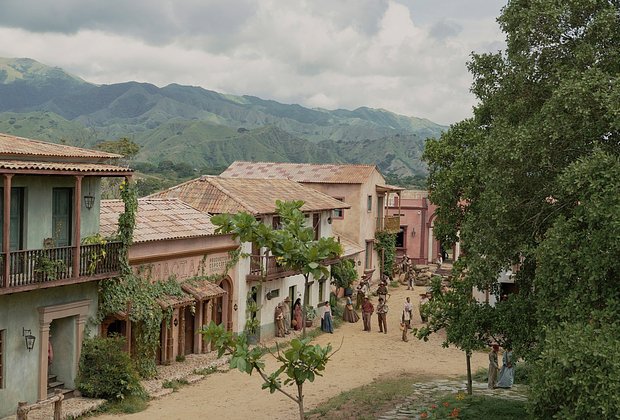
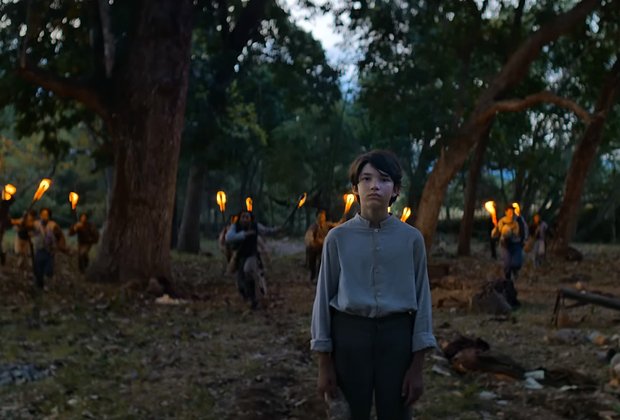
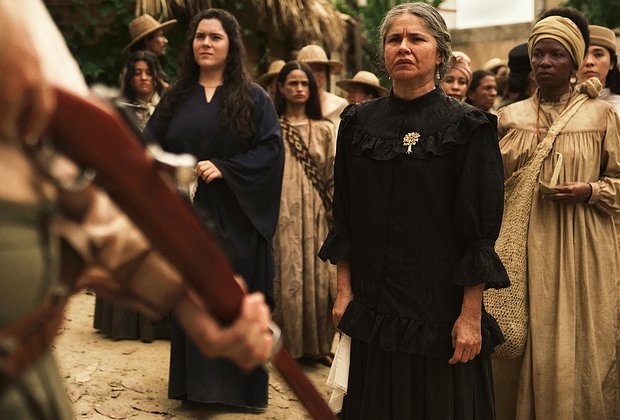
The series stands as the most ambitious production in Colombian television history. Set in the isolated town of Macondo on a small nameless river among swampy forests, the story follows the Buendia family across generations of strange occurrences, hardships, and conflict.
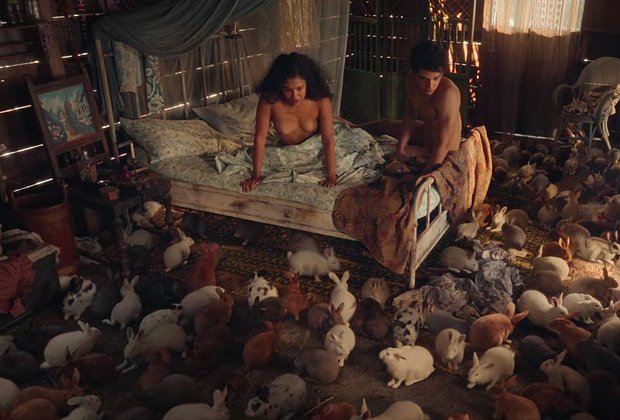
The town witnesses unusual events involving family members and residents. Aureliano Segundo, played by Thiago Suaza, and Petra, played by Ella Becerra, discover that their livestock multiplies at unnatural speeds after they have sex. Remedios, played by Kristal Aparicio, possesses beauty that causes men to fall dead at her glance. Colonel Aureliano Buendia, played by Claudio Catano, welcomes 17 sons born to different women, each arriving with an indelible ash cross on his forehead. Rebeca, played by Akima, lives forgotten in the family estate for 40 years, while time stops entirely in one room on a Monday morning in March. Founder Jose Arcadio, played by Diego Vasquez, leads the first settlers before his grandsons eventually chain him to a courtyard tree after he loses his sanity.
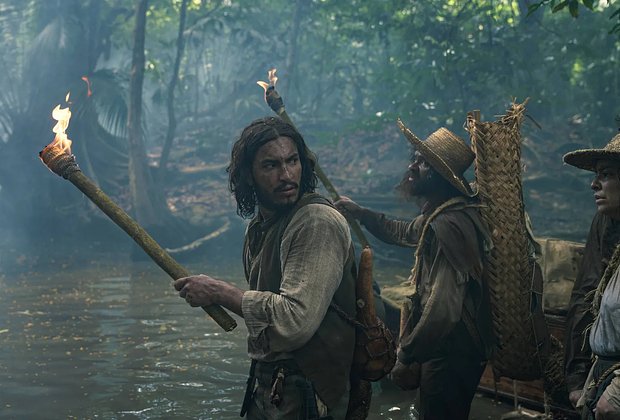
Magical Realism and Anti Colonial Themes
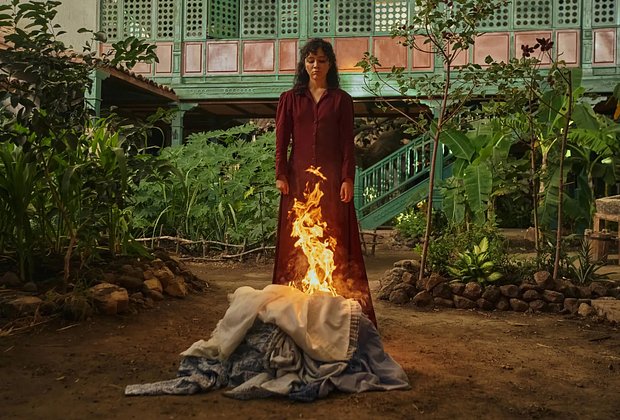
Magical realism has previously appeared in Western cinema through films like Magnolia, Being John Malkovich, and Pan's Labyrinth, as well as Afro-surrealist works such as Sorry to Bother You and Atlanta. In Latin America, the creative style carries anti-colonial themes, contrasting local miracles with cold European rationalism across a region marked by repeated historical conquests.
In Marquez's story, magical events initially blend into daily life in Macondo without alarming residents. As the city expands with the arrival of a railway and a multinational corporation, the miracles fade. Later events, including years of endless rain and a child born with a pig's tail, take on biblical overtones as the family history reflects the broader destiny of South America.
Scale and Colombian Production
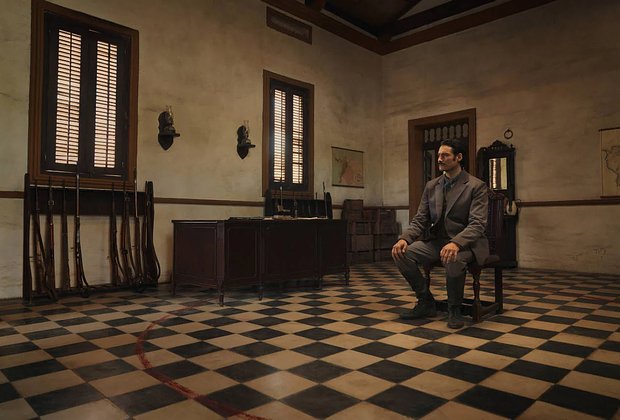
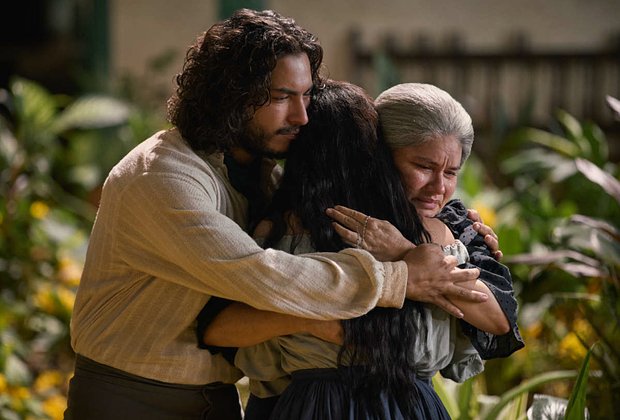
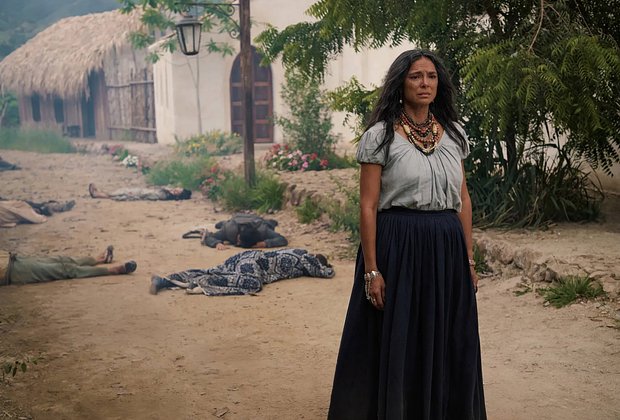
Production of the two season series took eight years to complete. Crews built a full scale city set covering more than half a square kilometer. The project involved a crew of over 1,000 people, 200 actors, and an estimated 20,000 background extras.
The project features camera work reminiscent of director Terrence Malick and cinematographer Emmanuel Lubezki. Made entirely by Colombian creators, the production features lead performances by Claudio Catano as Colonel Aureliano and Marleyda Soto as the matriarch Ursula.
The visual storytelling incorporates elements of television soap operas. While maintaining high production values, the narrative uses dramatic plot twists and explicit romance scenes. Marquez was himself a fan of telenovelas, embedding political metaphors within intense family drama.
Telenovela Format and Cultural Impact
The storyline spans seven generations marked by family conflict, infidelity, romance, and betrayal. These classic soap opera elements parallel the serial dramas that became popular in Russia following the fall of the Iron Curtain.
Latin American telenovelas first entered Soviet television in the late 1980s with the Brazilian series Slave Izaura. Following the collapse of the Soviet Union, series such as The Rich Also Cry, Wild Rose, Simply Maria, Santa Barbara, and Wild Angel reached wide audiences, influencing post-Soviet culture and screen media. Simply Maria also entered the literary canon through author Victor Pelevin.