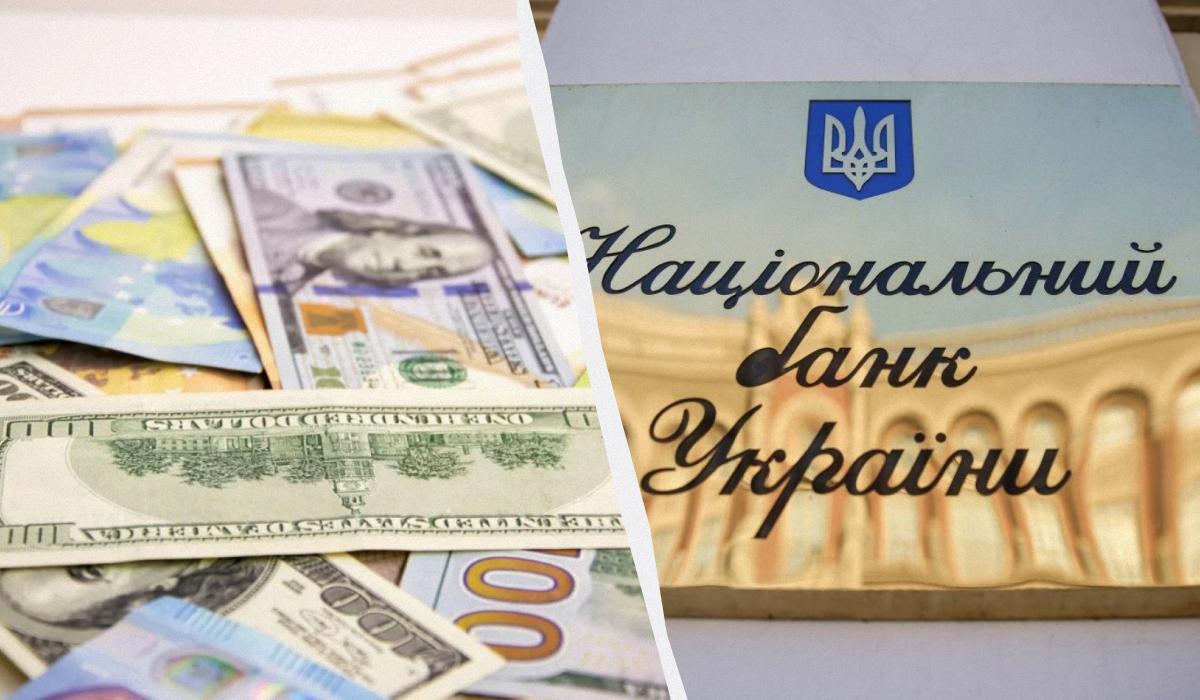
The National Bank of Ukraine raised its key policy rate by half a percentage point to 15.5% per annum on July 30 to stop accelerating inflation and maintain financial stability. NBU Governor Andriy Pyshnyy announced the decision during a press briefing.
The central bank explained that fundamental price pressure in Ukraine is continuously strengthening. This trend is driven mainly by increasing business costs, particularly for logistics, wages, and energy resources.
According to NBU estimates, consumer inflation growth resumed in July, while core inflation continued to rise. The central bank forecasts that consumer inflation will accelerate to 10% and core inflation will reach 9.2% by the end of 2026. This trajectory is expected to result from expanded fiscal incentives, further wage increases at enterprises, secondary effects from higher fuel prices, and the weakening of the hryvnia.
Inflation pressures and rate mechanism
The key policy rate serves as the primary indicator of the cost of money in Ukraine, determining interest rates for loans and deposits. Increasing the rate makes holding funds in hryvnia, through bank deposits or domestic government bonds known as OVDP, more profitable. The bank noted that this incentive encourages citizens to hold savings rather than spend immediately or purchase foreign currency, thereby supporting stability in the currency market.
The central bank stated that it is prepared to tighten interest rate policy further to curb price pressures. At the same time, the regulator promised to react flexibly to inflation dynamics and shifting risk distributions.
The NBU last adjusted the key rate in January 2026, when it reduced the rate from 15.5% to 15%. Monetary policy easing did not extend beyond that point.