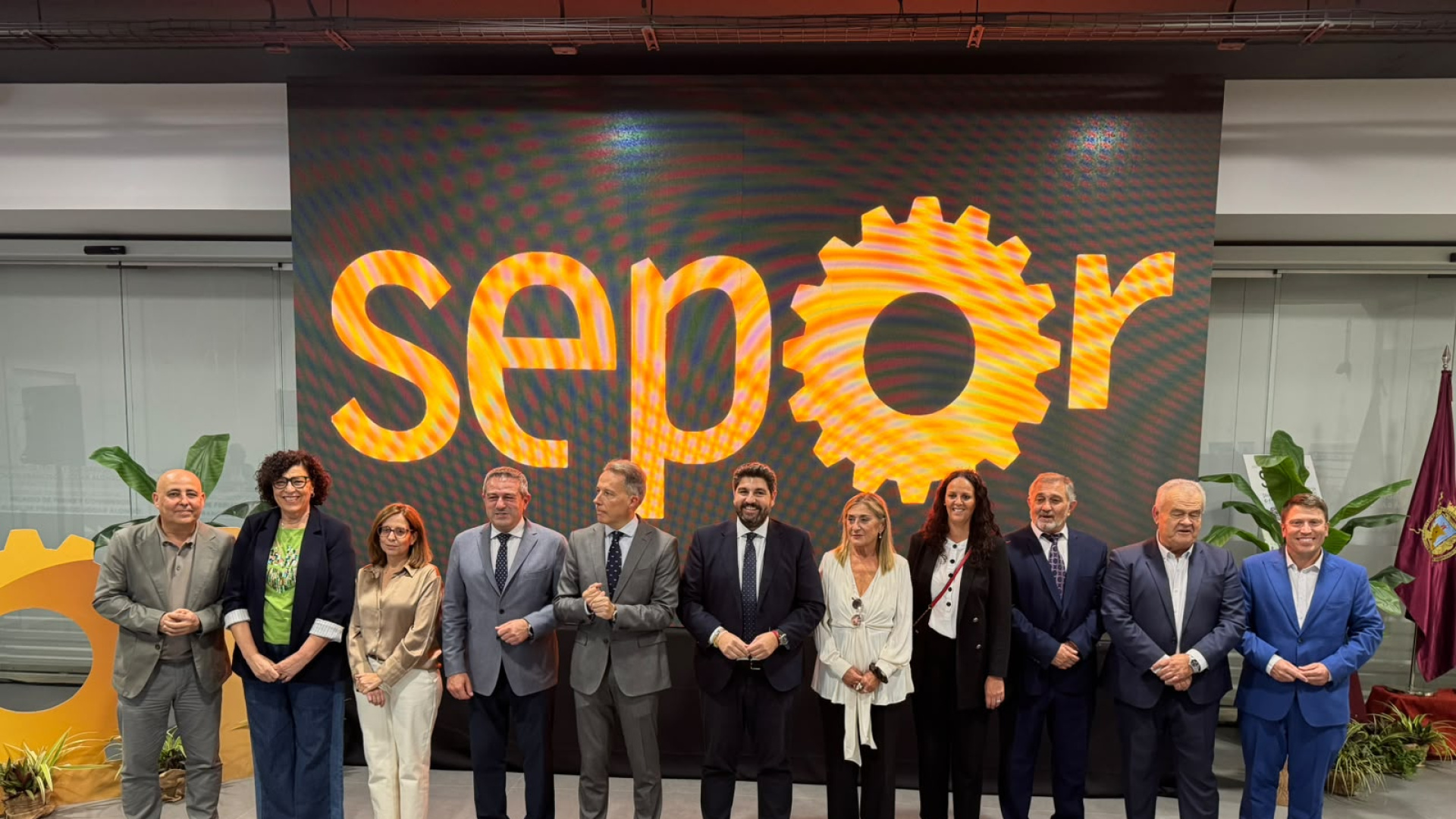
Livestock production in the Region of Murcia has reached a record total of more than 1.22 billion euros, regional president Fernando Lopez Miras confirmed at the opening of the Sepor agricultural fair in Lorca.
Speaking at the launch of the 59th edition of the livestock, industrial, and agro-food fair, Lopez Miras said regional meat production exceeded 530,000 tonnes in 2025. That volume represents a 19 percent increase compared with 2024 and a 31 percent rise over production levels recorded in 2019.
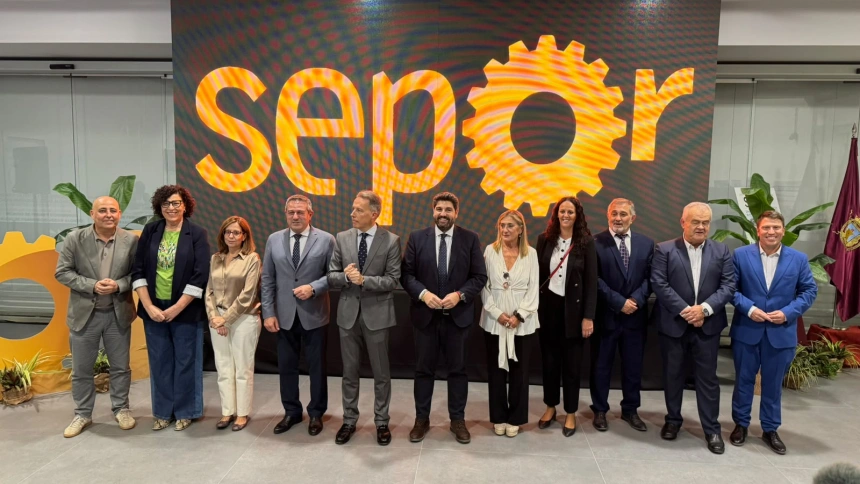
Lopez Miras said the record performance establishes livestock farming as one of the primary and most competitive economic drivers in Murcia. He pledged that his administration would continue to promote, support, and protect livestock producers, contrasting his government's stance with other political factions that he said continually demonise and attack the sector.
The regional president also defended livestock farming in Murcia as an increasingly sustainable sector that actively invests in innovation, environmental sustainability, and scientific research. He added that the industry's modern practices and commitment to animal health would be showcased throughout the Lorca fair.
Regional funding and farm subsidies
Addressing public support for agricultural producers, Lopez Miras noted that around 500 livestock farmers across Murcia have already received more than 3.7 million euros this year in European Union aid through the Common Agricultural Policy. The regional government has also established dedicated funding lines exceeding 4.6 million euros to support extensive livestock farming operations and protect native animal breeds.
The regional executive has also doubled its direct financial assistance to livestock sanitary defence groups operating throughout Murcia. These local associations coordinate preventative healthcare, vaccination schedules, and disease surveillance among herds, serving as a frontline defence against infectious pathogens across the agricultural landscape.
The Common Agricultural Policy serves as the primary subsidy framework across the European Union, combining basic income support payments with environmental and rural development schemes. The European funding mechanism is designed to help farmers absorb volatile feed and energy costs while complying with statutory animal welfare standards and environmental regulations across member states.
Support for extensive farming and native breeds addresses specific structural challenges within the Spanish countryside. Unlike intensive livestock operations, extensive farming uses open pastureland to sustain native animal varieties, an approach that preserves indigenous genetic heritage, prevents rural depopulation, and clears combustible vegetation to help reduce wildfire hazards.
Attendance and scale at Sepor fair
The 59th edition of Sepor is being held under the slogan Where the Future is Born. Organisers expect more than 85,000 people to attend the event, which brings together 130 exhibitors, 150 collaborating institutions, and 500 commercial companies and agricultural brands.
The regional government of Murcia is supporting the trade fair with a direct subsidy of 20,000 euros. Regional authorities have also installed a dedicated institutional pavilion at the venue to display technical innovations, highlight animal health initiatives, and promote regional meat products to domestic and international commercial buyers.
Lorca has long served as a major agricultural and livestock capital within the Guadalentin valley of Murcia, concentrating substantial pork and cattle production. First held in 1968, Sepor has developed into Spain's longest-running and most influential industrial trade fair for the swine, cattle, and agro-food sectors, providing a venue for commercial trade agreements and technical exchanges.
International pig farming symposium
The scientific core of the Lorca gathering is the International Pig Farming Symposium, widely recognised as Spain's leading technical forum for the pork industry. The symposium convenes national and international veterinary specialists, geneticists, and agricultural researchers to debate structural changes in production systems and address emerging industrial requirements.
Animal health and biosecurity represent the central focus of the symposium's technical sessions, with dedicated presentations on African swine fever and porcine reproductive and respiratory syndrome. African swine fever is a highly contagious, fatal viral disease affecting pigs that causes severe trade embargoes, while porcine reproductive and respiratory syndrome causes reproductive failure and chronic lung disease in commercial herds.
Specialists at the symposium are also examining genetic editing technologies, automated digital farm systems, custom autogenous vaccines, and precision nutritional strategies. These modern husbandry practices aim to improve feed conversion efficiency and animal resilience while minimizing preventative antibiotic use in accordance with European veterinary directives.
Biosecurity protocols carry particular economic significance for Spain, which stands as the largest pork producer in the European Union and one of the world's leading exporters of pork products. Protecting commercial operations from infectious diseases is essential to maintaining export trade flows and safeguarding national veterinary standing in international markets.
Tribute to Angel Faz and event schedule
This year's edition of the fair includes a posthumous tribute to Professor Angel Faz, a prominent scientist and researcher at the Polytechnic University of Cartagena who died in September. Organisers will formally honour his scientific contributions, highlighting his pioneering investigations into circular economic models, soil preservation, and the sustainable management of livestock slurry.
The Polytechnic University of Cartagena is a public technical university in Murcia known for its engineering and agronomic research programs. Research into livestock slurry, or animal manure, is critical across Mediterranean farming basins, where sustainable treatment methods prevent nitrate runoff into local soils and water tables while generating organic fertilizers and renewable biogas.
In addition to the swine symposium, the Sepor event schedule features a national beef cattle conference, an avian sector monograph, a specialized session on sheep and goat farming, and workshops dedicated to the promotion and commercialization of native breeds.