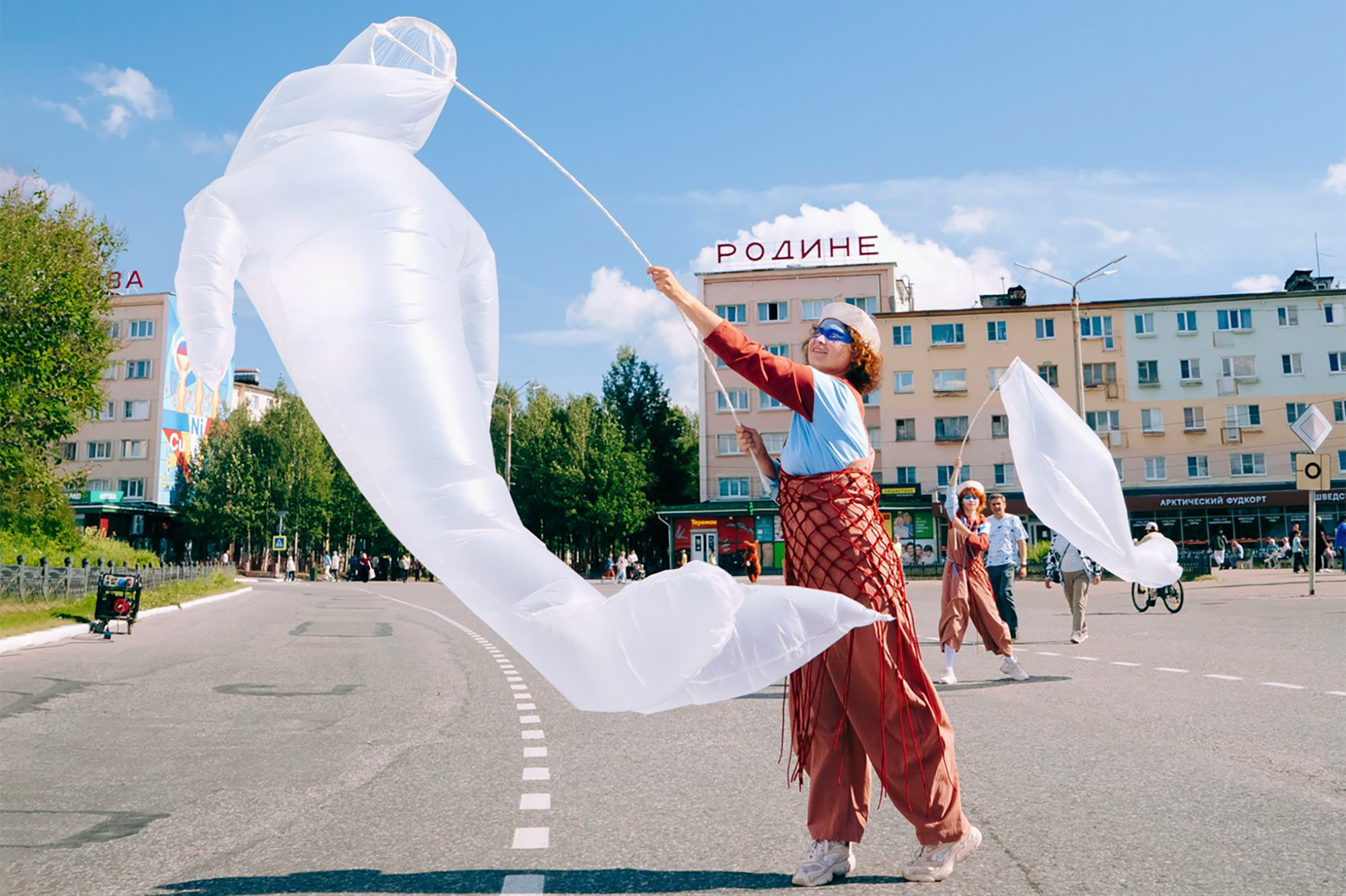
More than 10,000 people, roughly one in four residents, attended this year's Taburetka festival in Monchegorsk, a city on the Kola Peninsula north of the Arctic Circle. The event brings poets, artists, musicians and craftspeople to a region built around the Kola MMC metals plant.
A young city with a hard history
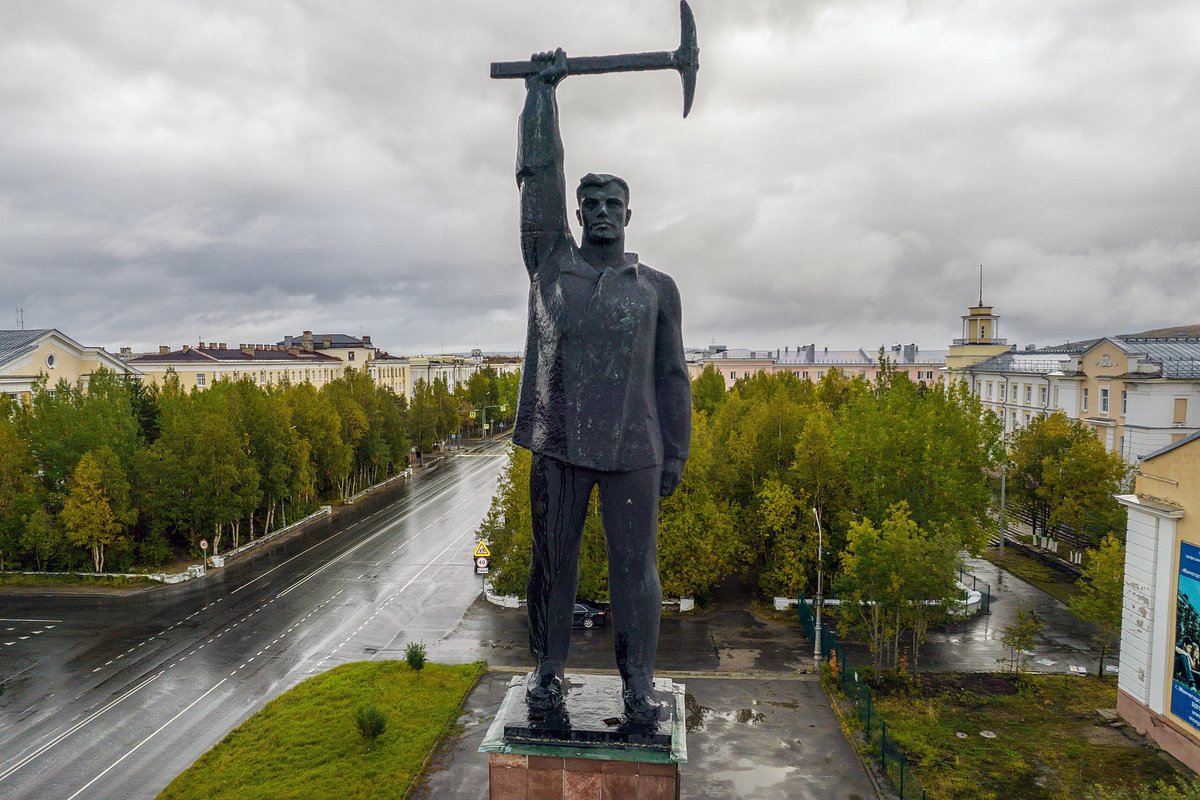
Monchegorsk is not yet 100 years old. Soviet geologists discovered large copper-nickel ore deposits in the area in the early 1930s, and the settlement of Moncha-Guba grew rapidly into the workers' settlement of Monchegorsk in 1935. Housing went up so fast around the Severonikel plant that the settlement was officially made a city in September 1937.
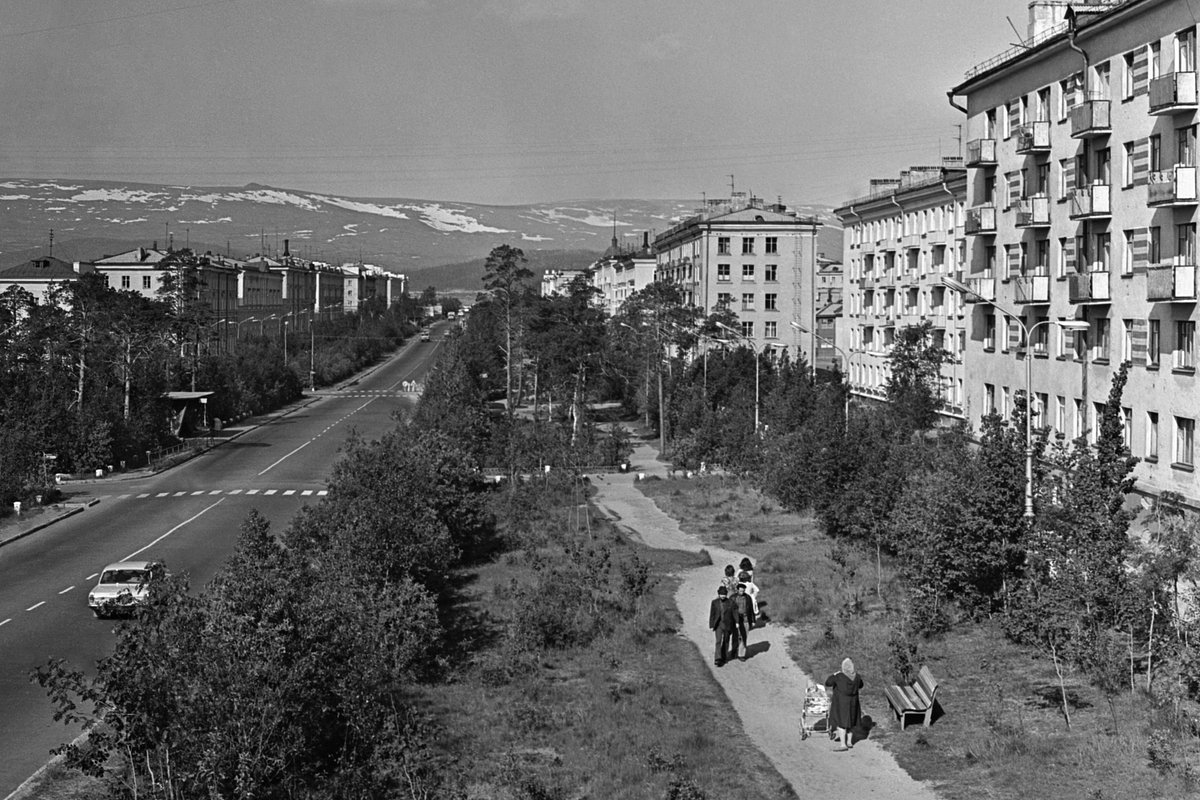
The city's early history was also shaped by forced labor. In 1935 the Belomorkanal administration, known as Belbaltlag, sent 2,500 prisoners and special settlers to the construction site, with plans to raise that number to 10,000. They built housing, industrial facilities and the Olenya-Moncha railway branch, and by 1940 roughly 6,500 prisoners were working at Severonikel enterprises. After World War II, German prisoners of war helped rebuild the damaged city.
Sami roots preserved
Before Soviet geologists and builders arrived, the land had for centuries belonged to the Sami, the indigenous people of the Kola Peninsula. Written sources describe the Moncha-Guba area as land belonging to the Sami Ekostrovsky pogost, where Sami communities lived a semi-nomadic life herding reindeer, fishing and hunting.
Industrial development led to cooperation rather than conflict, according to the report. Local residents, including a man named Kalina Ivanovich Arkhipov and his sons, served as guides for Soviet scientific expeditions led by academician Alexander Fersman in the 1920s. About 60 Sami people live in Monchegorsk today, and many other local residents have some degree of blood relation to them. The region works to preserve Sami language, traditions and culture through holidays and books of Sami legends.
From a concrete stool to an arts festival
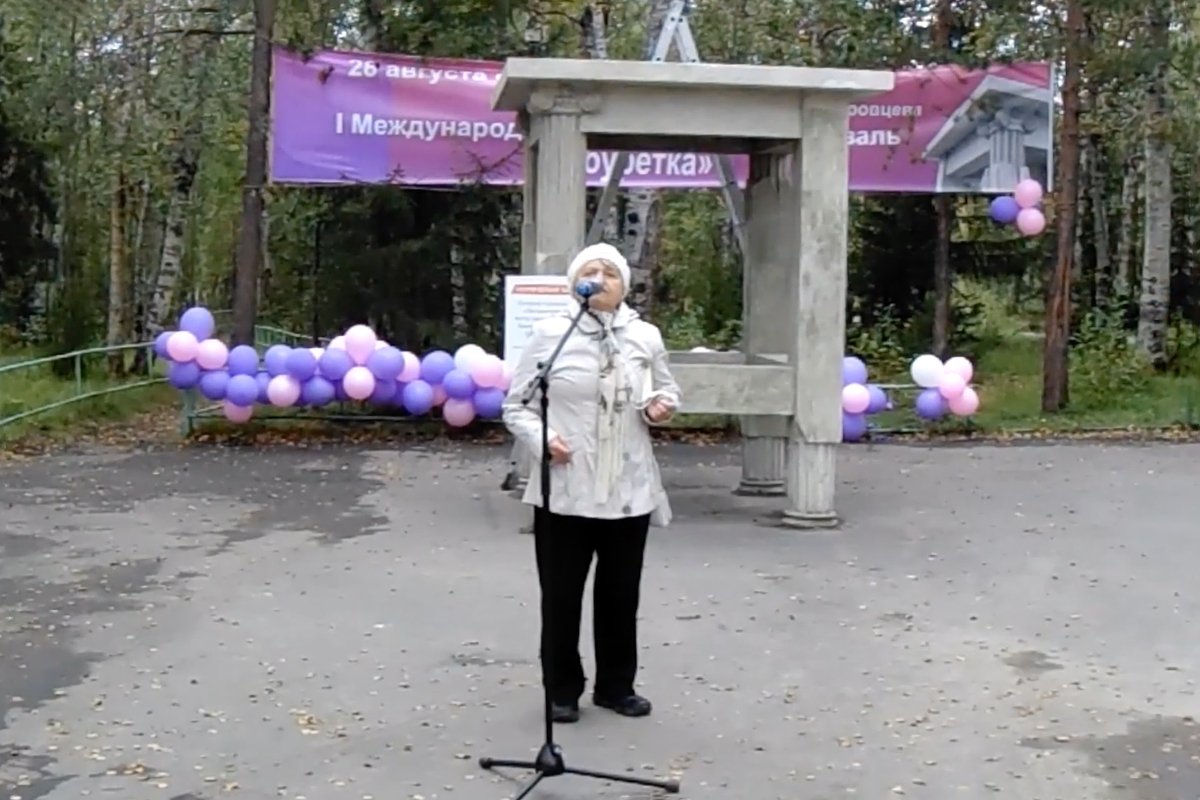
Taburetka, which means "stool" in Russian, grew out of an unusual monument. In 2015, as part of the "Literary Trace" contest backed by the Zhivaya Klassika foundation and the company Nornickel, a three-meter concrete stool was installed in the central Sergei Brovtsev park. The object was meant to symbolize the kitchen stool many people stand on for their first public performance.
Residents began gathering at the stool to read poetry, and the idea for a literary festival followed. The first festival took place in August 2017 as the International Poetry Festival Taburetka. It later expanded from a purely literary event into an arts festival combining music, theater, film, crafts and contemporary art.
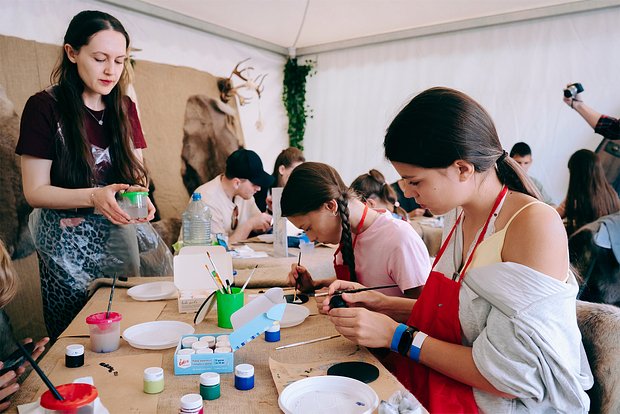
A record turnout in 2026
Each year the festival adopts a new theme. In 2025 it was "Family," and for its tenth anniversary in 2026 it was "Six Senses of the North," letting visitors see, smell, hear and taste the Arctic region.
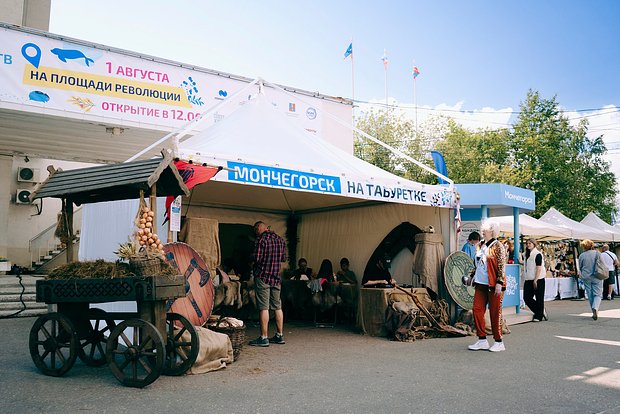
City head Andrei Rudakov and deputy regional culture minister Yulia Gladina said the festival had become, over ten years, a symbol of northern energy and a place for people to discover their talents.
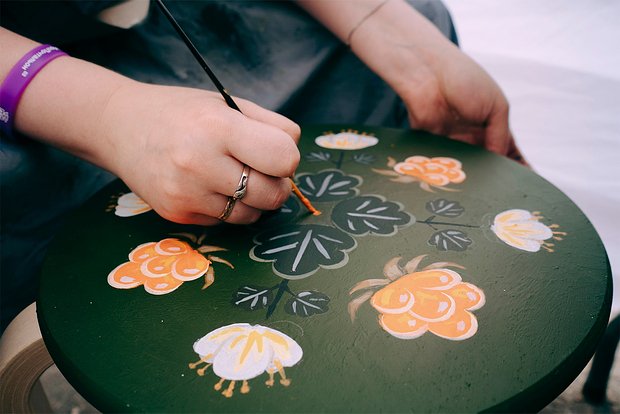
Art, workshops and performances
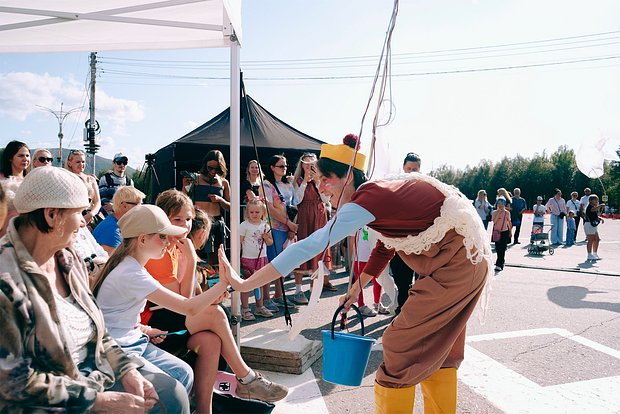
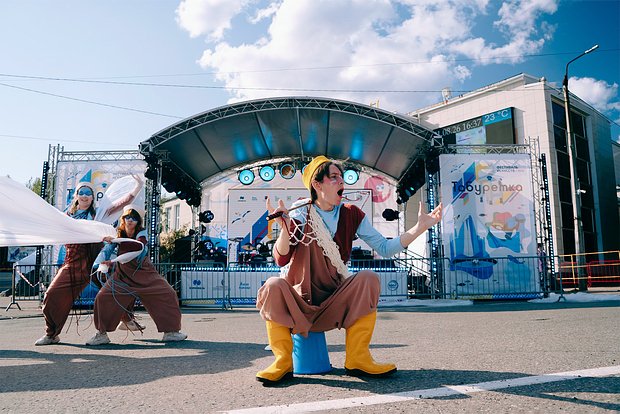
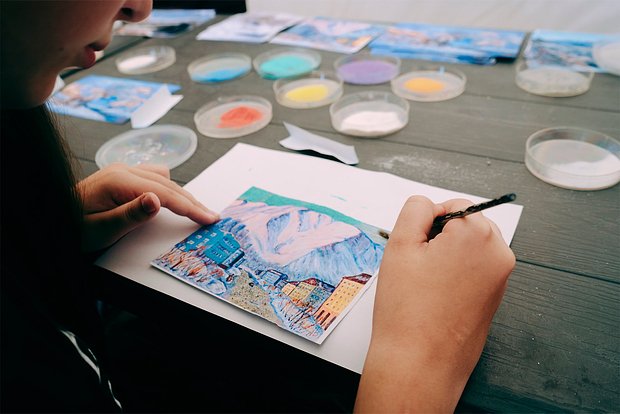
Involving residents in creating art was central to this year's program. A travel laboratory turned sounds of the North sent in by residents into a meditative melody, while artist Irina Ivannikova-Davydova invited visitors to assemble an edible puzzle out of caramel. Under designer Olga Timkina, participants built a collective textile panel called "Faces of the North" featuring self-portraits in different styles.
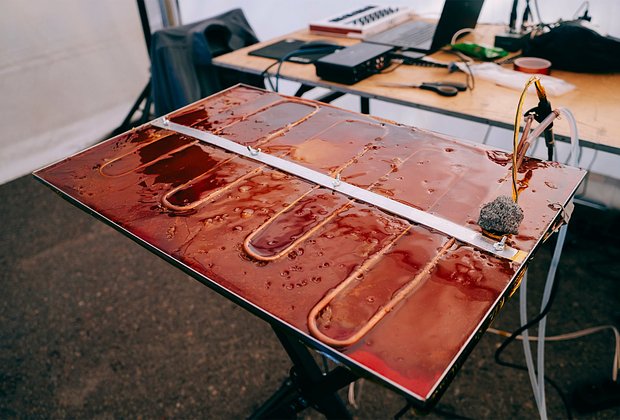
Guests also painted the art object "Bathing of the Red Elk" with northern patterns and learned to compose perfumes from Kola Peninsula scents with perfumer Marianna Penkova.
Record stool and other highlights
The festival set a record by painting its 1,000th stool, decorated with gold cloudberries. As part of a charity drive, participants knitted 90 meters of warm scarves for people supported by a social rehabilitation center. A film lab screened the pilot of a documentary called "Eternal Warmth," and at venues across 13 of the Murmansk region's 17 municipalities, guests learned about Sami and Komi-Izhem culture, listened to the jaw harp, read local authors and posed at unusual photo spots. The day closed with a concert by rapper Antokha MC, who performed a new song written specially for the festival.
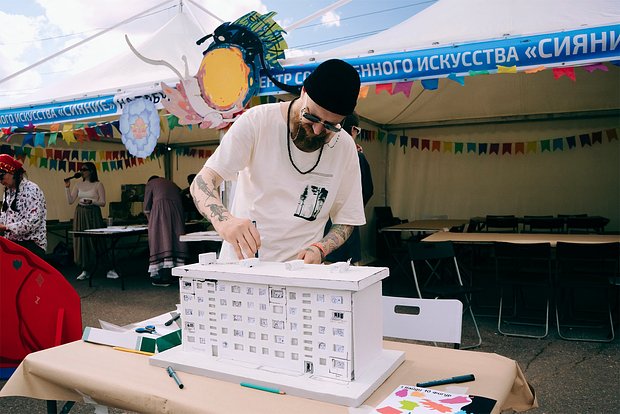
Marina Smirnova, president of the Zhivaya Klassika foundation, said one of the festival's main goals was to inspire people in the North, introduce them to new pursuits, help them discover a creative side and find a hobby to see them through the long northern winters.

Beyond the festival: sport and cuisine
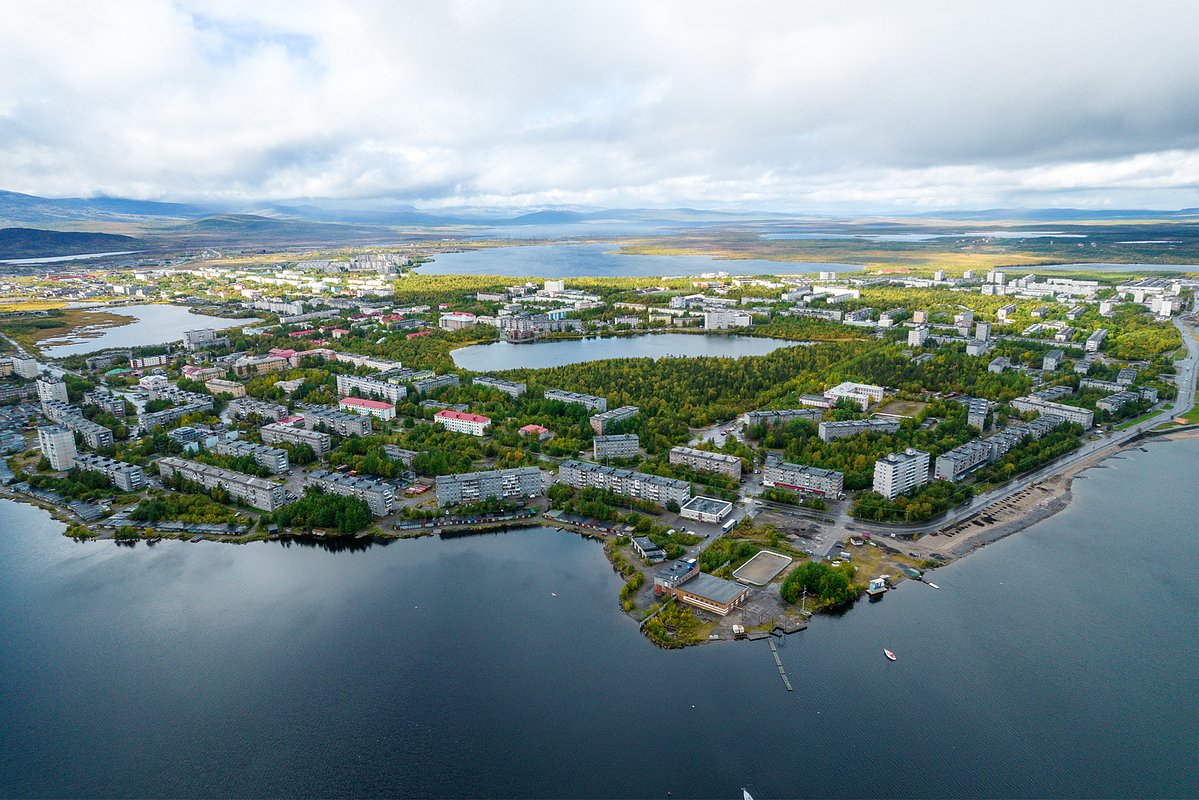
The region is also using sport, tourism and local food to soften its industrial image. The waters of Lake Imandra are well suited in summer for stand-up paddleboarding, kayaking, yachting and kite-surfing, and with good weather visitors can sometimes skip a wetsuit. Marked trails wind through the surrounding hills, offering views over the lake and tundra.
Local Imandra cuisine is another draw. Chef Vitaly Tikhonov developed the concept together with the Monchegorsk Development Agency, building menus around fish caught in Lake Imandra, including trout, whitefish, burbot, kumzha, smelt, char, pike and perch, along with cloudberries, blueberries, lingonberries, bilberries and other wild plants from the Monche tundra. Dishes include raw whitefish and trout with a cream and caviar sauce, and a dessert made with dried smelt.