

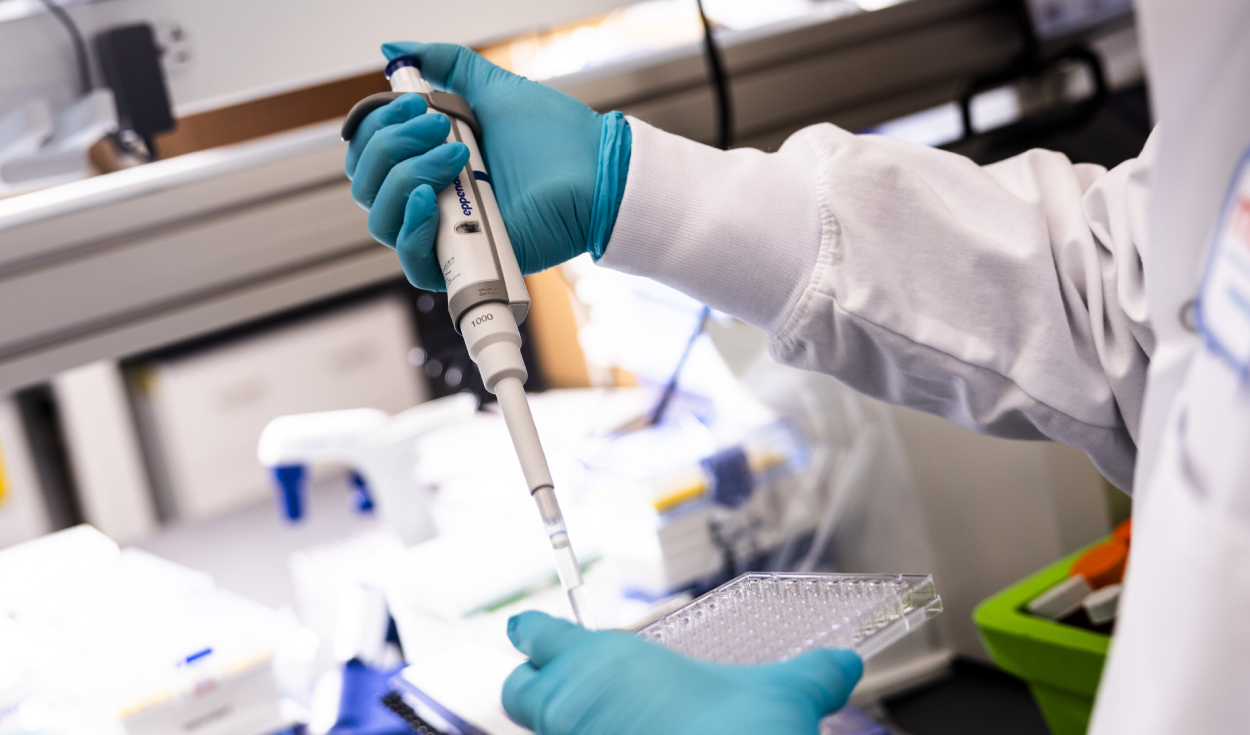
Pharmaceutical giants Moderna and Merck have announced positive preliminary results from a pivotal late-stage clinical trial for their experimental personalized skin cancer vaccine, bringing the companies closer to seeking regulatory approval for the therapy.
The messenger RNA vaccine, designated intismeran autogene, met its primary targets when administered in combination with Merck's established immunotherapy drug Keytruda. The Phase 3 study evaluated more than 1,100 patients diagnosed with advanced or high-risk melanoma whose detectable tumor tissue had been fully removed through surgery.
According to the companies, the combination therapy achieved its main objective by significantly extending the length of time patients remained disease-free compared to those treated with Keytruda alone. The trial also demonstrated that adding the custom vaccine reduced the risk of the melanoma recurring locally or spreading to distant organs across the body.
The findings build upon previous positive data from a Phase 2 trial testing the same therapeutic regimen, which previously demonstrated long-lasting clinical benefits over standalone Keytruda treatment. Speaking in an interview on CNBC's Squawk Box program, Moderna Chief Executive Stéphane Bancel said that the trial milestone represented an important moment for medicine and an important moment for patients.
Clinical trial progression and regulatory timeline
The ongoing Phase 3 trial will continue to monitor participants to assess additional clinical metrics, including whether the combination therapy provides an overall survival benefit. Moderna and Merck plan to present full detailed data from the trial at an upcoming international medical conference, although they have not yet specified an exact date for submitting a formal approval application to health authorities in the United States.
Dr Dean Li, president of Merck Research Laboratories, indicated that the drugmakers expect to open discussions with health regulatory agencies regarding the treatment and its safety profile within the coming months.
Melanoma accounts for approximately 1 percent of all skin cancer cases worldwide, yet it is responsible for a disproportionate number of skin cancer deaths due to its tendency to metastasize rapidly. Medical data shows that most melanoma recurrences take place within two to three years following initial surgical removal, making the prevention of microscopic lingering cancer cells from reforming tumors a primary goal for oncologists.
How the personalized vaccine targets cancer mutations
Dr Jane Healy, head of early oncology development at Merck, explained that melanoma patients are forced to deal with the heavy emotional weight of their diagnosis, undergo demanding treatments such as surgery, and subsequently live with persistent anxiety about their cancer returning. Healy described it as very encouraging that the combination treatment produced a clinically meaningful improvement compared to Keytruda while remaining well tolerated, noting that side effects were similar to those typically observed with conventional vaccines.
The treatment employs a customized approach tailored specifically to each individual tumor. Because every patient's cancer features a unique profile of genetic mutations even when sharing the same tumor type, the mRNA vaccine is engineered to identify specific alterations in the patient's cells and train the immune system to recognize and destroy them. Keytruda, an anti-PD-1 immunotherapy, is administered alongside the vaccine to enhance the immune system's overall ability to attack cancer cells effectively.
Healy stated that the companies view the Phase 3 results as highly significant for melanoma patients and as evidence of the broader potential this new therapeutic class could hold for patients fighting other forms of cancer in future trials. Successful results in melanoma are expected to accelerate research into mRNA vaccines for additional malignancies, with Merck and Moderna already conducting clinical trials targeting non-small cell lung cancer, bladder cancer, and renal cell carcinoma.



