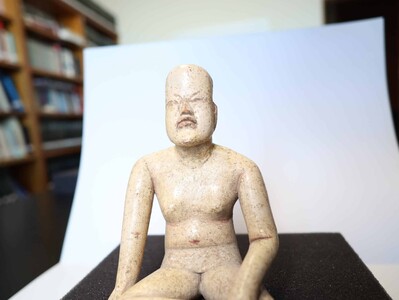
Mexico has secured the voluntary return of 1,132 pre-Hispanic archaeological artifacts through its Consulate General in Boston, officials announced on Monday.
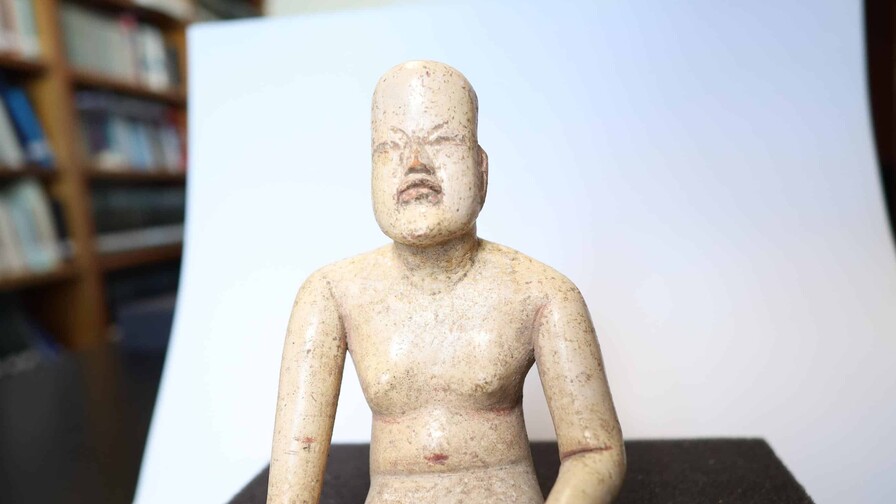
The Mexican Ministry of Foreign Affairs said that the handover was initiated by Jeremy Pilver, an archaeologist and high school teacher at Farmington High School in the United States. The return is part of a broader government initiative by the ministry and the Ministry of Culture, carried out through the National Institute of Anthropology and History, to recover Mexican historical, paleontological, and archaeological monuments located abroad.
Specialists from the National Institute of Anthropology and History conducted a formal evaluation of the items and concluded that the entire collection consists of pre-Hispanic archaeological goods that belong to the cultural heritage of Mexico. According to the institute's official report, the artifacts originated from southeastern Mexico, a region historically home to major Mesoamerican cultures.
Detailed Breakdown of Returned Artifacts
The recovered collection features a wide variety of ancient objects, ranging from household utensils to raw mineral materials. The bulk of the shipment consists of 1,053 ceramic sherds, which display smoothed, modeled, painted, and incised craftsmanship. Authorities noted that these pottery fragments were primarily produced for domestic everyday use.
The remaining items in the shipment include two complete spindle whorls, three fragments of wood, 18 figurine fragments, nine obsidian flakes, and 11 flint flakes. Specialists also identified one incomplete metamorphic rock plate, three rock polishers, one rock plate fragment, and a set of 36 shark teeth included alongside the archaeological objects.
![[object HTMLTextAreaElement]](https://resources.diariolibre.com/images/2026/08/18/bienes-recuperados-arqueologia-postphoto-2026-08-17-15-30-33-0e1898d8.jpg)
While experts described the timeframe of the artifacts as diverse, the ministry explained that archival documentation provided to the consulate by Pilver regarding the origin of the pieces will be utilized by researchers. Archaeologists plan to use these documents to establish precise dates and gather additional technical data to support future academic study.
Student Involvement and Diplomatic Coordination
Official statements highlighted the educational aspect of the recovery process, which spanned nearly two years before the artifacts were transferred to Mexican custody. During this period, more than 40 high school students worked directly with the collection under educational supervision.
The students participated in classifying, surface cleaning, and cataloging the pieces. They also created an inventory and a digital database, took photographic records, completed documentation, and carried out professional packing to prepare the collection for safe international shipment.
The diplomatic and logistics operation was coordinated by the Consulate General of Mexico in Boston. The consulate worked in close collaboration with the National Institute of Anthropology and History, the Ministry of Foreign Affairs, and regional academic institutions across New England.
Institutional Context and Cultural Preservation
The Secretariat of Foreign Relations functions as Mexico's ministry for foreign affairs, handling international agreements and managing diplomatic outposts such as consulates. The National Institute of Anthropology and History operates as the federal bureau charged with identifying, protecting, and conserving Mexico's heritage assets.
Mexico's consular network in the United States routinely coordinates with foreign institutions and private individuals to facilitate the voluntary repatriation of cultural property to Mexican territory.