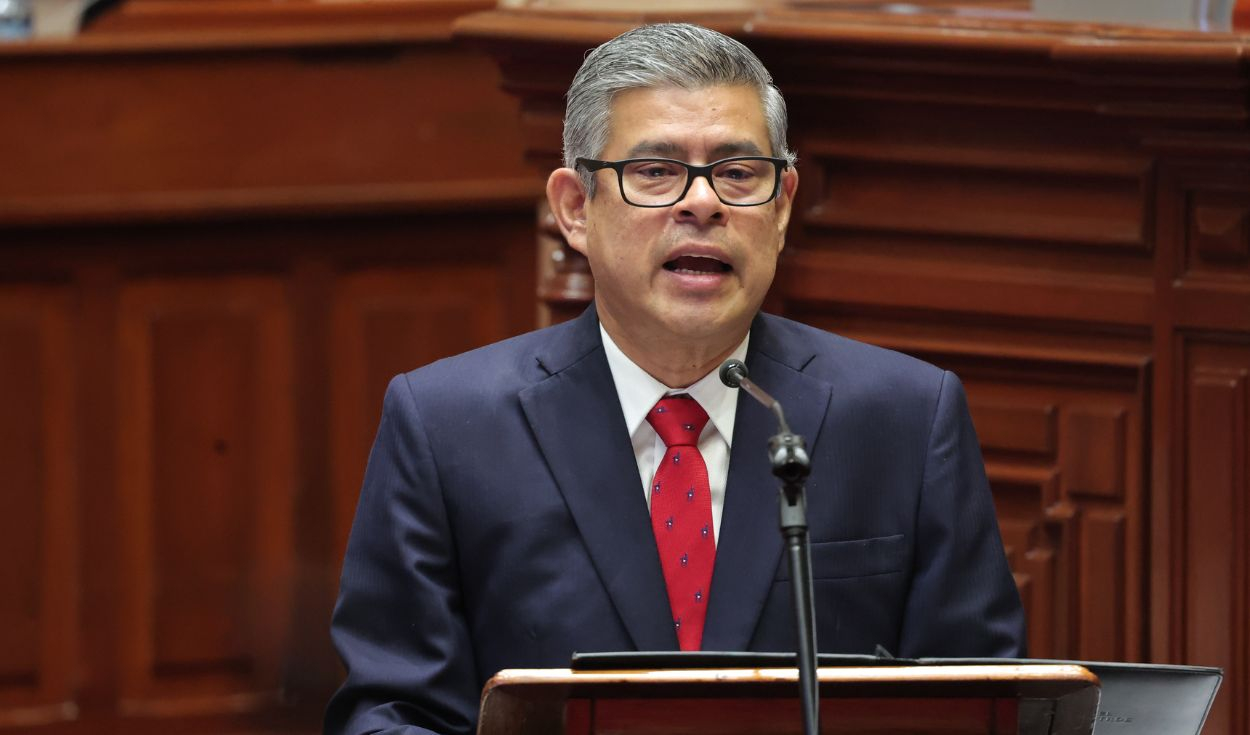
Peruvian Prime Minister Luis Galarreta confirmed on Thursday that the government will submit a bill requesting delegated legislative powers to Congress on Friday, August 28.
The proposal, approved by the Council of Ministers, comprises 66 distinct requests across multiple government sectors. Individual cabinet ministers are scheduled to appear before congressional committees to present and explain their respective sectoral proposals.
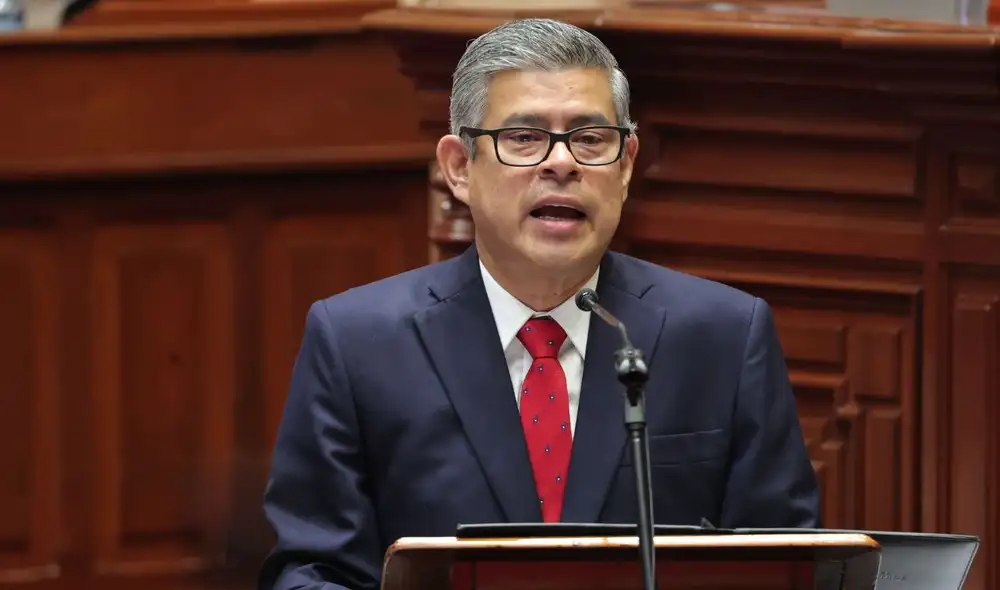
Galarreta said the cabinet conducted a thorough review of every regulatory request required by the ministries. He noted that the administration fulfilled President Keiko Fujimori's commitment in under 30 days, faster than the previous record of more than 40 days set by a previous government.
The legislative initiative was originally announced by Fujimori on July 28 during her presidential inauguration. If approved by lawmakers, the decree would grant the executive branch legislative authority for 120 days to address citizen security, combat criminality, encourage productive development, streamline administrative processes, and modernize state institutions.
Under Peruvian constitutional law, Congress can temporarily delegate its lawmaking powers to the executive branch for specific policy areas. This mechanism allows the president and cabinet to issue decree-laws directly, though Congress maintains authority to review or revise the resulting legislation.
Military Role in Prisons and Borders
Interior Minister César Astudillo outlined key security components contained within the 66-point package, highlighting a planned expansion of military duties. He said the bill includes provisions to strengthen the presence of the Armed Forces inside state penitentiaries and authorize military operations along national borders.
Astudillo noted that military personnel were already assisting the National Police of Peru with public security tasks and transport oversight. He explained that the upcoming delegation request specifically targets expanding military involvement to secure prisons and international border regions.
The Interior Ministry oversees the National Police of Peru, the principal civil law enforcement agency in the country. Peruvian armed forces are typically deployed for external defense, but governments have increasingly called upon military units to support police officers in addressing severe internal security challenges.
Interpellation Motion and Emergency Regime
Astudillo also addressed a pending interpellation motion being drafted against him by the Juntos por el Perú congressional bench. Lawmakers initiated the motion following his refusal to remove General Óscar Arriola from his position as chief of the National Police of Peru.
Responding to the congressional challenge, Astudillo said that such proceedings were simply part of the democratic process.
An interpellation is a parliamentary mechanism in Peru that allows legislative benches to summon cabinet ministers for formal questioning on the floor of Congress. Juntos por el Perú is a left-wing political coalition represented in the unicameral legislature.
In addition to the legislative request, Astudillo confirmed that the executive branch has extended the state of emergency in Lima and Callao for 60 days. The extension prolongs special security measures across the capital metropolitan area.
The current state of emergency was originally declared by former President José María Balcázar on June 25 for a period of 60 days to combat criminal activity. With that initial order set to expire on Friday, August 28, the cabinet approved the 60-day renewal to maintain operational continuity.
Lima, the national capital, and the neighboring constitutional province of Callao form Peru's primary urban area, holding approximately one-third of the nation's population. Emergency declarations in the region temporarily suspend certain constitutional protections, including freedom of assembly and inviolability of the home, enabling police to conduct targeted operations.