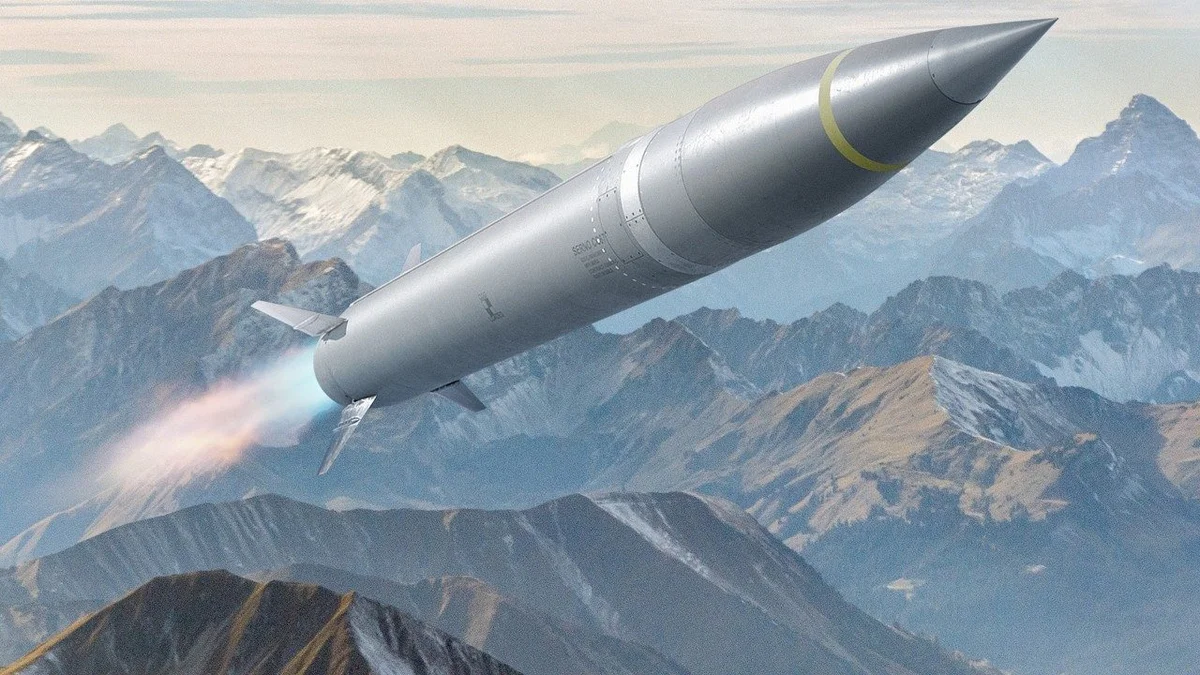
Lockheed Martin has announced a new milestone in the production of guided munitions for the United States armed forces, delivering the 100,000th rocket of its GMLRS (Guided Multiple Launch Rocket System) and pushing annual output to nearly 14,000 units.
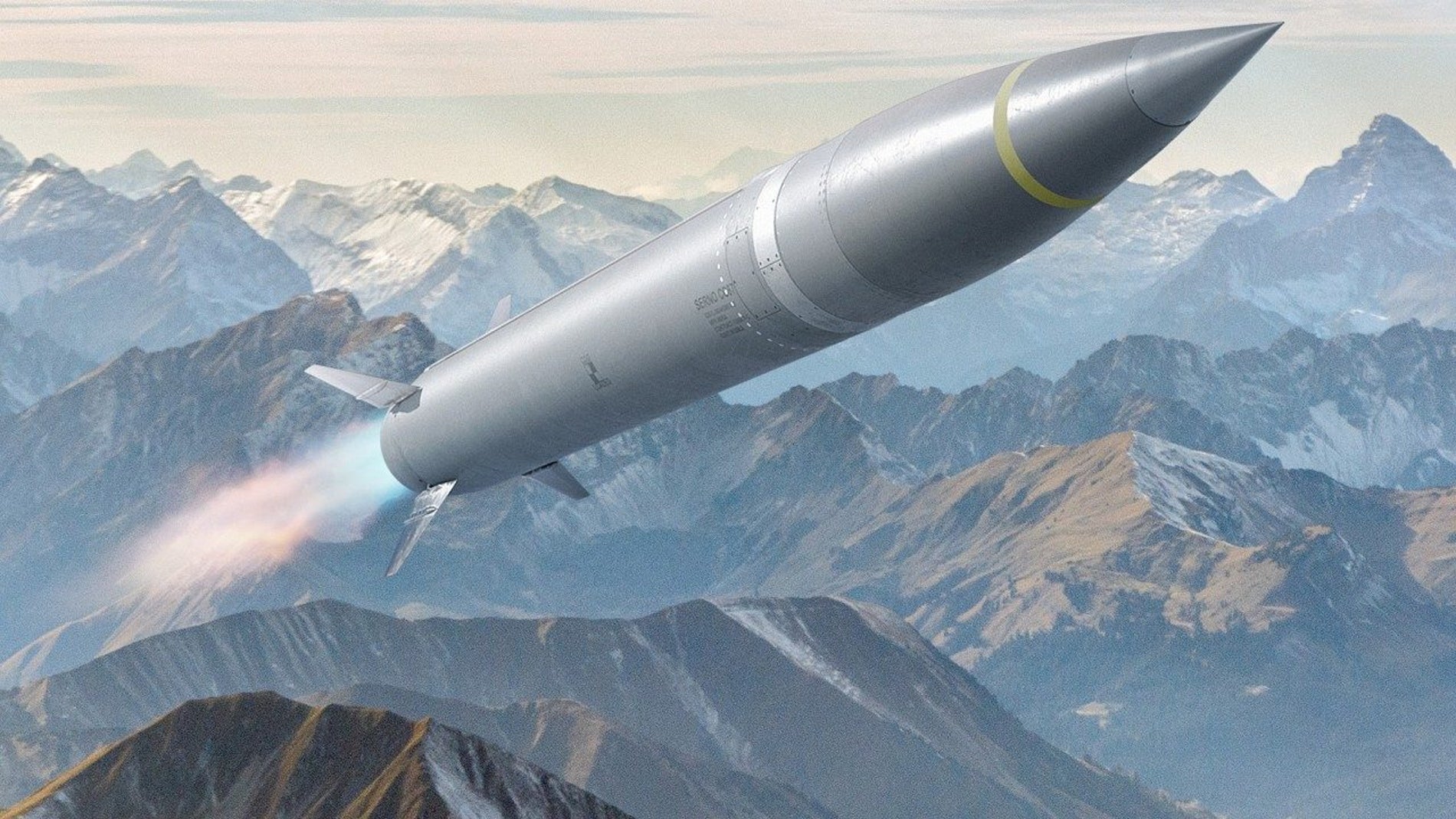
The company reached the production rate ahead of its original schedule, as part of a wider American effort to rebuild stockpiles of precision munitions.
The announcement was made on November 10, 2026, at Lockheed Martin's facility in Camden, Arkansas. At the event, the company also confirmed that a new solid-fuel engine developed jointly with General Dynamics Ordnance and Tactical Systems had completed its first test.
The effort is intended to secure the supply of one of the rocket's essential components and ease constraints in the industrial supply chain.
A guided rocket for HIMARS and M270
GMLRS is an artillery rocket guided by inertial navigation with GPS assistance. It is designed to strike ground targets beyond 70 kilometers in its standard versions. It can carry a unitary warhead for precise targets or an alternative configuration for use against targets spread across a wider area.
The system works with two launch platforms widely used by Western armies: the mobile M142 HIMARS launcher and the tracked M270 multiple launch system. Each HIMARS pod carries six rockets, while the M270 can carry twelve, split between two launch pods. That compatibility allows the same munition to be fired from different vehicles.
Lockheed Martin is also developing an extended-range version, the ER GMLRS, designed to reach roughly 150 kilometers. The variant uses a larger engine and an updated control system while remaining compatible with existing launchers.
More engines to boost production
The partnership with General Dynamics aims to strengthen the supply of solid-fuel engines. General Dynamics already helps produce other GMLRS components, including warheads, motor casings and launch containers. The newly tested engine unit marks a further step toward establishing a third domestic source of supply.
A successful first test does not mean the engine is ready for operational rockets. It still has to pass further testing and a qualification process, which is targeted for completion in 2027. Lockheed Martin has not said how much additional production capacity the new engine will allow once that process is finished.
Expanding the industrial base
The GMLRS program draws on more than 200 suppliers spread across 35 U.S. states, including over 50 small businesses. More than 200 people work on production at the Camden plant.
Lockheed Martin plans to expand the total workforce at the facility by 50 percent to also support other munitions programs, including the PAC-3 MSE interceptor and the Precision Strike Missile, known as PrSM.
The delivery of the 100,000th unit and the faster production pace reflect the importance Washington places on securing the supply of precision munitions and strengthening its defense industrial base.