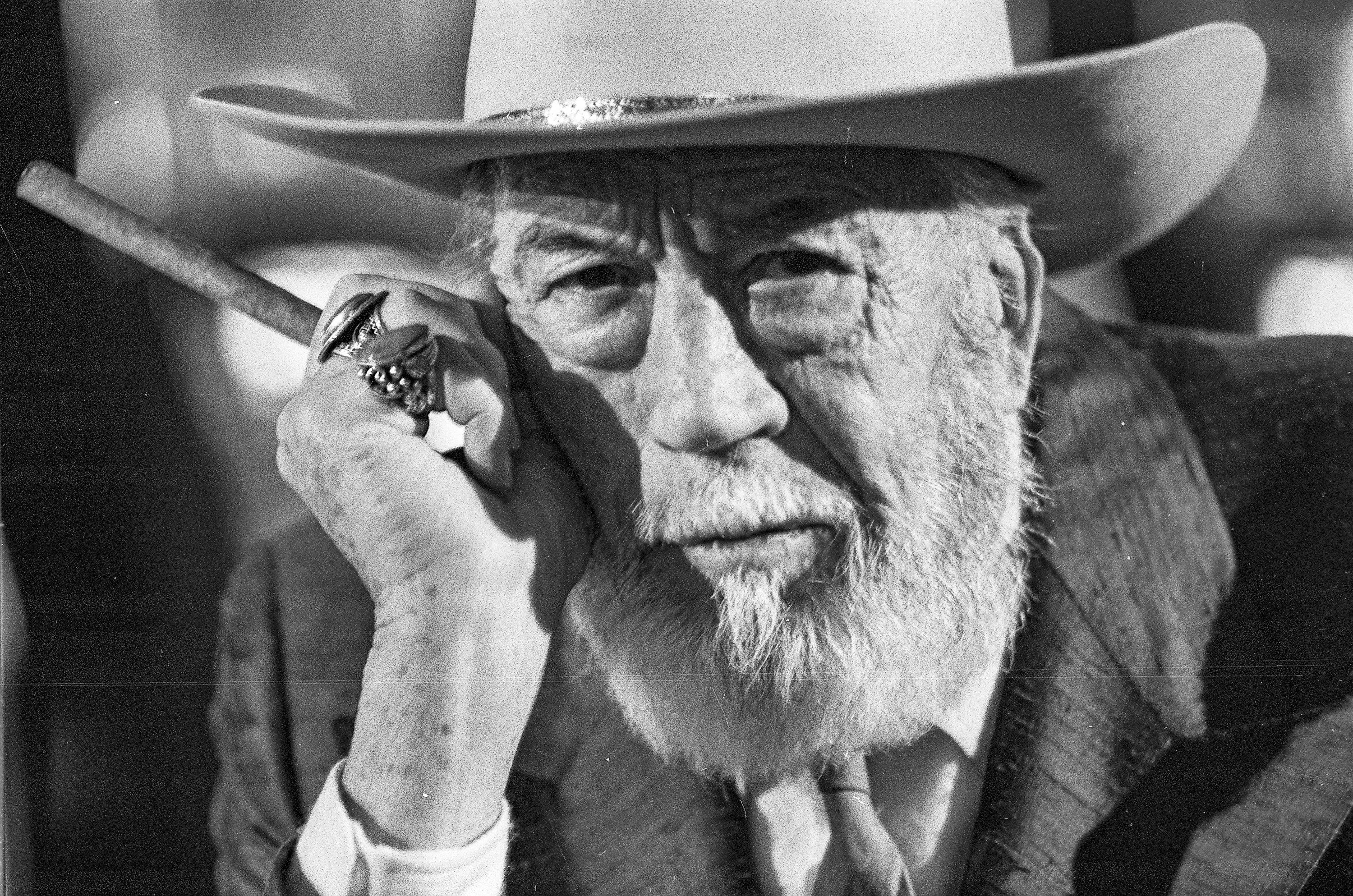
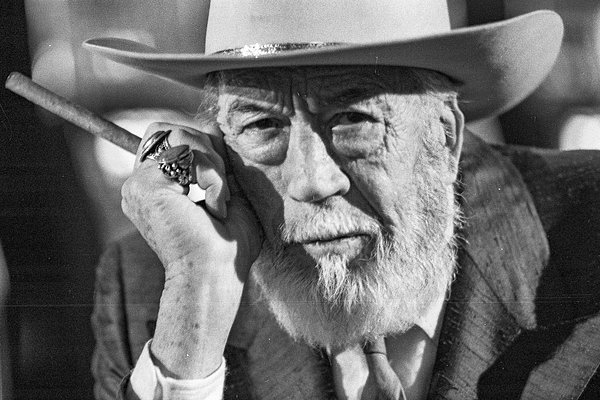
John Huston, director of The Maltese Falcon, The Treasure of the Sierra Madre and Fat City, would have turned 120 on August 5, 2026. His career tracked the golden age of Hollywood, but Huston was above all an adventurer, traveling the world, boxing competitively, romancing women and once running journalists out of his Mexican retreat.
In September 1963, cast and crew of The Night of the Iguana arrived at the Mexican resort of Puerto Vallarta, filming for 72 days in the nearby village of Mismaloya. At one point Huston gave each actor, including Richard Burton and Ava Gardner, a small single-shot derringer pistol and bullets engraved with their co-stars' names. The joke defused tension on a shoot that had left the isolated cast on edge, and the film wrapped without incident. Huston liked the local fishing enough to buy a house eight miles from Mismaloya.
From boxer to director
Discussion of Huston's filmography usually starts with his directing debut, The Maltese Falcon, a film noir steeped in the smoky atmosphere Huston knew firsthand. By 35 he had been a professional boxer, a stable hand and, after a fatal car accident, briefly a fugitive from the United States. He returned able to say, truthfully, that he had studied painting in Paris. He always sketched key scenes himself and arrived at the Falcon set with a finished storyboard, saying he wanted to show he knew what he was doing.
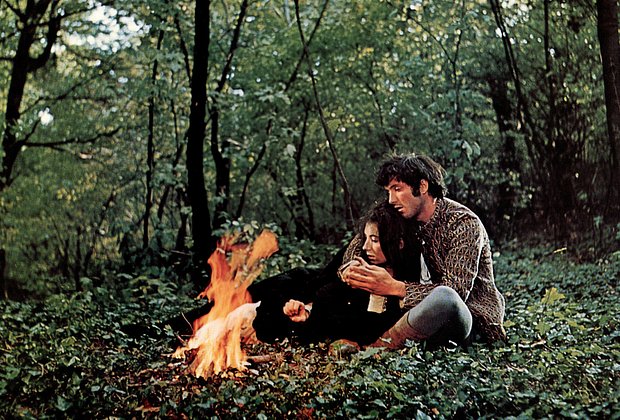
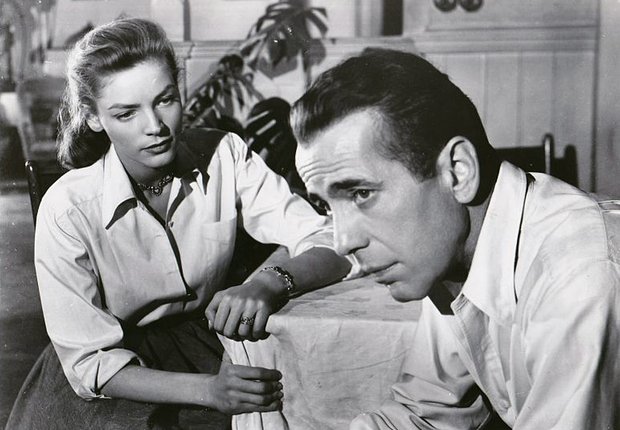
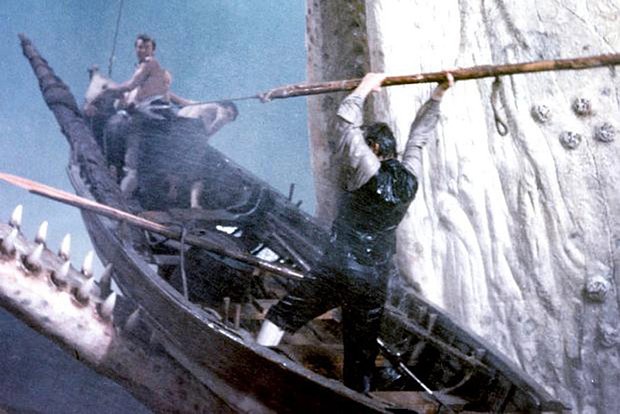
According to a widely repeated account, Huston became a director because he no longer wanted to watch other people mangle his scripts. By the 1940s, the son of actor Walter Huston had worked as a screenwriter, notably on High Sierra, Raoul Walsh's noir about the robber Roy Earle. Roy was played by 42-year-old Humphrey Bogart, a Broadway veteran stuck in forgettable films like The Return of Doctor X.
Making Bogart a legend
High Sierra and The Maltese Falcon together turned Bogart into a Hollywood icon, with Huston, who liked to grab his star by his famous nose, as the icon's maker. His title as California's boxing champion meant Huston was forgiven a great deal, including his brawl with Errol Flynn at a party thrown by Gone with the Wind producer David Selznick on April 28, 1945. The two men fought for an hour, both ended up hospitalized, and left as friends. In 1958 Huston took Flynn to Africa to star in The Roots of Heaven, a film Huston later admitted was not much of a success.
Oscars and unrealized journeys
Huston made films partly for the chance to visit countries, he said, and Mexico's The Treasure of the Sierra Madre brought his family three Oscars: directing and screenwriting for John, and acting for his father Walter, whose role as the gold prospector Howard was written for him with a statuette in mind. Huston also traveled for work to Africa, Japan, France and Britain. Neither he nor his producers found a way to shoot Moscow scenes for The Kremlin Letter, so Helsinki stood in instead, and a planned Dublin shoot for The Dead, based on James Joyce's novella, never happened.
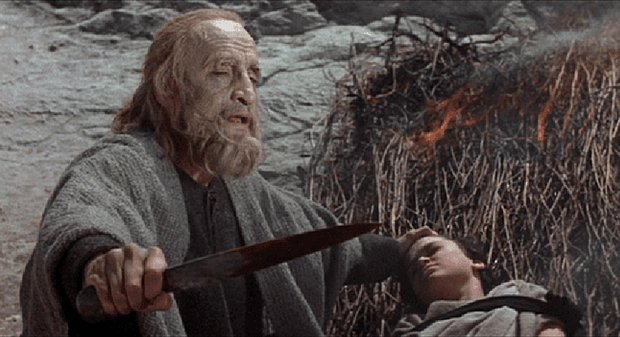
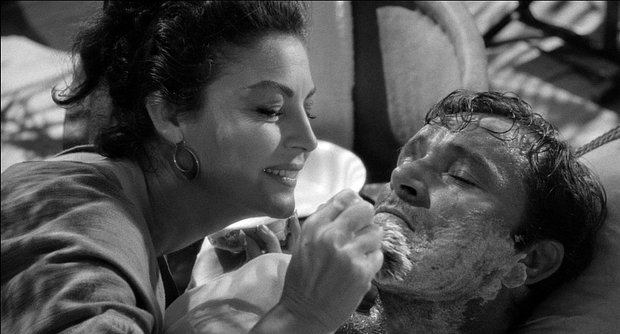
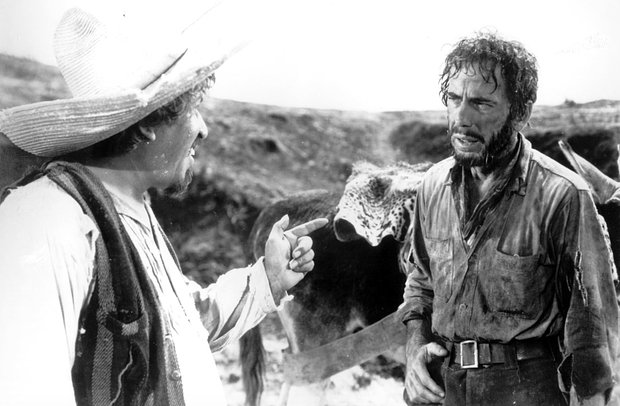
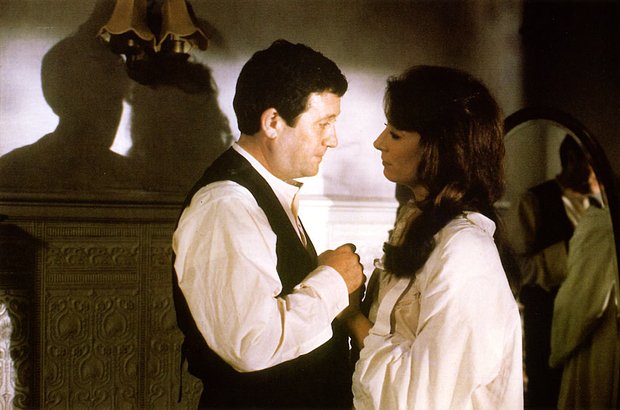
Huston died five days before the premiere of The Dead, a film about the idea that dying is not frightening, only sad.
Adventure without sentiment
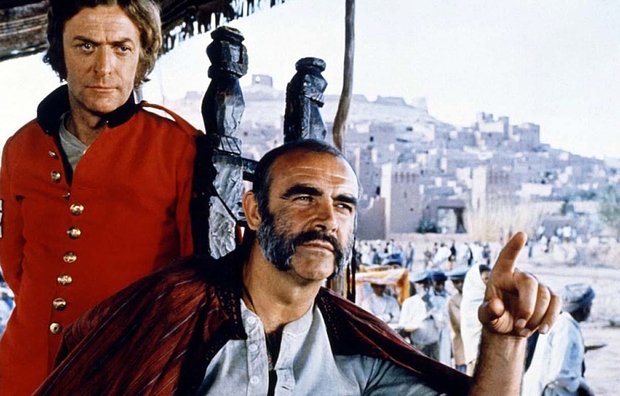
For Huston, death was just the end of an adventure, a theme he treated without sentimentality. Critics once accused him of lacking a consistent style, a complaint that now looks more like versatility; Huston said he did not know what a "Huston style" was and simply did what each film required. His films range from the espionage of The Kremlin Letter to the Old Testament drama of The Bible, the garrison noir of Reflections in a Golden Eye, the more classical Night of the Iguana, and from the fedora of The Maltese Falcon to the pith helmet of The Man Who Would Be King.
Reflections in a Golden Eye
Genre-defying films like Reflections in a Golden Eye show Huston at his sharpest. A cuckolded army major, played by Marlon Brando, is driven mad by jealousy while his wife, played by Elizabeth Taylor, sleeps around out of boredom, watched by a quiet, fetishistic soldier played by Robert Forster in the role that launched his career. Rather than a slow drama, Huston made a hundred-minute thriller, its characters already at a boiling point before the opening credits.
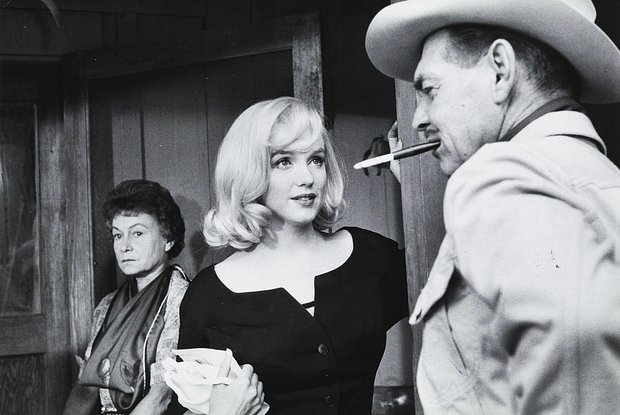
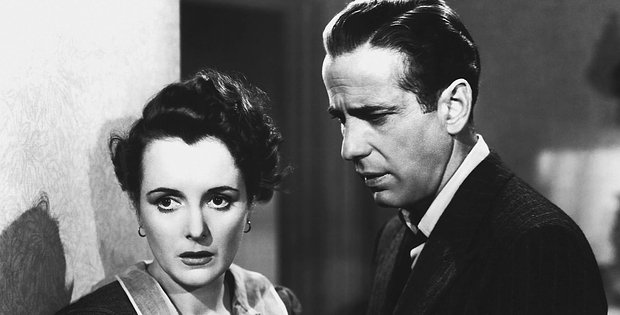
In one key scene, Brando's character rehearses expressions in front of a mirror in uniform, the kind of shot, a man alone with his reflection, Huston liked to film throughout his career. Huston said Brando could radiate real heat from the screen, as if a damper had been pulled from a burning stove, though he noted the flame was one of inevitable defeat rather than rage.
A director who knew actors
Married multiple times and known as difficult in his personal life, Huston mostly made films about men, casting only the best. As an actor's son, he considered his father Walter an unsurpassed performer who never tried to sell anyone anything. He had little patience for celebrity but praised professionalism generously, calling Clark Gable the only truly tough man in the business.
Huston described Jack Nicholson, for years the boyfriend of his daughter Anjelica, as a virtuoso and an excellent drinking companion, and called Albert Finney's performance in his late film Under the Volcano the best acting he had ever seen, saying he was proud to have directed it. Huston also discovered Bogart and gave Clark Gable and Marilyn Monroe fitting final roles in The Misfits, a film that later lent its name to the band the Misfits.
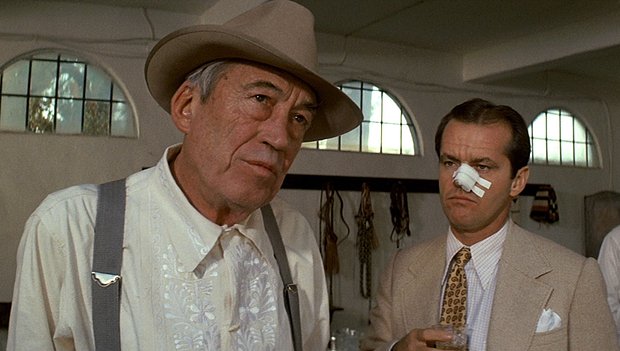
In the second half of his life Huston acted extensively himself, matching Brando's screen presence, and his role in Otto Preminger's The Cardinal earned him a Golden Globe and an Oscar nomination. His gangster Noah Cross in Roman Polanski's Chinatown echoes his father Walter's laughter in the climactic scene of The Treasure of the Sierra Madre, the scene for which Walter won his Oscar.
Without Huston's films, the antiheroes of modern television might look far simpler, and one can imagine how Bogart or Richard Burton might have played characters like Walter White or Don Draper. The freshness of the approach that upended Hollywood filmmaking may now be easiest to sense in a museum, yet Huston's films still feel modern, often livelier than more elaborate productions today. His characters, unlike today's antiheroes, strike audiences with a humanity that insists on the last word, leaving behind a wise, crooked smile.