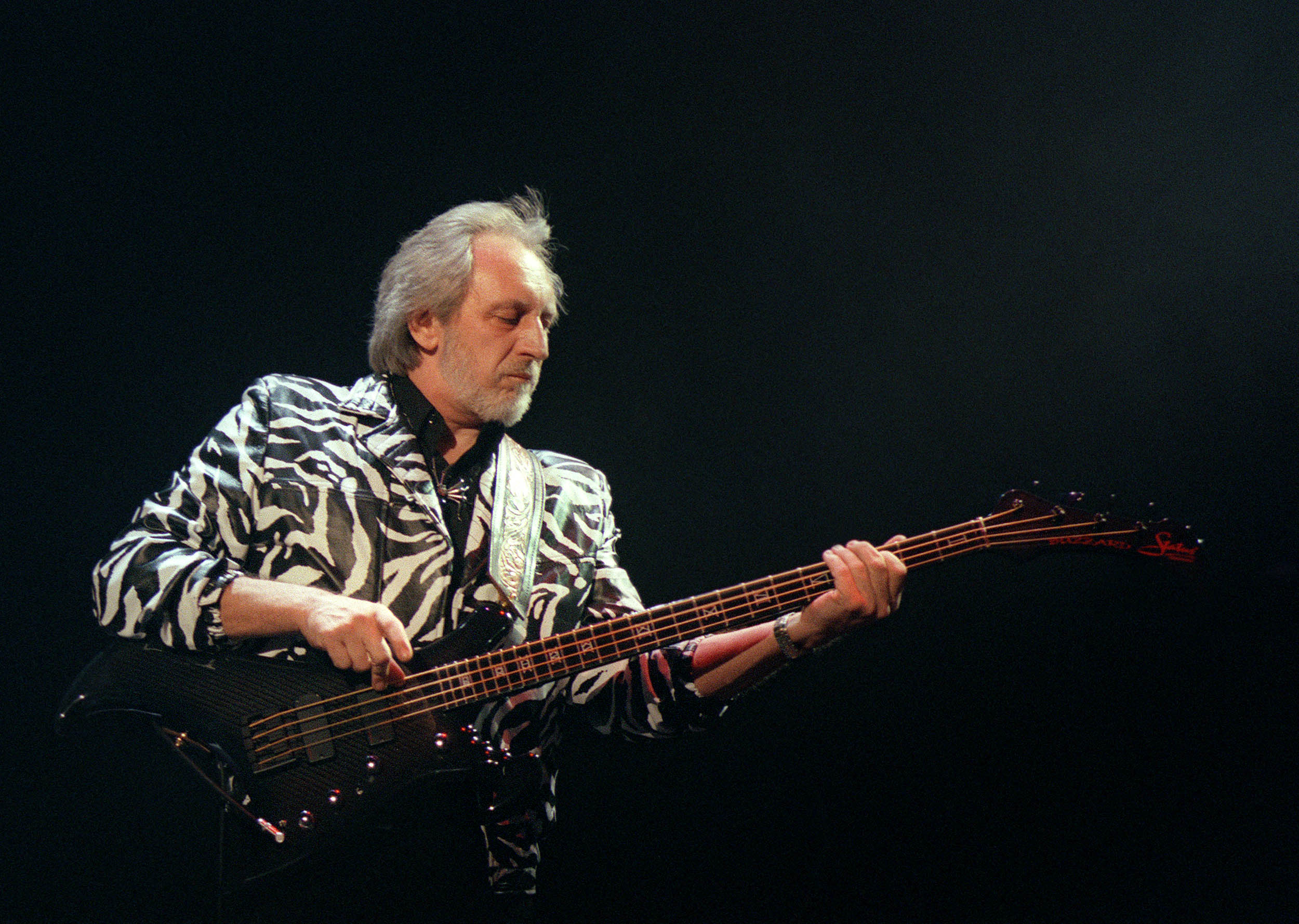
Music writer Gabriel Ruiz Ortega has highlighted the enduring artistic legacy of late British musician John Entwistle, pointing to his track My Wife on the 1971 album Who's Next as one of the most underrated songs in the discography of The Who.
Ruiz Ortega noted that Entwistle, who died in 2002 at the age of 57 following a cocaine overdose, remains widely regarded by specialists and fellow musicians as the greatest bassist in rock history. Known to fans and bandmates by the nickname The Ox, Entwistle served as the foundational rhythm section and emotional balance for the iconic English group throughout their peak years.

Reflecting on the group's work during a period of electoral turmoil, Ruiz Ortega wrote that the musical quality of The Who was beyond debate. He described their lyrical poetry as a refuge in modern times marked by poor taste and hasty opinions, selecting Entwistle as the member who inspired his deepest admiration and sympathy.
While 20th-century popular music produced several legendary bass players, Ruiz Ortega argued that Entwistle commands the strongest consensus among critics and performers. He emphasized that despite standing alongside extraordinary peers across multiple genres, Entwistle uniquely transformed the role of the bass guitar in rock performance.
A Legacy Built on Bass and Balance
The nickname The Ox was given to Entwistle by his bandmates due to his calm, quiet, and motionless stage presence, which stood in stark contrast to the energetic performance styles of lead singer Roger Daltrey, guitarist Pete Townshend, and drummer Keith Moon. The moniker also reflected his sturdy physical build and his legendary endurance during long nights of partying.
Formed in London in 1964, The Who grew into one of the most influential rock bands of the 20th century. The core lineup of Daltrey, Townshend, Entwistle, and Moon pioneered heavy amplification, destructive stage acts, and ambitious rock operas that redefined popular music. Within that volatile dynamic, Entwistle provided the steady anchor that held the music together.
Physical condition was central to how Entwistle approached playing the bass guitar. Ruiz Ortega recalled that Entwistle's focus on physical strength was so pronounced that he once jokingly advised Queen bassist John Deacon to lift weights, telling him that he looked far too thin on stage.
Deacon, who joined Queen in 1971, was known for his subtle and melodic bass lines on classic hit records like Another One Bites the Dust and You're My Best Friend. Like Entwistle, Deacon often maintained a quieter public profile compared to his band's flamboyant frontman, Freddie Mercury.
Over the decades, numerous musicians have attempted to cover Entwistle's compositions and imitate his impassive stage posture. Ruiz Ortega observed that while these tributes varied in success, imitation remains the highest form of flattery for a performer whose technical execution was nearly impossible to replicate.
From Dystopian Opera to Who's Next
The creation of Who's Next took place during a pivotal shift in the band's creative direction. The 1971 release captured the overarching anxiety and paranoia of its era, but the record was not initially intended to bear that title or format.
Townshend had spent months developing a massive sci-fi concept project titled Lifehouse. Conceived as a monumental rock opera to follow the massive global success of Tommy in 1969, Lifehouse depicted a dystopian future ruined by environmental pollution and dominated by an authoritarian government. In Townshend's story, citizens were forced to wear virtual reality suits to maintain state control, while music served as the ultimate force for human liberation.
Townshend was famous for his grand narrative visions and complex intellectual themes. However, music industry executives struggled to understand how to market such an intricate, multi-layered project to the public. As deliberations dragged on, the band ultimately abandoned the full theatrical concept.
Instead, the band collected the strongest individual songs from the Lifehouse sessions and assembled them into a single studio album. The resulting project was released under the title Who's Next, which went on to achieve critical acclaim and massive commercial success worldwide.
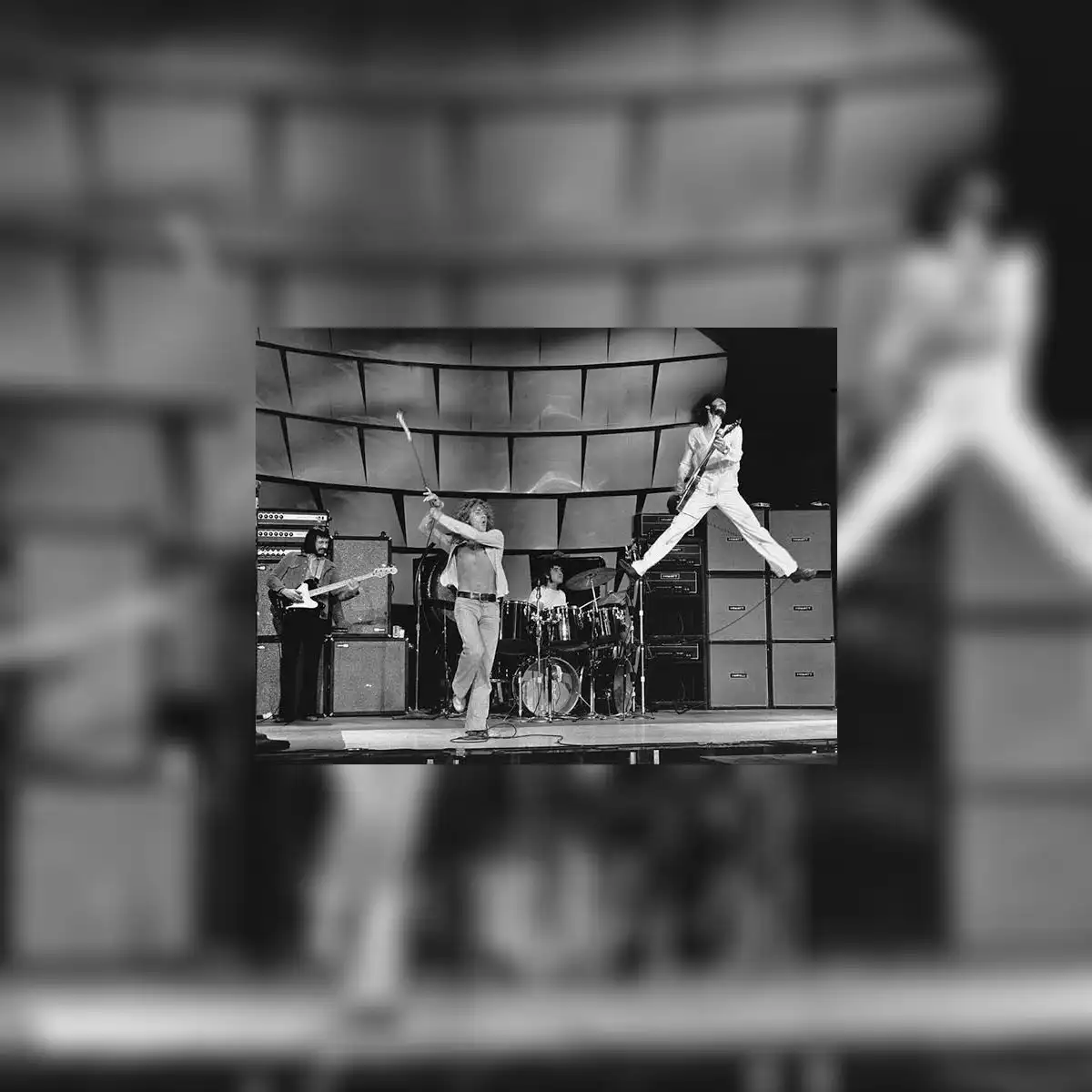
The album included classic tracks such as Baba O'Riley and Won't Get Fooled Again, showcasing Townshend's synthesis of hard rock instrumentation and early electronic synthesizers. Yet amidst these grand themes, Entwistle contributed a distinct voice of his own.
Humor and Domestic Paranoia in My Wife
Entwistle contributed his self-penned song My Wife to the album tracklist, performing the lead vocals himself. The track stood out sharply against the serious social commentary and dystopian warnings that dominated Townshend's songwriting throughout the rest of the record.
Rather than tackling societal automation or political decay, Entwistle offered a humorous personal narrative. The song tells the story of a man who has been out partying with friends for several days and is terrified to go back home, convinced that his furious wife will assault him upon his arrival.
The comedic protagonist plans his eventual return home but insists on seeking police protection and legal guarantees for his personal safety before stepping through the front door. Entwistle drew inspiration for the song from his marriage to his childhood sweetheart Alison Wise, whom he had married in 1967, turning marital anxiety into a tongue-in-cheek rock anthem.
Ruiz Ortega noted that My Wife remains one of the most underrated tracks in the fan community. He added that Who's Next would lose its vital emotional balance without Entwistle's contribution, which injected much-needed levity into one of rock music's most celebrated masterpieces.
Although Ruiz Ortega considered Who's Next a masterpiece of 1971, he maintained that it did not quite surpass The Who's 1973 concept album Quadrophenia, which he had reviewed in a separate column days earlier. Nevertheless, he concluded that listening closely to the band's catalog confirms Entwistle's role as the hidden rhythm and essential foundation of their enduring sound.