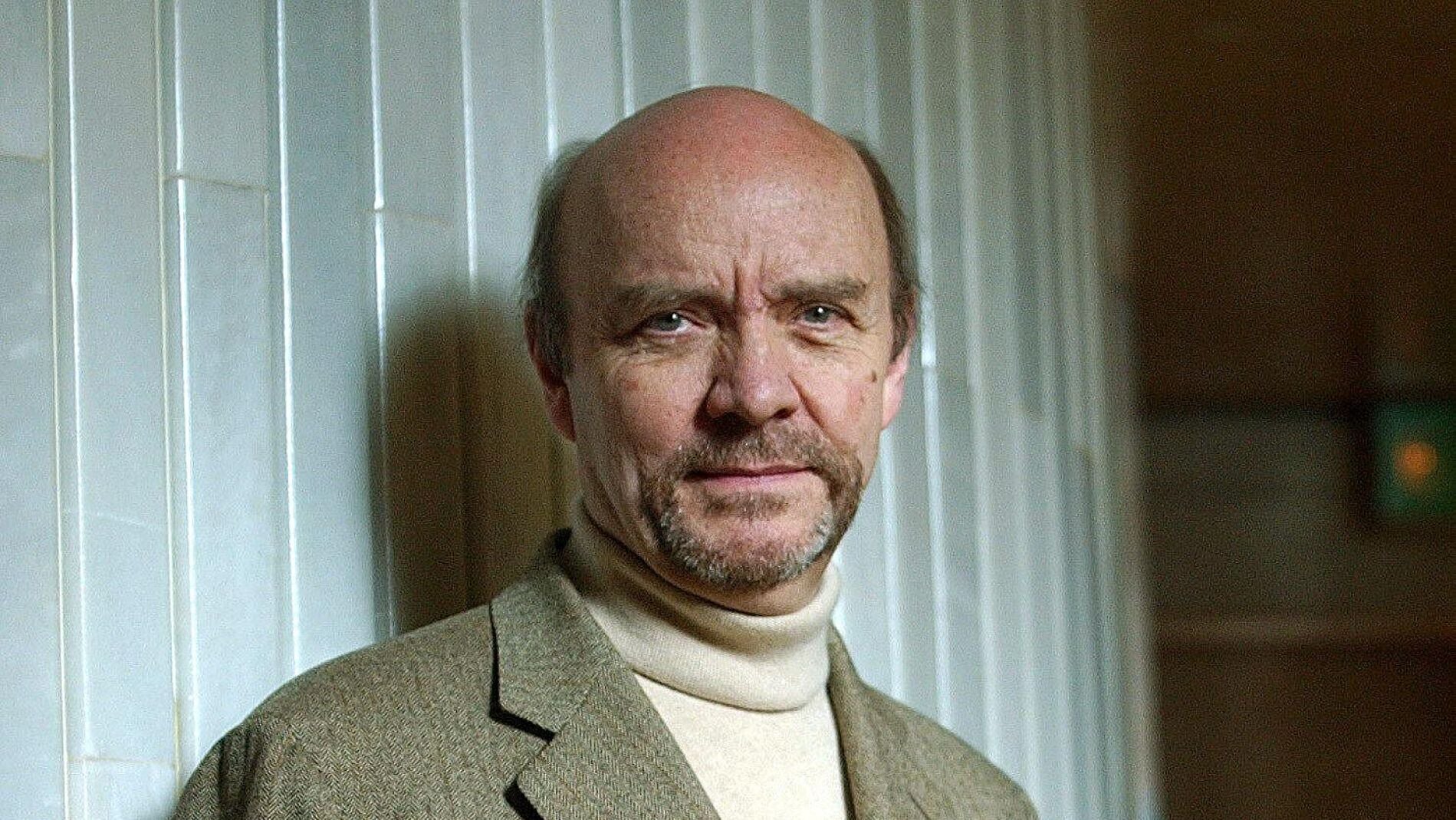
French film director Jean-Paul Rappeneau, best known for directing the 1990 international cinematic hit Cyrano de Bergerac, died on Tuesday at the age of 94.
His family announced his death on Wednesday, prompting tributes across France for a creator who completed just eight feature films during a career that spanned half a century.
International success with Cyrano de Bergerac
Rappeneau achieved his greatest international acclaim in 1990 with Cyrano de Bergerac, a lavish adaptation of the 1897 verse play by Edmond Rostand. Starring Gérard Depardieu as the 17th-century swashbuckling poet with an oversized nose, the movie became one of the defining classics of modern French cinema.
Rappeneau had agreed to direct the project only on the condition that Depardieu took the title role. Working alongside screenwriter Jean-Claude Carrière, Rappeneau retained much of Rostand's original verse while adding new lines to adapt the story of love, pride, and romantic sacrifice for the screen.
The film earned ten César Awards in France, including best picture, while Depardieu received an Academy Award nomination for best actor. The news agency Efe reported that the production cemented Rappeneau's standing as a master of epic narrative.
Big productions and literary adaptations
Five years later, Rappeneau returned to large-scale filmmaking with the 1995 period drama The Horseman on the Roof, adapted from the 1951 novel by Jean Giono. Starring Juliette Binoche and Olivier Martinez, the story followed a nobleman fleeing across Provence during a 19th-century cholera epidemic.
The production showcased key themes that defined Rappeneau's career, combining high adventure, sweeping romance, and vast natural landscapes. Throughout his life, he conceived cinema as a visual spectacle, championing large landscapes, star actors, and heroic tales over the minimalist aesthetic of the French New Wave. He frequently insisted that cinema required visual splendor above all else.
Wartime childhood in Auxerre
Rappeneau was born on April 8, 1932, in the town of Auxerre in Burgundy, France. He spent his early childhood living under the German occupation during World War II.
During the war, his father was taken prisoner, and German military officers were quartered in the family home. Rappeneau later credited those childhood experiences under occupation with sparking his lifelong fascination with high adventure and dramatic storytelling.
Early career and fast-paced comedies
He made his feature directorial debut in 1966 with Life at the Castle, a World War II comedy set during the German occupation of Normandy, starring Catherine Deneuve and Philippe Noiret.
He followed his debut with The Married Couple of the Year Two in 1971, an adventure comedy starring Jean-Paul Belmondo set during the French Revolution. In 1975, he reunited with Deneuve for Call Me Savage, co-starring Yves Montand.
Deneuve became one of the actresses who best matched the dizzying pace of his dialogue, which became a signature element of his directing style. Rappeneau concluded his filmmaking career in 2015 with Families, an ensemble comedy that returned to the lighthearted comedic tone of his earliest pictures.
Tributes from French cinema critics
Following the announcement of his death by his family, French newspapers paid tribute to his singular ability to blend popular commercial cinema with elegance and spectacle.
The French daily newspaper Le Figaro defined his body of work as the haute couture of cinema. Meanwhile, the newspaper Le Monde hailed him as a distinct figure in French film history, describing his cinematic style as a French comedy made in the American style.
Although his complete filmography numbered only eight movies over fifty years, critics noted that each work left a lasting imprint on French cultural history.