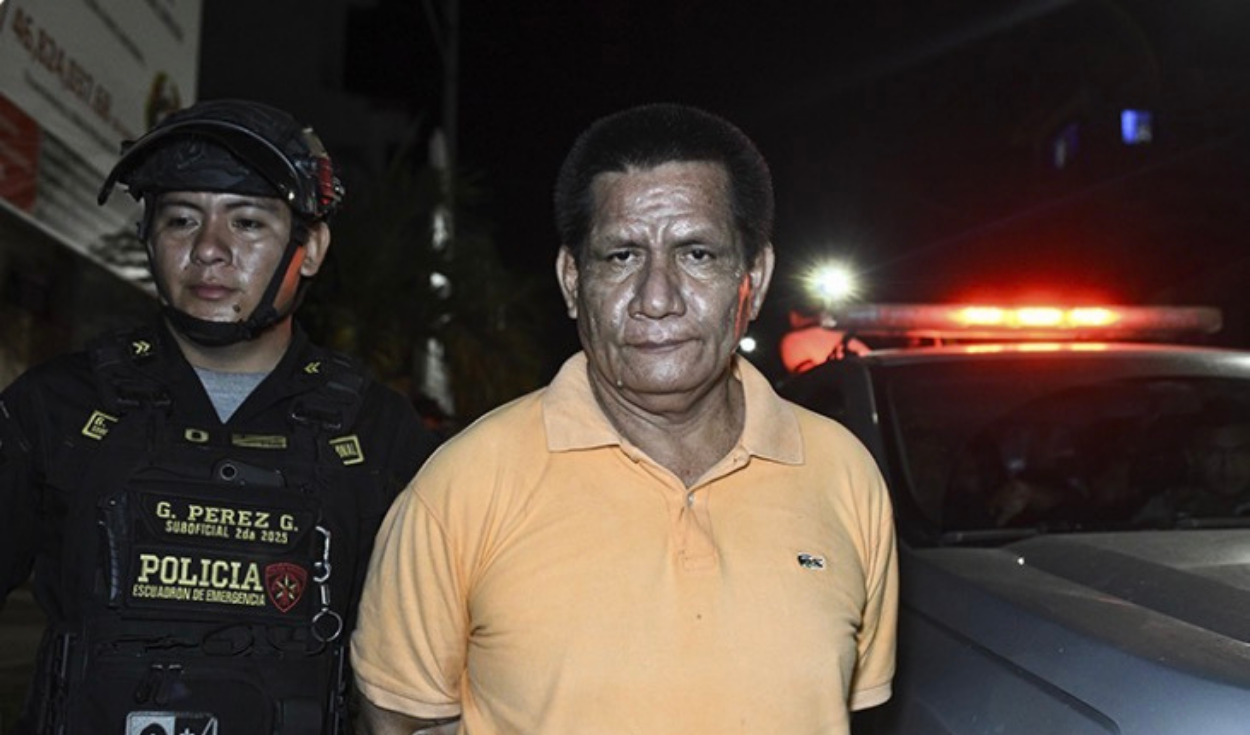
The National Police of Peru have arrested businessman Hugo Soria Flores in the eastern region of Ucayali over the 2014 murders of four indigenous leaders. Officers detained Soria Flores on Tuesday, 18 August 2026, at his home in the district of Manantay, situated within the province of Coronel Portillo.
Soria Flores was convicted for ordering the execution of environmental defenders Edwin Chota, Jorge Ríos, Francisco Pinedo, and Leoncio Quintisima in what became known as the landmark Saweto case. The operation to capture him involved a police captain and eight sub-officers, according to preliminary information from Peruvian National Police sources reported by news outlet Mongabay Latam.
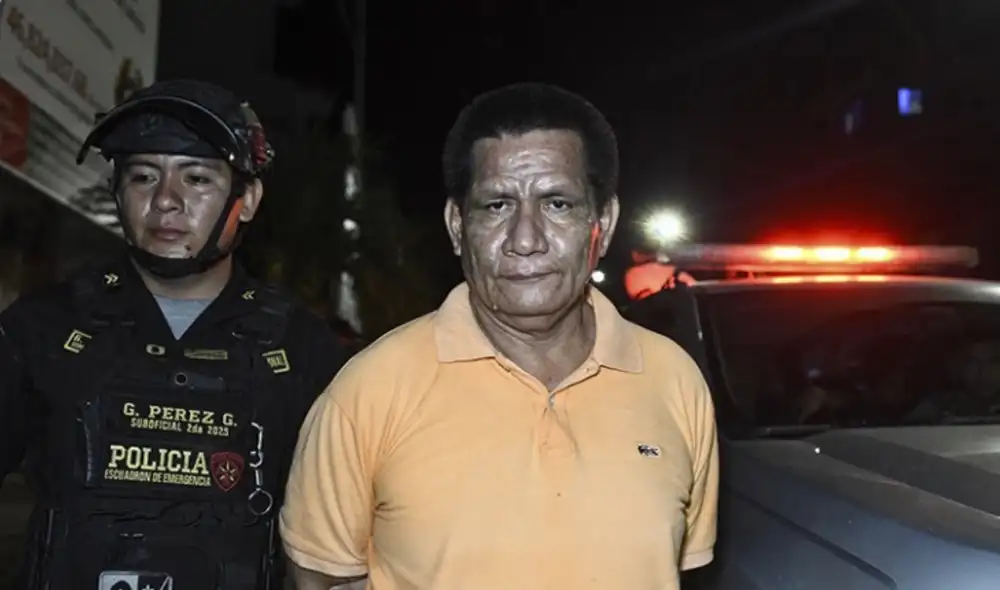
An international search and capture order had been active for Soria Flores prior to his arrest. The Ministry of the Interior had also offered a reward of 50,000 soles through its Rewards Program for information leading to his location.
Sentence and co-defendants
In August 2025, the Superior Court of Justice of Ucayali sentenced Soria Flores to 28 years and 3 months in prison for qualified homicide as an indirect author. The judicial ruling also ratified the same prison sentence of 28 years and 3 months for fellow businessman José Estrada Huayta, while brothers Josimar Atachi Félix and Segundo Atachi Félix were convicted as co-perpetrators.
Estrada Huayta was captured by national police officers in Campoverde in May 2026. Both Soria Flores and Estrada Huayta were prosecuted for giving the order to execute the four indigenous leaders. The arrest of Soria Flores leaves two sentenced businessmen currently held in custody by Peruvian law enforcement authorities in connection with the Saweto killings.
The Saweto ambush
The four victims were members of the Alto Tamaya-Saweto community and recognized defenders of the Amazon rainforest in Peru. Edwin Chota, Jorge Ríos, Leoncio Quintisima, and Francisco Pinedo were murdered in September 2014 during an ambush while traveling across the border toward Brazil.
The leaders were heading to the native community of Apiwtxa, located in the Brazilian state of Acre, when they were attacked. They were undertaking the journey after making formal complaints regarding the protection of their ancestral territory against illegal logging activities in the region.
According to the court ruling, the environmental defenders were shot and killed with shotguns during the ambush. That detail regarding the murder weapon was confirmed during judicial proceedings by a protected witness.
Background to the region
Ucayali is a department in eastern Peru bordering Brazil, where indigenous communities frequently protect ancestral territory from illegal logging and timber trafficking networks operating within the Amazon rainforest.