
Children's learning at school can be reinforced outside the classroom, at home and as a family, through playful activities that do not add physical or intellectual strain for children or parents, according to child education specialists.
Activities outside school hours can help maintain skills such as concentration, curiosity and critical thinking in children, encouraging them to "study and learn much more than they realise" without noticing it, and to build healthy relationships with family and technology, according to Milana Maliaukaite, a psychologist and student counsellor at the Hamelin-Laie International School in Barcelona, Spain.

Asked by the EFE news agency which activities parents should choose so that children "learn without realising it" and without overloading either children or adults, Maliaukaite said the most important thing is not how many activities a child does, but the results.
She said that if a child ends up more curious, more self-confident and eager to keep discovering after an activity, the choice was probably the right one. If the child ends up exhausted, even after learning a lot, the goal may not have been met, she said.
Curiosity over obligation
Maliaukaite said society rewards performance and productivity from a very early age, but the brain does not learn through the accumulation of experiences, rather through the quality of meaning it gives them. Learning, she said, is not about filling up a schedule but about awakening the desire to keep asking questions.
She recommended that families choose activities that respect each child's personality, interests and stage of development, since not every child needs the same thing, and educating also means accepting that development is not a race.
She added that the playful element is essential in an activity, not because learning must always be fun, but because play allows children to experiment, make mistakes, collaborate and persevere without fear of failure.
In education, she said, curiosity activates learning far more than obligation does. She said a school's mission is not to produce students who always depend on an adult to learn, but people who build the confidence to keep learning throughout their lives. Education, she said, is not only about passing on knowledge, but about shaping people capable of understanding the world, adapting to it and continuing to learn as it changes.
Maliaukaite went on to describe a series of activities that stimulate children's and teenagers' minds within the family, activities she said share something more important than being innovative: they make the student the protagonist of their own learning. She said she has observed that teenagers remember far better what they discover for themselves than what they simply hear, and that knowledge gained through experience tends to last much longer than knowledge memorised only for an exam.
Reading on e-books instead of tablets

Maliaukaite said lack of concentration is one of the challenges facing schools today. Screens dominate daily life, and tablets have become an option for reading books, she said.
However, she warned that access to social media or streaming apps, along with the constant notifications these devices generate, interrupts the flow of reading. She also warned that the blue light from screens is not good for young children's eyes, particularly late at night.
Maliaukaite suggested parents choose an e-book reader instead, which she said lets children focus on the single task of reading. She said e-readers are also more durable than conventional tablets, cheaper, and have longer battery life, while their e-ink screens faithfully replicate the experience of reading on paper. E-books, she said, allow for deeper reading because they are free of the constant interruptions caused by other devices.
Museums and interactive exhibits
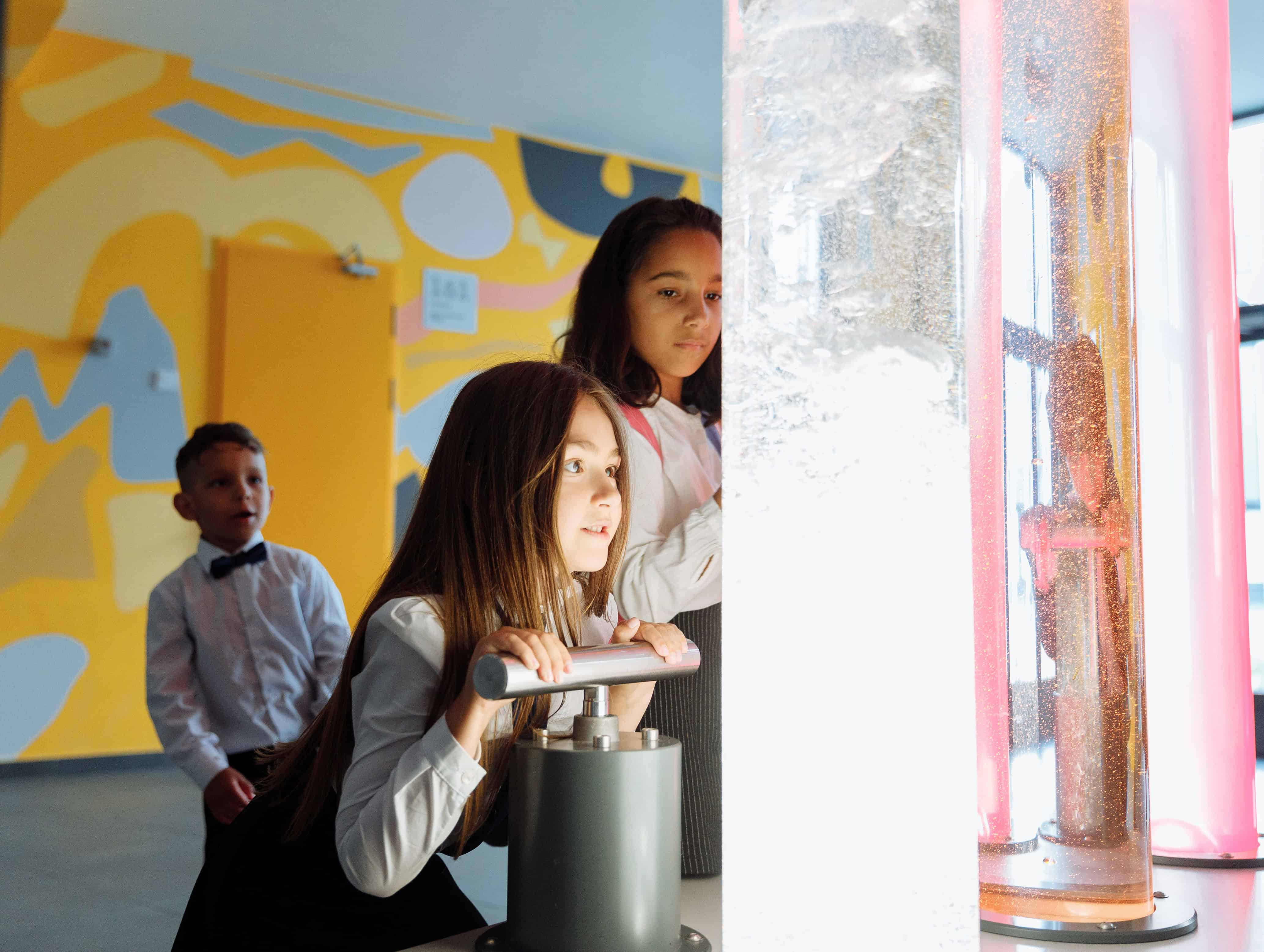
Maliaukaite said it is not the same to only see and hear as it is to see, hear, touch and experiment, and that children's cognitive development needs to be integrated into the content they learn. For that development to happen, she said, it helps for students to feel they can apply what they are being taught.
She noted that some science and history museums offer activities designed specifically for children that work not only as a family outing but also as a biology, maths, physics or geography lesson, including live experiments or the chance to virtually hear from historical figures.
Museums and interactive experiences bring learning closer to reality, she said. When a student observes, touches, compares or forms a hypothesis, they stop being a spectator and start building meaningful knowledge, she said.
Escape-room style books
Maliaukaite said escape-room style books have become popular because, beyond telling a good story, they immerse the reader in the plot and challenge them to solve puzzles and complete activities that require them to think. She noted such books exist on many subjects and in different settings, and that some can even let a child put into practice what they learned during the school year in order to reach the end of the story's adventure.
These books develop something she considers essential for a student's future: the ability to think before responding. She said they teach children to analyse information, look for connections, tolerate uncertainty and work as a team.
Conversations that spark thinking
Maliaukaite said family conversations remain one of the most powerful educational tools, though she stressed she does not mean simply asking children how their day went. Instead, she suggested questions such as what surprised them that day, what they would change, or what they learned from a mistake.
She said this kind of conversation develops critical thinking, emotional intelligence and the capacity for reflection, adding that a good question can sometimes teach more than a long explanation.
Cooking together as a family
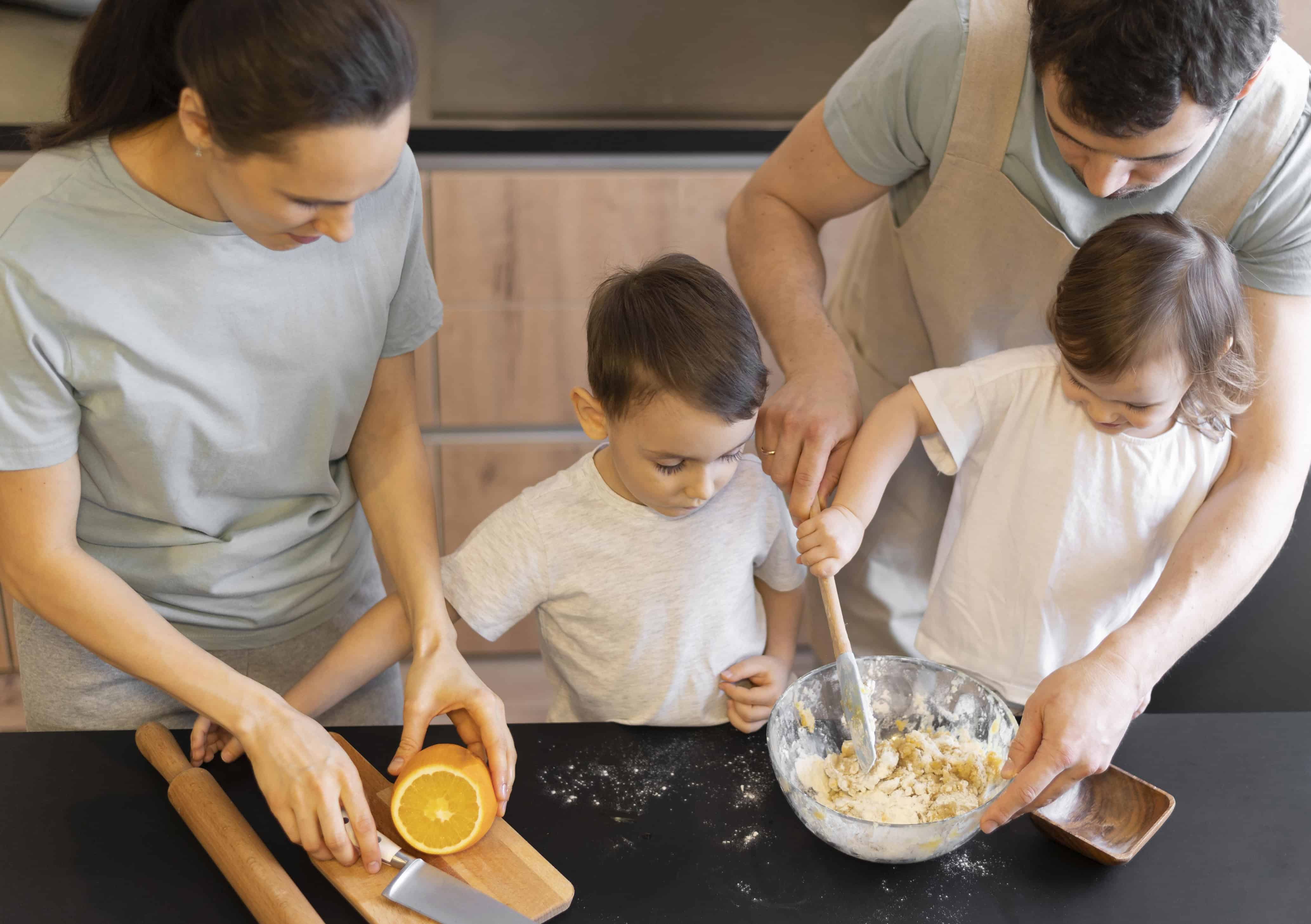
Maliaukaite said preparing a recipe together with parents and children goes far beyond learning to cook. It requires organising, solving small problems, following instructions, working as a team and developing independence, she said.
Above all, she said, it is a shared activity that teaches something valuable: that learning is part of everyday life, not just the classroom, and that the best learning often happens while spending time with the people we love.
Small personal projects
Maliaukaite said encouraging a teenager to start a podcast, research a subject they are passionate about, organise a trip, learn photography or design a small project of their own has enormous educational value. When a young person feels an idea is truly their own, she said, they develop creativity, perseverance, responsibility and confidence in their own abilities.
In her experience, students grow the most when they stop asking themselves what they have to study and start asking what they want to discover. The most important learning, she said, does not always show up as a grade on a report card. Often it leaves something far more valuable: a different way of thinking, of relating to others and of seeing the world. That, she said, is the kind of education that stays with a person for life.