

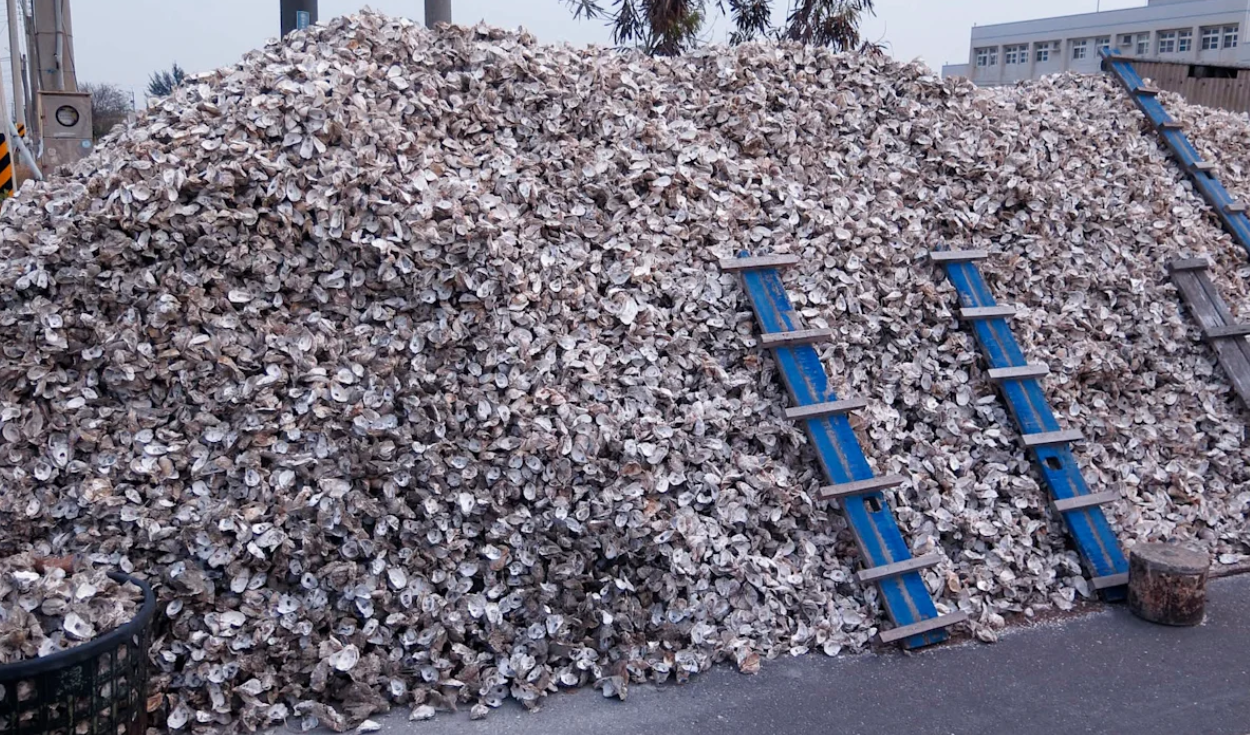
More than 500,000 tons of oyster and mussel shells collected from restaurants and processing plants were deposited into the Gulf of Mexico between 2007 and 2024, and the waste has since helped restore damaged marine habitats along Florida's coast.
The program was met with skepticism at first, widely seen as little more than dumping garbage into the sea, and early results were scarce. But over time, an underwater ecological process took hold.
How the shells rebuild reefs
Once placed in the water, bacteria settled on the shells and formed a thin layer known as a biofilm. The shells also released calcium, creating small chemical microenvironments beneficial to marine species. Crucially, they gave young oysters a hard surface to attach to, which the now-soft and sandy seabed no longer provided.
As oyster reefs grew, broader coastal conditions improved. Oysters filter water, reduce suspended particles, and help control harmful algae blooms, which in turn benefits fish, plants, and larger animals including turtles and dolphins. According to the project, populations of those species have reached levels not seen in more than 25 years.
Jack Payne, vice president of the University of Florida's Institute of Food and Agricultural Sciences, said the project was a large-scale ecosystem effort from which researchers would learn a great deal about confronting rising sea levels.
The model is spreading
Similar efforts are underway elsewhere. In California, scientists have used restaurant shell waste to build new oyster reefs. Marine researcher Kaysha Kenney told People that the California program now holds more than 24,000 pounds of oyster shells, with the quantity growing significantly each week.
In France, a company called Ovive processes oyster and mussel shells collected at the port of La Rochelle, where large volumes accumulate, particularly after Christmas and New Year when oysters are a popular food.


