Greek diplomatic sources have dismissed comments by Turkish Foreign Minister Hakan Fidan regarding a planned undersea electricity cable connecting Greece and Cyprus.
The response from Athens came after Fidan addressed the cross-border energy project during an interview on the Greek television channel Skai, claiming that everything was normal and everything was fine. The Turkish foreign minister made the remarks amid renewed scrutiny over the planned underwater power route between the two Mediterranean nations.
Greek diplomatic sources rejected that assessment, stating that internal political management by Turkey was not their concern. The sources stressed that Greece was the sole licensing authority for the project and had aligned itself fully with international law, adding that Athens would continue to do what was required.
Dispute over maritime survey alerts
The diplomatic exchange followed an escalation of the dispute between Greece and Turkey on Friday, 6 November 2026. Athens diplomatic sources responded after the Ministry of Foreign Affairs of Turkey issued announcements concerning maritime advisories published by Greece and Cyprus.
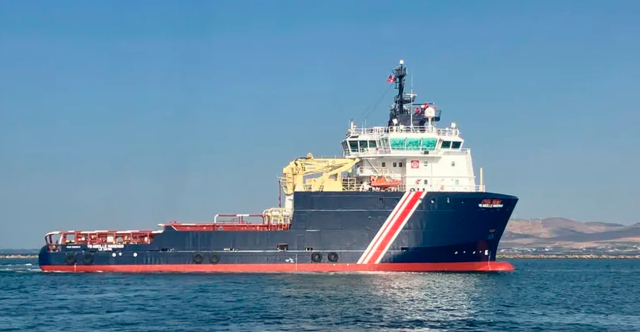
Both Greece and Cyprus had released navigational telex notices, known as NAVTEX alerts, to mark the start of research operations for the electrical interconnection. The technical surveys are assigned to a French research vessel, the Abeille Marengo, to examine the seabed along the proposed cable route.
The French vessel remains docked and ready to sail from the port of Heraklion on the island of Crete. Officials confirmed that the ship will carry out the necessary surveys for the Greece-Cyprus electricity connection following the issuance of the Greek NAVTEX advisory.
Great Sea Interconnector project
The undersea power cable, known as the Great Sea Interconnector, is designed to link the transmission grids of mainland Greece, Crete, and Cyprus across the Mediterranean seabed. The European Union supports the venture to end the electrical isolation of Cyprus, which remains the only EU member state without an electricity link to the wider continental network.
NAVTEX broadcasts are international maritime notices used by coastal nations to inform mariners about navigational hazards, naval exercises, or scientific surveying in specific marine areas. Energy infrastructure in the Eastern Mediterranean has frequently sparked friction between Greece and Turkey, two NATO allies with longstanding disagreements over maritime boundaries and continental shelf rights.
Athens maintains that its licensing decisions and maritime alerts fully comply with international rules governing underwater infrastructure. With the Greek NAVTEX issued, the Abeille Marengo remains ready to depart Crete to begin the technical research required for the cross-border electricity link.