The United States Air Force has awarded two contracts totaling more than $766 million to defense companies Raytheon and Boeing to modernize B-52 bombers.
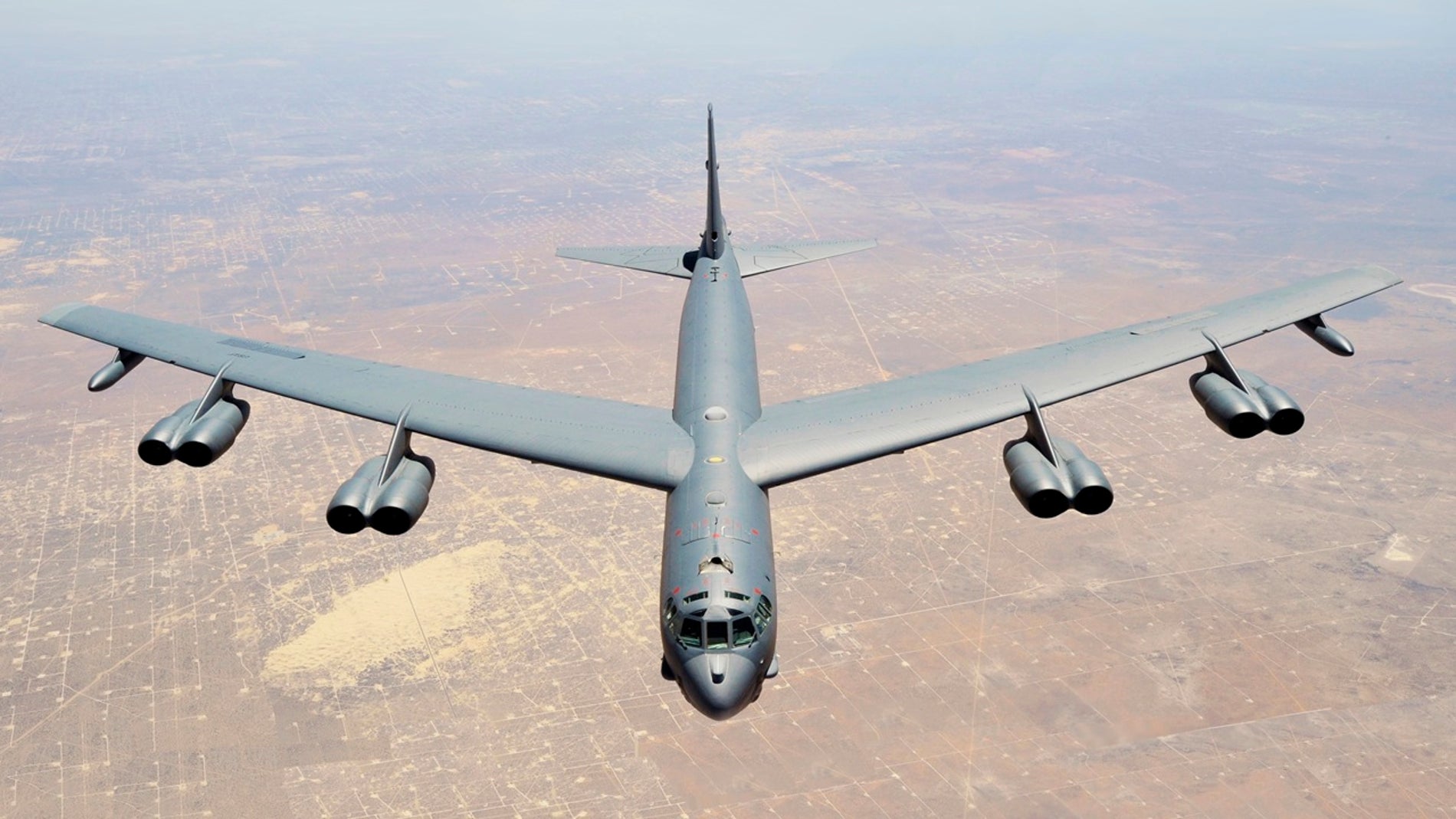
The Pentagon deal aims to secure the long term technical viability of the B-52 Stratofortress heavy bomber against advanced modern adversaries. The aircraft has served for decades as the backbone of nuclear deterrence for the United States military.
Contract breakdown and radar technology
Raytheon, a subsidiary of RTX Corporation, received the primary allocation with a contract worth $603 million. The funds will cover the complete production and development of the new AN/APQ-188 radar system, designed to boost pilot situational awareness during operations in hostile environments.
Original B-52 manufacturer Boeing secured a parallel contract valued at $163 million. Boeing will produce specialized modernization kits and support systems required to integrate the new radar technology into the existing airframe.
Raytheon and Boeing are among the largest defense and aerospace contractors in the United States. Their equipment upgrades will replace legacy radar equipment that has grown increasingly difficult to maintain in frontline service.
Strategic role and platform history
The Boeing B-52 Stratofortress is a long range strategic bomber that first entered development during the presidency of Dwight D. Eisenhower in the 1950s. Despite its Cold War origins, the aircraft remains essential to the American military due to its heavy payload capacity and intercontinental flight range.
According to details reported by trade publication Interesting Engineering, the installation of the AN/APQ-188 radar is critical to keeping the fleet operational well into the 2050s. When completed, the upgrade will allow the aircraft to operate alongside newer stealth bombers and fighter jets.
The radar overhaul represents just one part of a broader fleet modernization effort. The United States Air Force is currently running 13 simultaneous upgrade projects across the B-52 platform to refresh its avionics, engines, and combat capabilities.
Program costs and integration challenges
Official estimates indicate that the total cost of updating the entire B-52 fleet will reach approximately $21 billion. The multi-billion dollar price tag underscores the massive logistical and technical challenge of re-engineering an older military platform.
The program faces technical and bureaucratic hurdles. Recent reports from the Government Accountability Office warned of potential cost overruns and significant schedule delays during the integration process.
Government auditors noted that installing cutting edge digital electronics into airframes that are more than 50 years old has created unexpected complications for engineering teams.
Despite these integration delays, the United States Air Force remains committed to completing the modernization program. Military leaders consider a reliable intercontinental nuclear bomber fleet essential for strategic defense, and updated B-52 bombers will continue active patrols once the new radar systems are installed.