

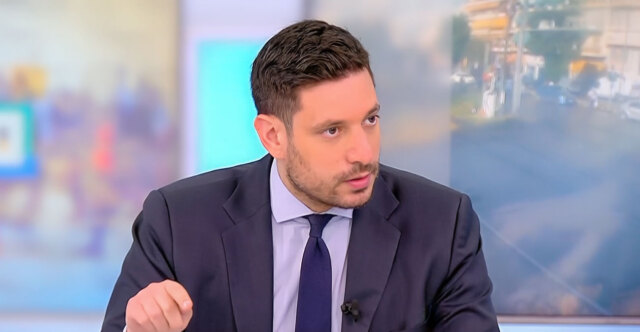
Greece will respond in the field if necessary to defend its sovereign rights over a planned subsea electricity cable to Cyprus, Konstantinos Kyranakis said.
Kyranakis, the secretary of the Political Committee of Greece's ruling New Democracy party, stressed the importance of maritime safety notices issued for the project, adding that the Great Sea Interconnector cable will end the energy isolation of Cyprus.
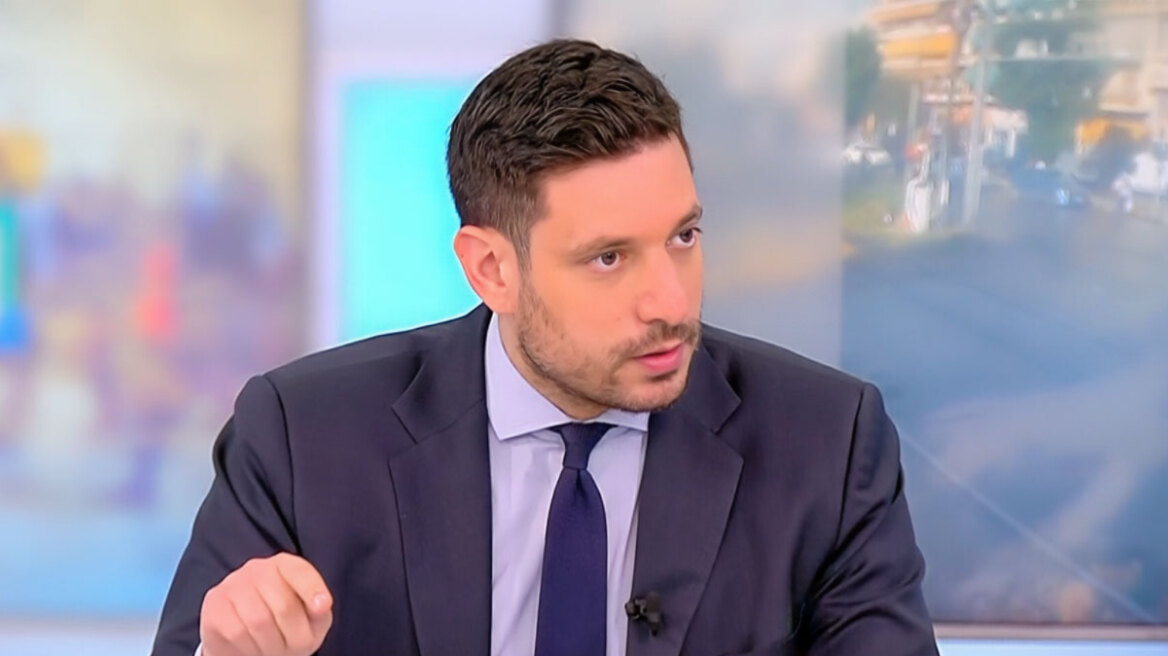
The planned link connects the Greek power grid to Cyprus and is designed to extend onward to Israel in its full operational phase. Kyranakis said the route of the undersea cable passes directly through the Exclusive Economic Zones of Greece and Cyprus, describing the corridor as crucial for Greek national interests and regional influence.
Subsea cable and maritime boundaries
The cross-border electricity project, known as the Great Sea Interconnector, aims to link the national transmission systems of Greece, Cyprus and Israel through deep-water subsea cables. Cyprus currently remains the only European Union member state without an electrical connection to the wider continental European network.
Kyranakis said the formal issuance of NAVTEX navigational warnings was vital for the project, affirming that Greece possesses the capability to defend its sovereign rights during survey and installation work across the Eastern Mediterranean.
Undersea energy infrastructure projects in the region have frequently intersected with complex maritime boundary claims, where overlapping economic zones and continental shelf delineations have prompted competing naval alerts and diplomatic friction.
Military readiness and offshore drilling
Kyranakis highlighted Greece's recent defense upgrades, stating that Athens has achieved clear superiority at sea and in the air through substantial military investments.
He cited the arrival of modern naval frigates and French-built Rafale combat aircraft as key assets that reinforce national defense. Greece has carried out an extensive military procurement program over recent years to upgrade its fleet and air capabilities in the Aegean and Eastern Mediterranean basins.
Greece will also deploy a drilling rig in its territorial waters in 2027, Kyranakis said. He described the scheduled offshore deployment as a strategic initiative that will significantly strengthen the country's geopolitical and energy standing.
Dispute over 2019 penal code reforms
Addressing domestic political tensions, Kyranakis pushed back against criticisms leveled by former prime minister Alexis Tsipras, who accused the government of using foreign policy developments to distract voters from high consumer prices and the rising cost of living.
Kyranakis pointed to earlier public statements by Stavros Kontonis, who served as justice minister under Tsipras during the previous SYRIZA administration. Kontonis had openly broken with his former party over sweeping revisions made to the Greek Criminal Code in 2019, shortly before the leftist government lost power.
Certain individuals avoided prison sentences because of those 2019 legal revisions, Kyranakis said. He highlighted the controversial decision by the previous administration to reclassify active bribery from a serious felony into a misdemeanor, which lowered statutory penalties and shortened legal time limits on prosecution.
Borrower protections and loan funds
Turning to domestic economic performance, Kyranakis pointed to steady wage growth, falling unemployment rates and strong commercial momentum in the Greek property market.
He also criticized SYRIZA over the management of non-performing bank debts, commonly known as red loans, and the protection of primary residences. Kyranakis accused the leftist party of establishing the statutory framework that originally allowed distressed loans to be transferred from commercial banks to private investment funds.
Kyranakis said the current government has enacted strict transparency rules to regulate private credit servicing companies and protect struggling borrowers. Under new legislation, investment funds face fines running into millions of euros if they fail to provide borrowers with complete contractual information within three months.
The three-month rule guarantees that families facing financial difficulty have exact figures and contract terms before them, Kyranakis said, allowing households to arrange realistic payment schedules based on their own budgets. He added that recent improvements to the out-of-court debt settlement mechanism have made it substantially easier for families to restructure problematic debts.
Mortgage servicing rules and debt relief
Regarding Article 23 of the loan legislation, Kyranakis explained that when a borrower misses installments, the debt transfers to the investment fund, and three unpaid installments create an enforceable title. He clarified that standard parliamentary procedures provide room to amend or withdraw specific legislative clauses following public consultation.
Kyranakis also attacked the socialist opposition party PASOK over its position on debtor protection. He said that until shortly before the bill reached the parliamentary plenary, PASOK had argued that a household must be declared bankrupt before entering a debt settlement program, an approach he said would force families into complete financial ruin.
Looking ahead to the broader political calendar, Kyranakis estimated that the prime minister will complete his full four-year term in office. Serving out the full constitutional term will allow voters to evaluate the government on its comprehensive record of governance, he said.


