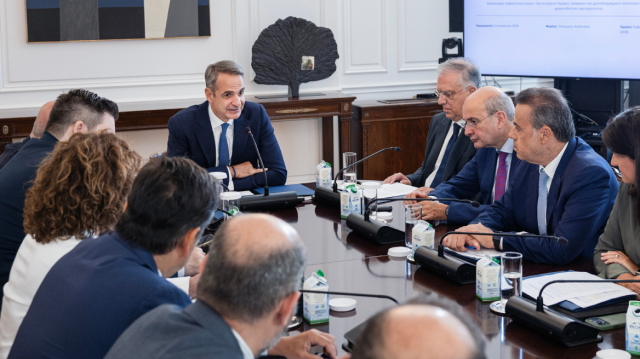
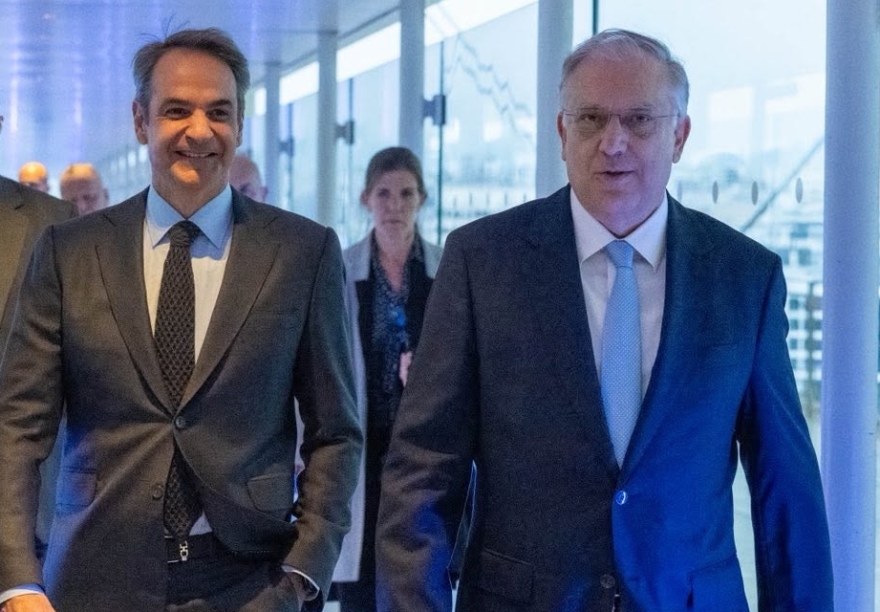
Greek Prime Minister Kyriakos Mitsotakis announced a comprehensive strategy to bolster manufacturing and industrial production, targeting a major economic growth leap ahead of the country's spring 2027 national elections during a meeting of the Governmental Industry Committee on August 6, 2026.
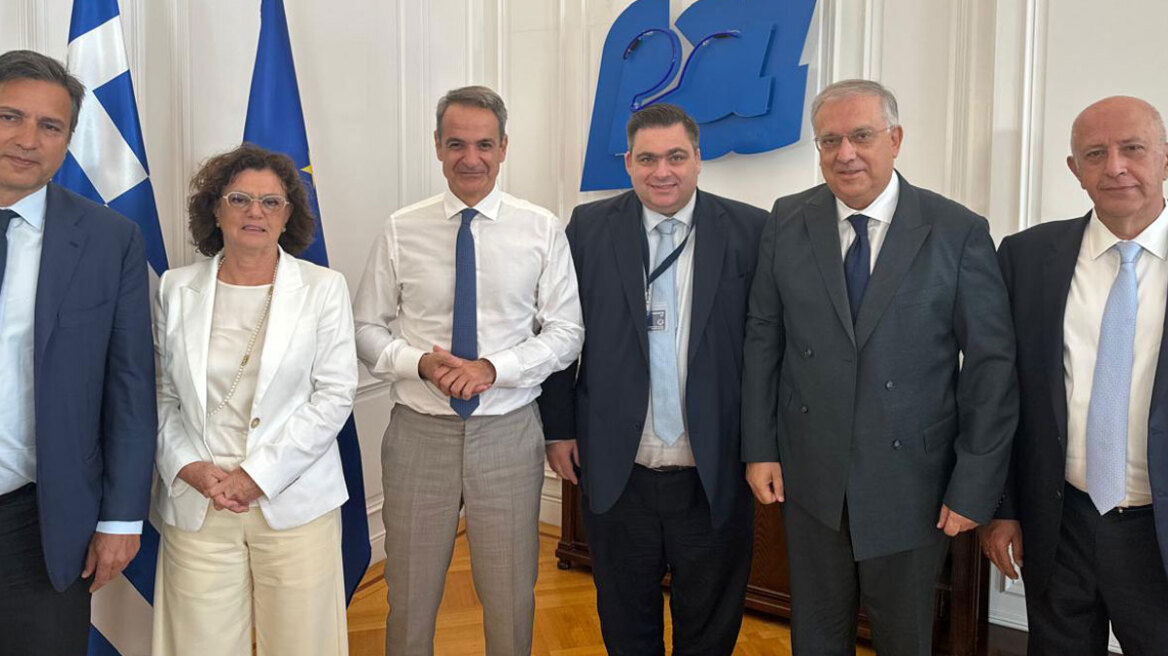
Addressing government ministers and industrial business leaders in Athens, Mitsotakis stated that strengthening manufacturing forms a core strategic priority to establish a more productive, competitive, and resilient Greek economy. He noted that while mid-summer discussions typically focus on tourism, the government chose to highlight manufacturing to underline its central role in driving long term national prosperity.
During the committee meeting, Development Minister Takis Theodorikakos presented a seven-point policy roadmap for the productive economy. The strategy combines sweeping regulatory simplifications with substantial public and private investments across key industrial sectors.
Mitsotakis, who has served as Prime Minister of Greece since leading his conservative New Democracy party to power in 2019, has placed economic modernization, debt reduction, and foreign investment at the center of his government's policy platform.
Industrial Base and European Strategy
Mitsotakis emphasized that industrial policy has returned to the core of European Union policy making amid global geopolitical instability, energy market uncertainty, and intensifying international competition. He stated that a nation's productive base fundamentally determines its economic security, power, and overall resilience.
Greece is actively participating in European Union consultations regarding energy policy, industrial investment, competitiveness, and critical supply chains. The Prime Minister recalled that the government originally presented its long term plan for transitioning to a new national productive model in October 2024 alongside business sector representatives.
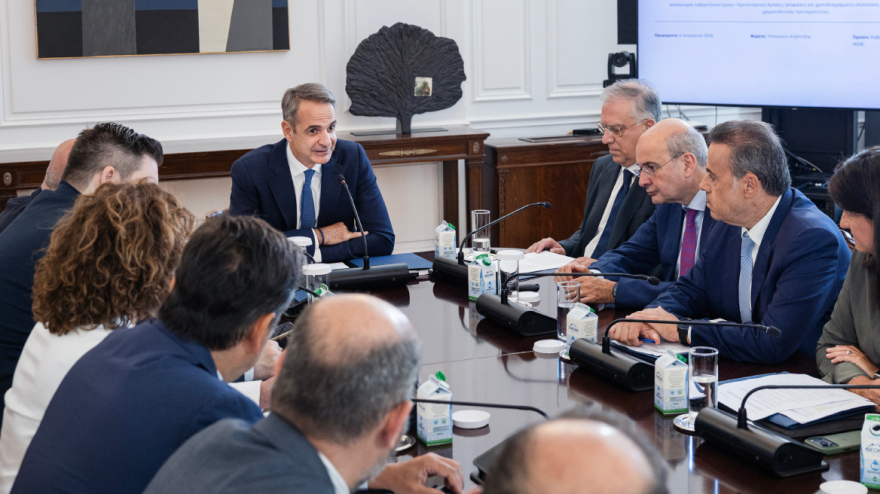
Under the national strategy, Greece updated its development law to prioritize industrial investments with a strong emphasis on regional economic growth. Particular priority has been assigned to Western Macedonia in northern Greece and Megalopolis in the Peloponnese, two regions navigating major economic shifts due to changes in the national energy mix.
Western Macedonia and Megalopolis have historically operated as Greece's main lignite mining and coal power hubs. Both regions are receiving targeted regional aid as the country transitions away from coal-fired electricity generation toward cleaner energy sources.
Mitsotakis added that the government is rapidly completing an updated special spatial planning framework for industry. The framework incorporates feedback from industrial representatives while meeting strict operational deadlines established under European Union rules.
Job Creation, Technology, and European Funds
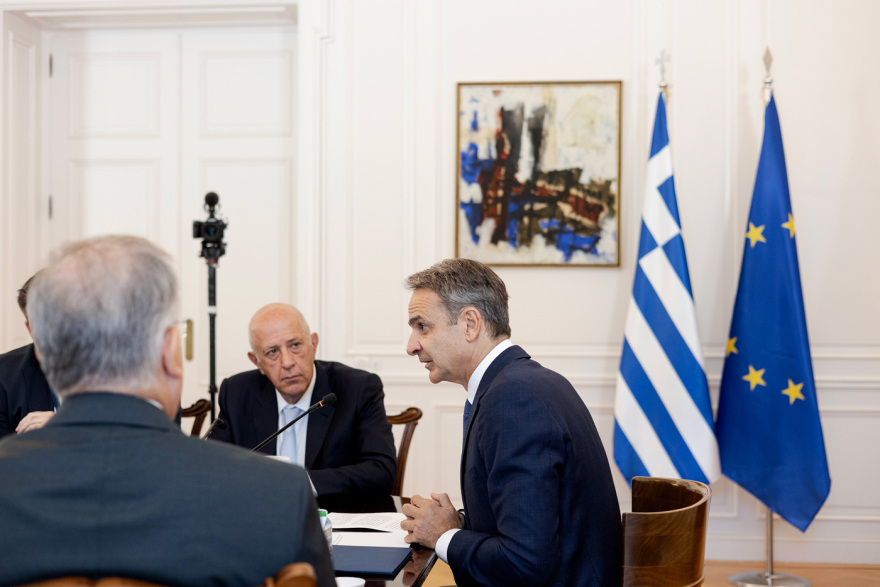
Evaluating economic performance during his administration, Mitsotakis said government policies have generated 60,000 new industrial jobs, with average wages in manufacturing consistently exceeding the national economic average.
He highlighted Greece's industrial tradition and skilled workforce, calling on domestic firms to integrate advanced technologies such as artificial intelligence to produce high value-added goods. Expanding export sectors currently include pharmaceuticals, defense equipment, metals, food processing, and advanced technologies.
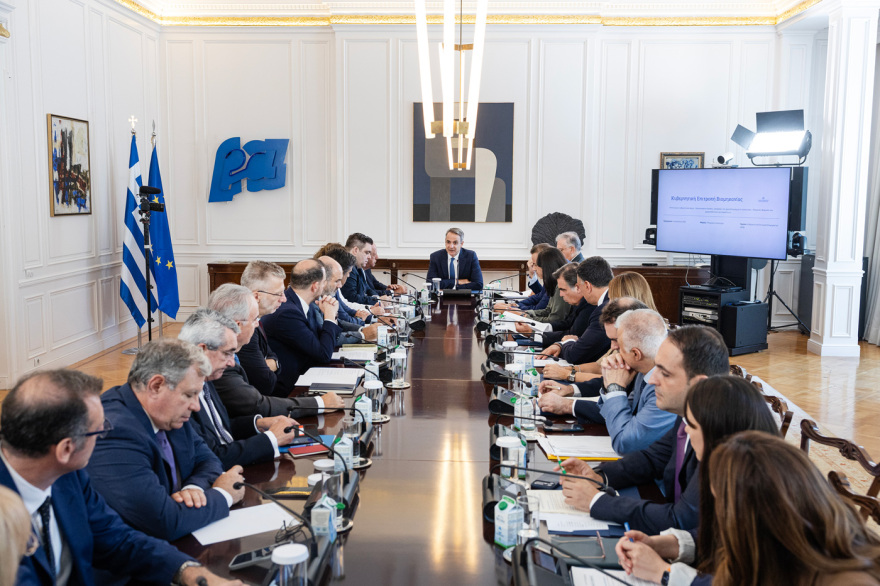
Looking ahead to European Union budget negotiations over the next 18 months, Mitsotakis urged close collaboration between the government and industrial leaders to secure financing from the proposed 450 billion euro EU Competitiveness Fund. Because the European fund will operate without fixed national quotas, Greece is setting a target to claim between 10 billion and 15 billion euros for domestic businesses.
The European Union Recovery Fund, established by the 27-nation bloc to support post-pandemic recovery, provides strict timelines for member states to complete structural reforms and deploy development funds effectively.
Mitsotakis stated that industrial investment will form a central pillar of the ruling New Democracy party manifesto for the spring 2027 elections. He noted that while Greece's current economic growth exceeds the European average, the target for the next four-year term is faster investment convergence relative to gross domestic product and broader regional wealth distribution.
Seven Action Priorities for Manufacturing
Development Minister Takis Theodorikakos detailed the executive roadmap designed to boost national productivity and raise living standards sustainably. The strategy builds upon recently launched administrative tools, including the OpenBusiness digital licensing portal, business park regulations, and updated manufacturing rules in Attica.
Theodorikakos, heading the Ministry of Development, presented the measures alongside leadership from the Hellenic Federation of Enterprises, known as SEV, which acts as Greece's primary employer organization representing industrial and commercial firms.

Attica, the administrative region surrounding the capital city of Athens, contains a major portion of the nation's manufacturing plants and commercial enterprises.
The first priority accelerates 11 critical structural reforms, including a new strategy for business parks, specialized development plans for industrial ports, improved access to transport networks, a digital business activity card, and simplified commercial licensing.

Under the second priority, the state is supporting 3.7 billion euros in productive investments through the development law and strategic investment frameworks, targeting new production units, technology integration, export expansion, and job creation.
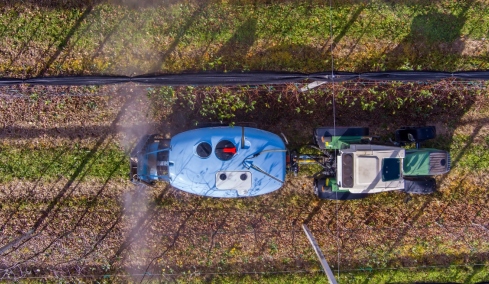
The third priority mobilizes 700 million euros through 2030 to assist manufacturing companies in lowering energy costs and completing energy upgrades. High energy expenses remain a primary concern for industrial firms across southern Europe.

Skills, Semiconductor Strategy, and Governance
The fourth priority establishes a national agenda for technical professions in coordination with the Ministry of Labor and the Ministry of Education, aligning vocational training directly with industrial production needs.

Fifth, the government is formulating a dedicated national strategy for semiconductors to integrate domestic technology firms into global microchip value chains.

The sixth priority focuses on establishing a clear Greek position ahead of European Union decisions regarding industrial competitiveness, regulatory frameworks, and future European budget allocations.
Finally, the seventh priority permanently upgrades the structure of the Governmental Industry Committee. The reform institutes standing working groups combining ministry officials and industry representatives to ensure accountability and monitor the execution of industrial reforms.