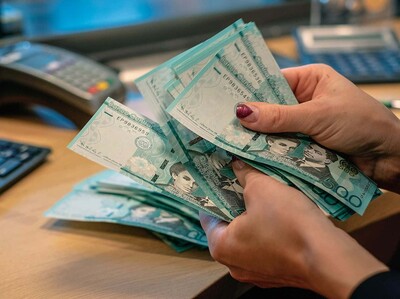
Greece's cost of borrowing on international financial markets has fallen below that of Italy and France, a reversal that reflects growing investor confidence in the country's public finances, according to a report by Euronews.
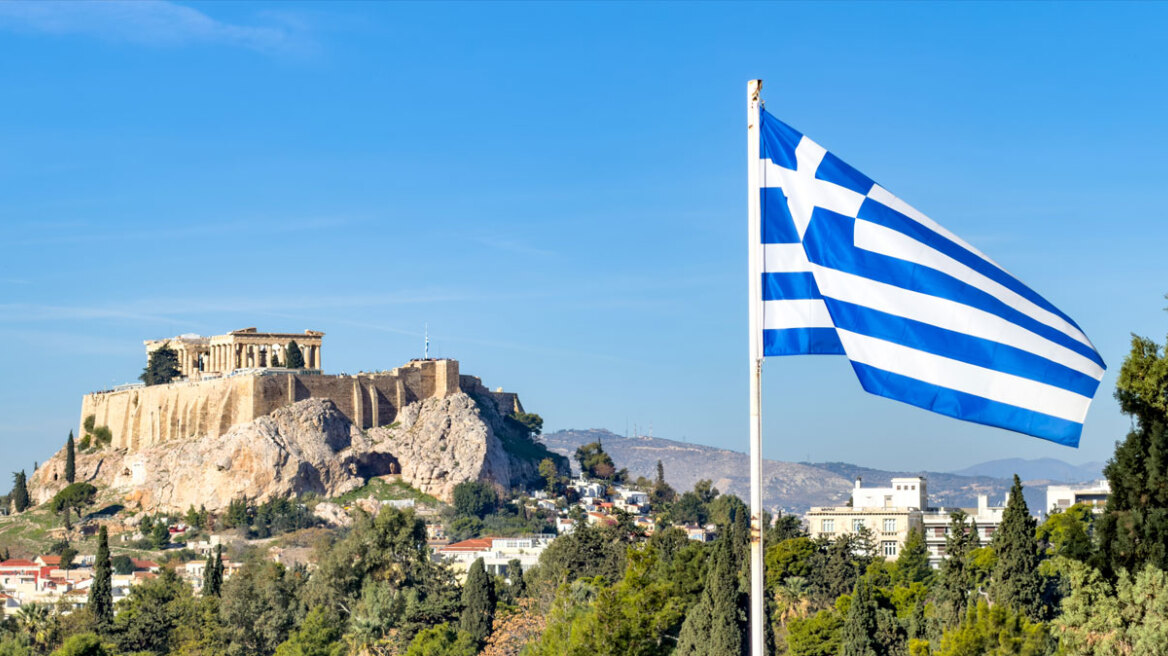
The shift reflects an improvement in Greece's creditworthiness, progress in managing its public finances, and a gradual reduction in the country's debt levels, the report said.
Falling debt, budget surpluses and economic growth have strengthened market confidence in Greece, though low household savings, inflation and weak productivity remain significant challenges, according to the report.
Despite the positive trend, significant weaknesses persist, particularly around the ability of Greek households to save, Euronews said.
A sharp reversal from 2012
The current picture is far removed from the one Greece presented in 2012. At that time, in the middle of a sovereign debt crisis, the yield on Greek ten-year bonds exceeded 35%, shortly before the country carried out what was recorded as the largest sovereign debt restructuring seen anywhere in the world.
During the same period, Italy was widely regarded as the country that could become the next focus of the crisis, with its own bond yields climbing above 7%, according to the report.
Why bond yields matter
A government bond yield is effectively the interest rate a country must pay to borrow money from investors. A higher yield signals that markets see greater risk of default, while a lower yield suggests investors view the borrower as safer. Greece required three international bailout programmes from the European Union and the International Monetary Fund between 2010 and 2018 at the height of its debt crisis, before formally exiting the last of those programmes in 2018. The 2012 restructuring referred to in the report, often known by its technical name of private sector involvement, imposed losses on holders of Greek government bonds and remains one of the largest debt write-downs undertaken by any sovereign nation.

Test yourself
What has happened to Greece's borrowing costs, according to the report?
What did the yield on Greek ten-year bonds exceed in 2012?
Which country was seen as the next possible flashpoint of the crisis alongside Greece in 2012?
Have your say
Do you think Greece's improved borrowing costs reflect a lasting economic turnaround?
Where it happened
Athens, Greece