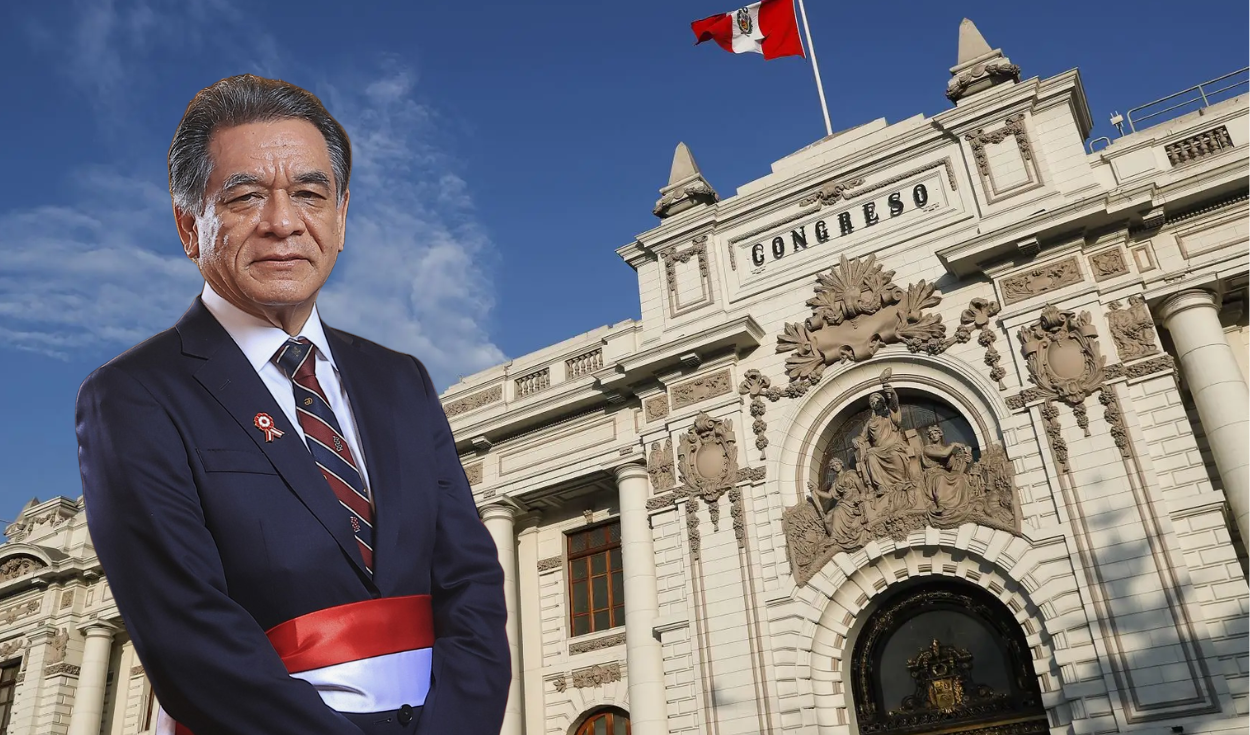
The plenary of the Chamber of Deputies of Peru will debate a motion of interpellation against Education Minister José Antonio Chang on Tuesday, October 6, 2026. Lawmakers seek to hold the minister politically accountable for decisions, omissions, and policy criteria across his administration since taking office.
The parliamentary motion contains 44 questions structured across nine thematic axes. It addresses controversial ministry appointments, ongoing university disruptions, archived misconduct allegations, teacher pension regulations, and proposed changes to the national school curriculum.
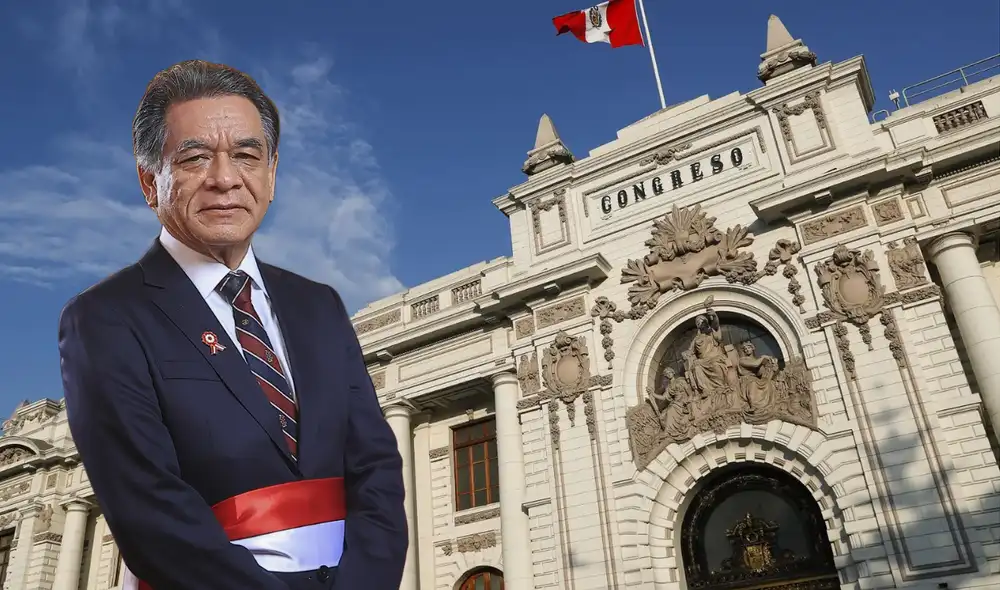
In Peru's legislative system, an interpellation is a formal mechanism used by parliament to examine cabinet members. If a motion passes the plenary floor, the minister is required to appear before lawmakers to answer a structured set of questions on executive performance.
The Ministry of Education, known locally as Minedu, is the cabinet department responsible for overseeing public and private education policies, teacher employment standards, and national curriculum guidelines across Peru.
Sponsorship and Shifting Parliamentary Support
Lawmakers from three parliamentary groups, Ahora Nación, Juntos por el Perú, and Partido Cívico Obras, originally filed the interpellation request on September 21, 2026. The petition explicitly demands political responsibility from Minister José Antonio Chang Escobedo for actions and omissions during his leadership.
Support for the motion fluctuated during parliamentary processing. Deputy Héctor Guillén Valencia of Juntos por el Perú added his endorsement to the petition. However, five lawmakers withdrew their signatures, including Deputy Herald Sonco Villanueva of Ahora Nación, as well as Deputies César Eusebio Padilla, Andrea Medina Stein, Juan Cabrera Nieto, and Víctor Piñan of Partido Cívico Obras.
The Chamber of Deputies features multiple parliamentary caucuses, known as bancadas, which represent distinct political parties. Multi-party oversight motions frequently undergo shifts in sponsorship as parliamentary groups negotiate voting positions in committee and on the plenary floor.
Controversial Appointments and Shelved Misconduct Complaint
The questionnaire focuses heavily on high-level staffing decisions within the education sector. Lawmakers specifically challenge appointments made to the General Secretariat of Minedu, the executive directorship of the national scholarship agency PRONABEC, and representation on the board of directors of Derrama Magisterial.
Regarding Derrama Magisterial, the document notes that former congresswoman Tania Ramírez was appointed to represent the ministry on August 3, 2026. Ramírez resigned from the position on August 31, 2026, following public questioning over her appointment.
Lawmakers also demand explanations regarding an archived sexual harassment complaint involving SUNEDU superintendent Vicente Espinoza Santillán. The motion indicates that Minedu issued an official letter on August 24, 2026, communicating the archiving of administrative proceedings against the official.
SUNEDU, the National Superintendency of Higher University Education, acts as Peru's independent higher education supervisor responsible for licensing universities and enforcing academic quality standards. PRONABEC, the National Scholarship and Educational Credit Program, manages state-funded financial aid and scholarships for students. Derrama Magisterial operates as a private social security and pension fund providing retirement benefits, credit, and welfare services to Peruvian public school teachers.
Campus Conflict, Labor Demands, and Curriculum Reforms
The motion highlights an institutional crisis at the Universidad Nacional de Ucayali. Lawmakers state that the university is experiencing a severe breakdown characterized by the takeover and blockage of campus facilities, and they require Minister Chang to outline measures taken to restore classes and guarantee educational services.
In addition, the question list targets teacher labor conditions and national curriculum plans. Lawmakers request details on the pending regulations for Law No. 32581 regarding pensions for retired and former teachers, the employment status of teachers evaluated under the Teacher Reform Law, and announced changes to remove all types of ideology from school curricula.
The Teacher Reform Law, known as the Ley de Reforma Magisterial, establishes evaluation standards, salary scales, and tenure rules for public school educators in Peru. The Universidad Nacional de Ucayali is a primary public university based in Pucallpa in eastern Peru, where campus blockades halt higher education operations for thousands of students.
Next Steps in Congress
If the Chamber of Deputies approves the interpellation motion during Tuesday's debate, the plenary will set the date and time for Minister Chang to appear before lawmakers to answer the 44 questions in person.