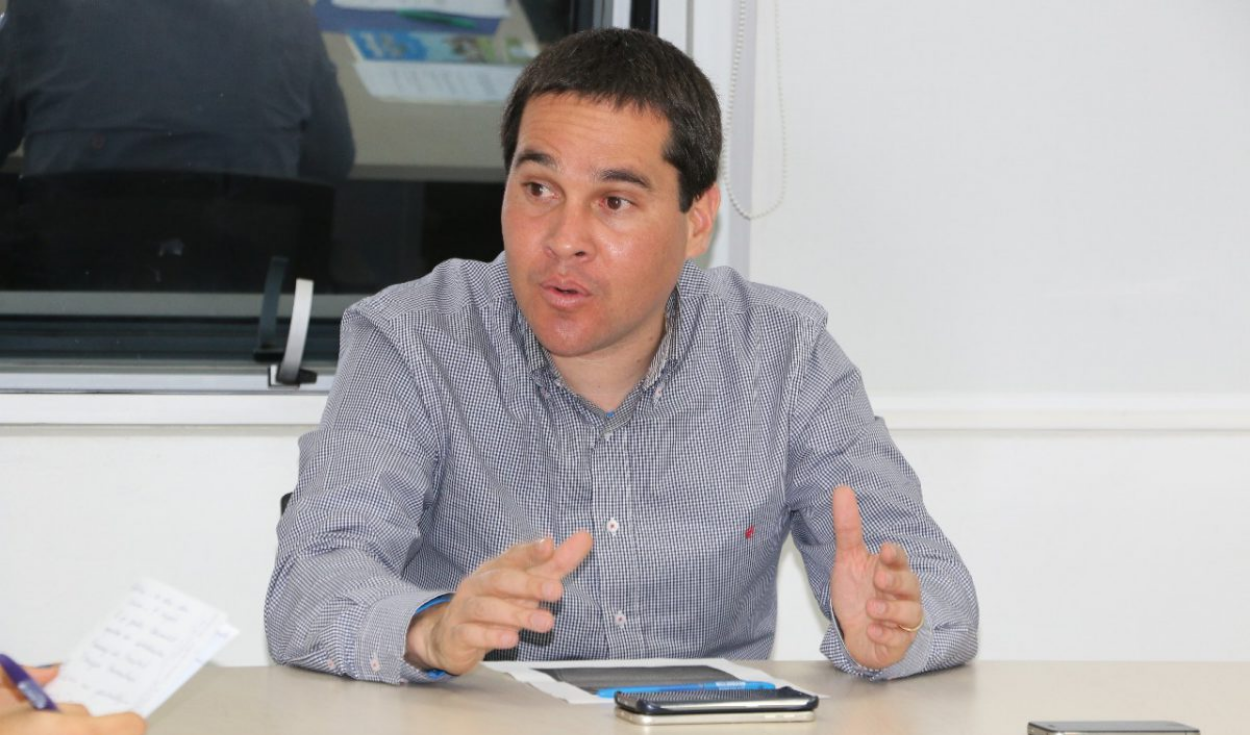
The Special Electoral Jury of West Lima 1 has disqualified San Miguel Mayor Eduardo Bless from running for district council in Peru's 2026 municipal elections. The electoral tribunal ruled that his candidacy as first council member configured a covert re-election, which is prohibited under Article 194 of the Constitution of Peru.
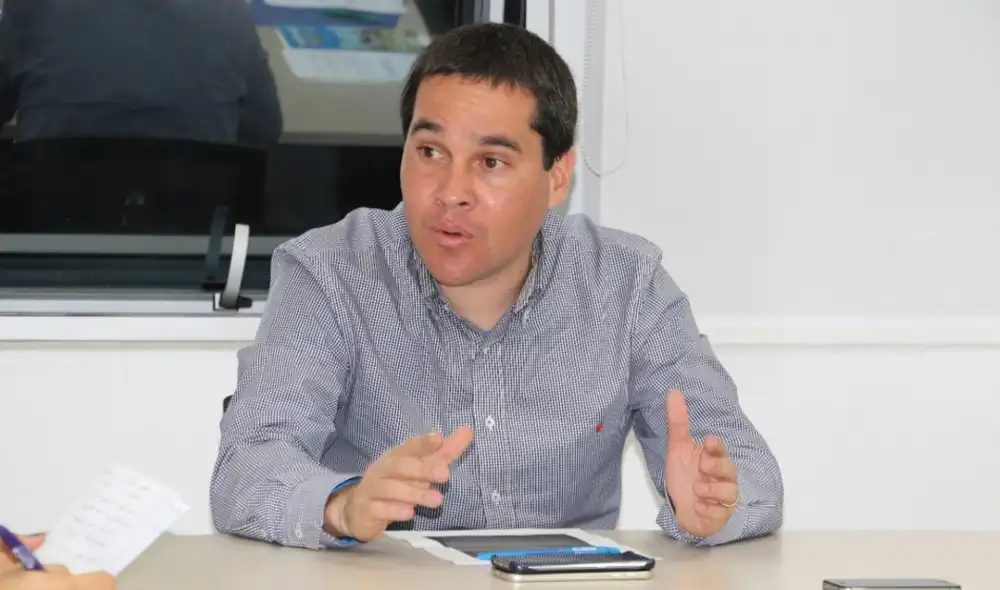
The tribunal based its ruling on a specific sequence of events within the Avanza País party ticket. Bless originally registered as candidate for first council member alongside Karin García, who was running for mayor of San Miguel. When García resigned, the party was left without a mayoral candidate, effectively leaving Bless as the top candidate on the ticket.
In its resolution, the electoral jury stated that the specific circumstances created a constitutional incompatibility with paragraph three of Article 194 of the Constitution of Peru, which bans immediate re-election for sitting mayors. The panel noted that Bless maintained his registration as first council member while his party remained without a mayoral nominee, placing him in a position to assume the mayoralty if the ticket won.
Defense by Avanza País
Aldo Fabrizio Borrero Rojas, the legal representative for Avanza País, defended the candidacy of Bless in a formal submission requesting that the exclusion petition be declared inadmissible. Borrero presented two main legal arguments to the panel. He asserted that the request was effectively an out-of-time challenge and argued that the situation was not listed as a ground for exclusion under Article 41 of the Candidate List Registration Regulations for the 2026 Municipal Elections.
Avanza País issued a public statement hours after the ruling, describing the decision as arbitrary. The political party announced plans to appeal the exclusion before the National Jury of Elections, noting that the country's highest electoral court had validated an identical candidacy scenario in the Áncash region just two days earlier.
The Áncash electoral precedent
The precedent highlighted by Avanza País involved Percy Villanera Figueroa, the sitting mayor of the Pontó district in the Huari province of Áncash. Villanera registered as first council member on the Somos Perú party ticket, but the party's mayoral candidate was disqualified following an uncorrected administrative observation. A citizen filed a challenge against Villanera over concerns that he would resume the mayoral office, but the Special Electoral Jury of Huari rejected the petition.
The Plenary of the National Jury of Elections upheld that rejection by a majority vote. Tribunal President Roberto Burneo, along with magistrates Aarón Oyarce and Rubén Torres, ruled that the positions of mayor and council member are legally distinct. The majority argued that barring such a candidacy would create an unauthorized restriction on political participation that is not explicitly established by Peruvian law.
Dissenting opinion and upcoming appeal
Magistrate Gunther Gonzáles submitted the sole dissenting vote in the Áncash decision, arguing that Villanera should have been excluded. Gonzáles wrote that the constitutional prohibition on re-election applies to any direct or indirect mechanism used to bypass the law. He warned that failing to enforce this rule would allow sitting mayors to remain in power indefinitely while front candidates resign in successive elections.
The Special Electoral Jury of West Lima 1 emphasized that its decision regarding Bless was based exclusively on the specific details of his case file and does not establish a blanket rule for all mayors seeking council seats. This distinction leaves room for the National Jury of Elections to differentiate the San Miguel case from the Pontó case during the appeal process, even though both involved sitting mayors running as first council members whose mayoral candidates were removed from the ballot.