
The Dominican Association of Restaurants and the Association of Hotels and Tourism of the Dominican Republic have launched Restaurant Week 2026 across five national destinations.
The month-long culinary celebration in September aims to highlight the diversity of Dominican gastronomy and reinforce its connection with national identity, culture, and tourism.

Organisers presented the details of this year's edition during an exclusive launch lunch at San Marzano, a Mediterranean restaurant in Santo Domingo. Local media representatives and digital content creators attended the event, where guests sampled an eight-course tasting menu featuring signature dishes from the establishment.
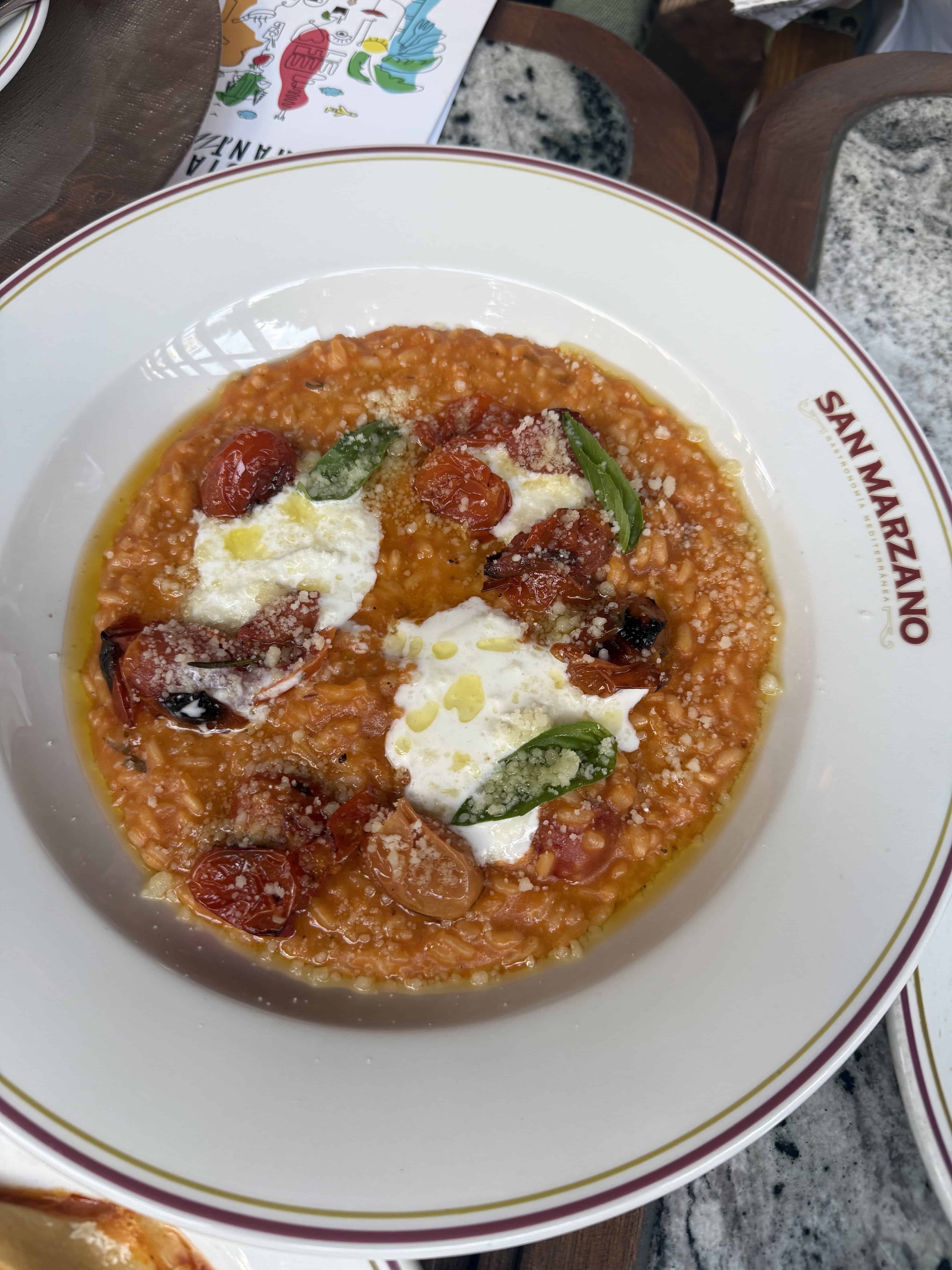
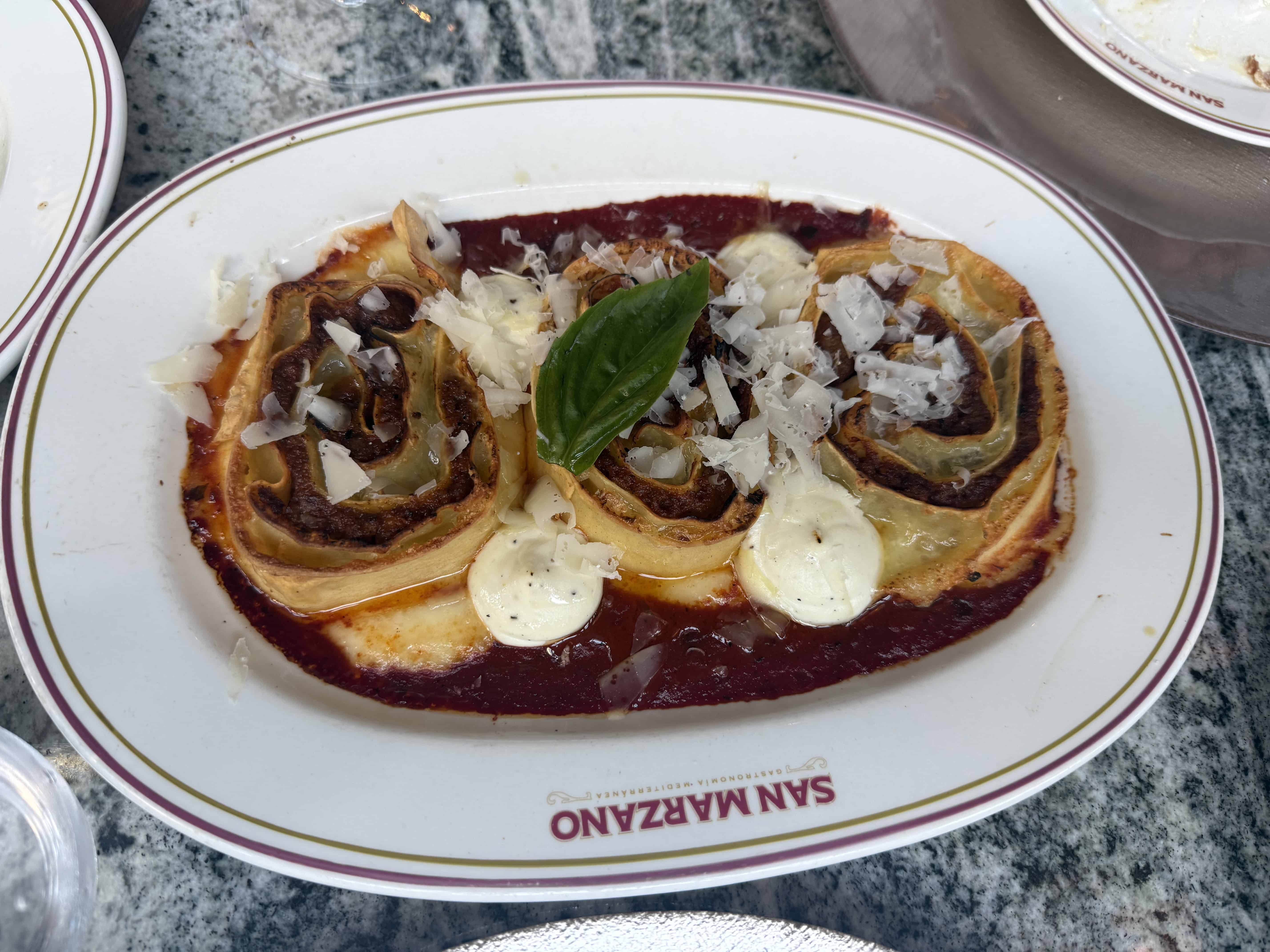
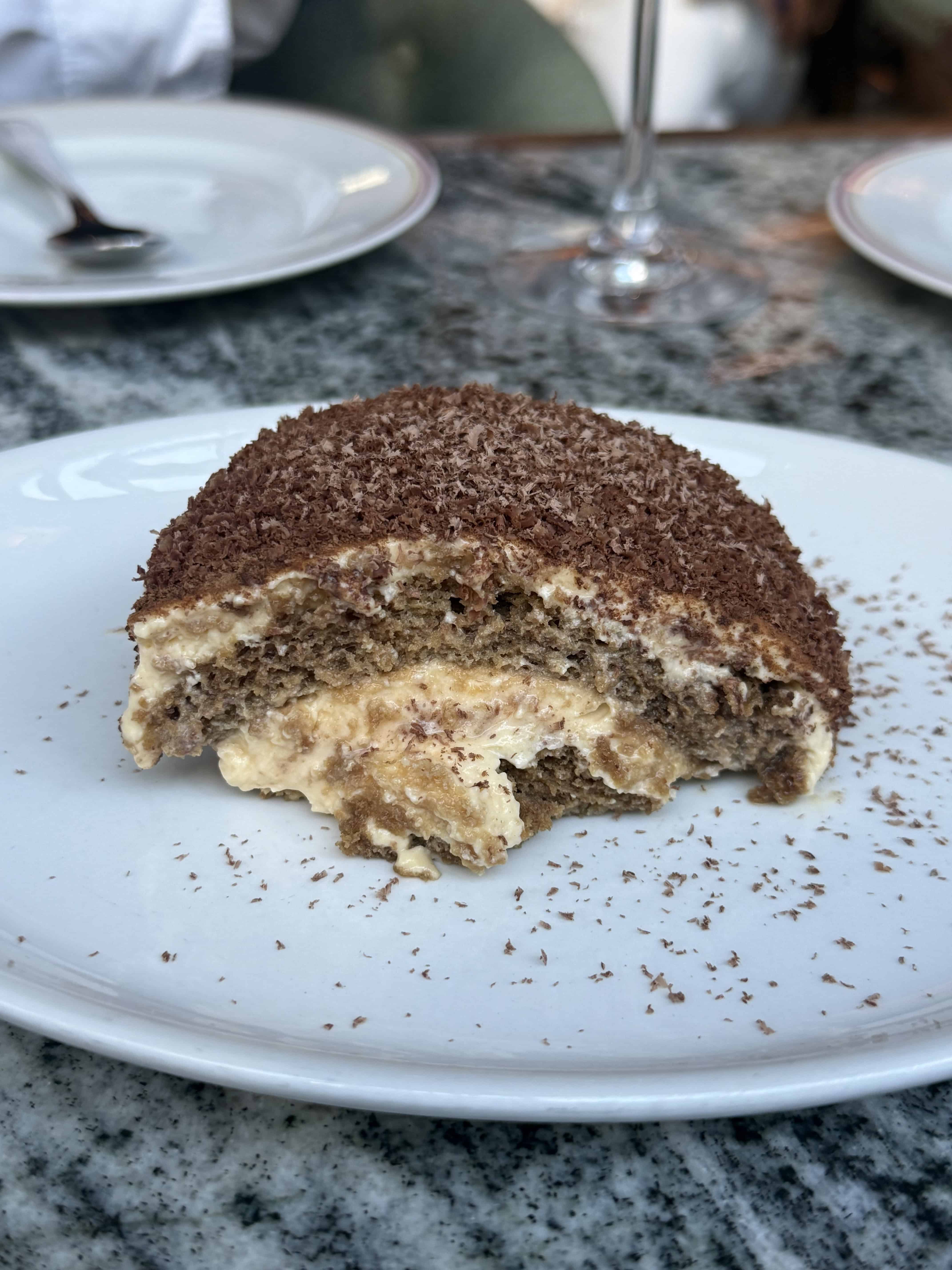
Aderes represents the formal restaurant industry in the Dominican Republic, while Asonahores operates as the primary trade association for the nation's hotel and tourism sector. San Marzano, located in the capital of Santo Domingo, provided the setting to showcase how local establishments integrate international techniques with regional hospitality.
Five Regional Culinary Destinations
A major development for Restaurant Week 2026 is its expansion to five distinct geographic areas across the country: Punta Cana, Santiago, Santo Domingo, Puerto Plata, and Jarabacoa. More than 200 venues will participate in the staggered itinerary throughout the month.
The culinary tour begins on the eastern tip of the island in Punta Cana, running from September 1 to September 6 with 26 participating restaurants. The festival then moves to Santiago in the northern inland region from September 7 to September 13, featuring 32 establishments.
Santo Domingo hosts the largest contingent of the festival from September 14 to September 20, with 112 restaurants opening their doors to special menus. The event concludes simultaneously from September 21 to September 27 in the coastal city of Puerto Plata and the mountain resort town of Jarabacoa, with 19 establishments participating in each location.
Each destination brings a unique focus to the culinary route. Organisers noted that the schedule connects the resort-focused dining of Punta Cana, the traditional food heritage of the central Cibao valley around Santiago, the cosmopolitan variety of Santo Domingo, and the specialized offerings of Puerto Plata and Jarabacoa to show how food can serve as a guide to exploring the country.
Menu Pricing and Digital Features
Participating restaurants and hotel dining rooms will offer standardized fixed-price menus during their designated festival weeks. Diners can select a two-course special menu for 1,595 Dominican pesos plus taxes, or a three-course special menu for 1,995 Dominican pesos plus taxes.
Full lists of participating venues, custom menus, and promotional benefits will be published on the digital tools of the Restaurant Week 2026 platform. The digital system will also enable diners to cast votes for their favorite dining establishments throughout the month.
Industry Leadership on Gastronomic Tourism
Giancarlo Bonarelli, the president of Aderes, said the goal for September is to spark a wider public conversation about Dominican gastronomy and the people who drive its development. He said the initiative serves as an invitation to discover and enjoy local cuisine from multiple perspectives.
Bonarelli added that behind every dish is a broad economic network of restaurants, agricultural producers, workers, and entrepreneurs who contribute directly to the national economy and cultural identity. He noted that the celebration aims to highlight this sector-wide effort and support the continued growth and international visibility of Dominican food.
Juan Bancalari, the president of Asonahores, highlighted gastronomy as a vital component of the tourism experience and an effective medium for revealing local identity. He said every dish and regional ingredient tells a portion of the country's history and heritage.
Bancalari added that celebrating Gastronomy Month encourages travel across different regions of the country, enriches the experience of international visitors, and helps position the Dominican Republic as a leading destination for culinary tourism in the Caribbean.