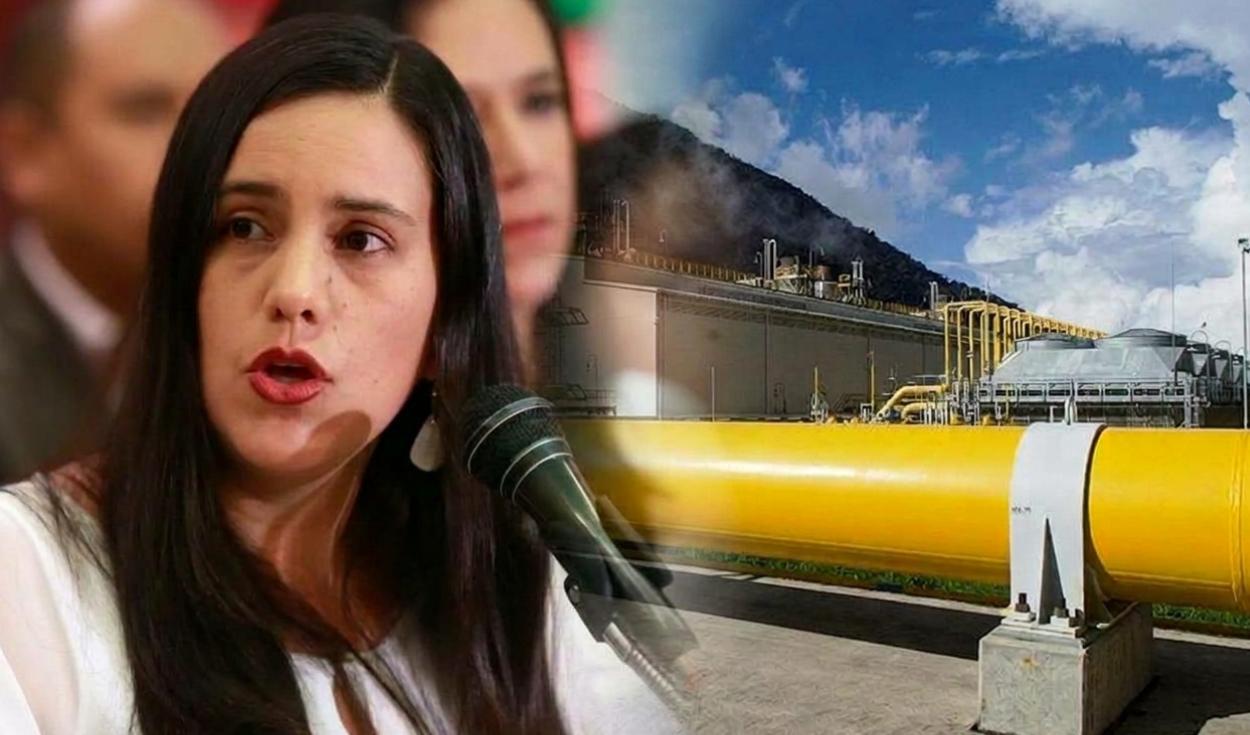
Verónika Mendoza, the regional governor of Cusco, Peru, has called on national authorities not to sign a proposed amendment to the gas concession held by Cálidda in its current form, arguing that the deal's connection targets for her region are far too low.
Mendoza made the comments to reporters after speaking at CADE Ejecutivos 2026, Peru's annual executive conference. She said the country needed to expand natural gas access immediately, but that Cusco could not accept what she called crumbs.
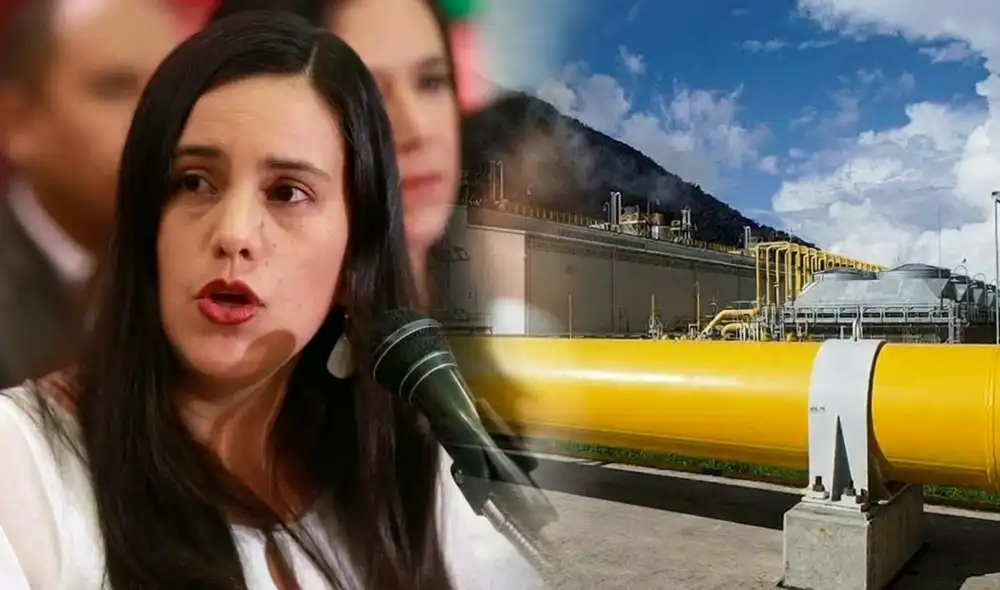
She said that after 22 years of gas extraction from the Camisea fields, families in Cusco had still not seen a real benefit, and that she would not accept offers she considered minimal given the scale of the region's needs. She singled out a plan to provide just 800 gas connections for the town of Quillabamba over ten years, calling it, in her words, practically disrespectful.
Demands for guarantees and a technical dialogue
Mendoza argued that genuine expansion of gas access requires building pipelines to Cusco and the wider Macrosur region, not only to supply households and transport but also to support industrial development there.
She said distrust of the project in Cusco stemmed from repeated promises and projects that were never carried out. She asked national authorities to provide guarantees, timelines, budgets and penalties for non-compliance, so residents could be confident the gas infrastructure would actually be built.
On the Cálidda amendment itself, Mendoza said gas should continue to be moved by truck from the central coast while pipeline construction proceeds, but criticized the proposal for covering only 30,000 households in Cusco, with an even smaller reach in the gas-producing areas themselves. She noted that a 2024 tender under the Bonogás program, run by Peru's Fund for Social Inclusion in Energy, had aimed to connect a thousand families in Quillabamba within a single year, a comparison she used to argue the current offer was inadequate.
She repeated that the current offer sounded like crumbs and a lack of respect, and asked that the amendment not be signed as it stands or imposed outright. Instead, she called for a dialogue and a transparent technical table involving the incoming regional authorities, since the current officials are leaving office.
Osinergmin's warnings on the amendment
The dispute centers on the Ninth Amendment to Cálidda's concession contract. Cálidda, formally Gas Natural de Lima y Callao, is the company that distributes natural gas in the Lima and Callao area under a long-running concession tied to the Camisea gas fields.
Peru's Ministry of Energy and Mines and the company are advancing a proposal involving $550 million in private investment to extend natural gas service to 15 localities across seven regions in central and southern Peru, including Ayacucho, Ucayali, Junín, Puno, Cusco, Apurímac and Huancavelica. The plan includes 3,738.9 kilometers of new gas networks, more than 300,000 consumers, and an extension of the concession through 2043.
Peru's energy regulator, Osinergmin, has already raised concerns about the amendment in a technical report. The regulator found that out of an estimated 300,613 consumers across the new localities, Cálidda's minimum committed connections would total only 201,411.
In four specific localities, Huamanga, Quillabamba, Huancavelica and Curimaná, the regulator said the minimum committed connections would cover between 20.1% and 30.4% of evaluated households, leaving most homes in those areas without a guaranteed connection for more than ten years.
According to the report, Quillabamba would see 884 committed connections against 4,391 evaluated households, or 20.1%. Huamanga would see 13,555 connections against 44,660 households, or 30.4%. Huancavelica would see 3,840 connections against 12,839 households, or 29.9%. Curimaná would see 230 connections against 1,100 households, or 20.9%.
Osinergmin also warned that the proposal does not guarantee a gas network will be available in front of the remaining homes, and noted that overall coverage would reach 67%, below the 70% minimum reference level. The regulator further flagged a rule that would allow Cálidda to install fewer connections in one zone and offset the shortfall in another zone by up to 20%.
What happens next
Mendoza called for a transparent technical dialogue table on the amendment involving incoming regional authorities, since the current officials are leaving office.
Test yourself
Who is calling on Peru's government not to sign the Cálidda gas amendment?
How many gas connections does the current proposal reportedly offer for Quillabamba over ten years?
According to Osinergmin, what share of evaluated households in Quillabamba would get a guaranteed connection under the minimum commitment?
Have your say
Should Peru's government renegotiate the Cálidda gas amendment before signing it?
Where it happened
Cusco, Peru