

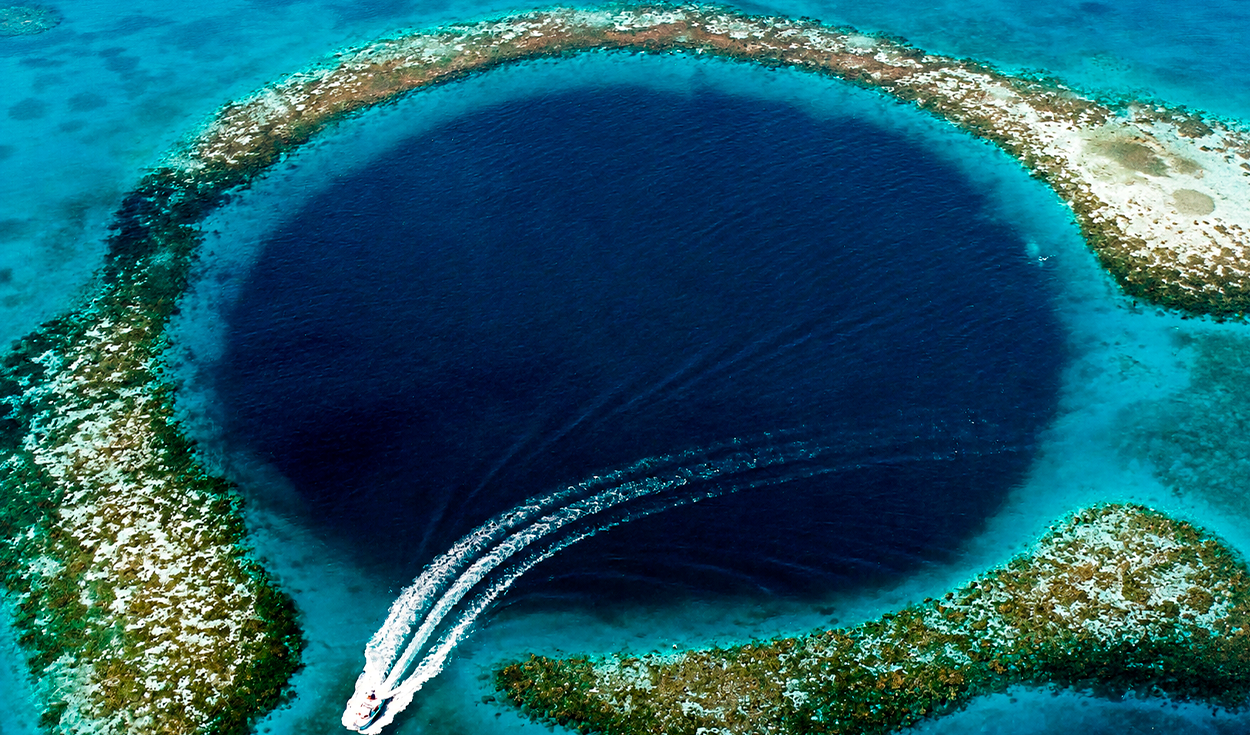
The deepest known point on Earth lies in the western Pacific Ocean, a vast underwater chasm that draws geologists, marine biologists and engineers for its extreme conditions. The U.S. National Oceanic and Atmospheric Administration (NOAA) classifies it as the deepest recorded location in the world.
The site is called Challenger Deep, and it rests within the Mariana Trench, roughly 200 kilometers east of the Mariana Islands and near Guam. NOAA places its depth at 10,935 meters, though scientific expeditions using different sonar techniques have recorded even greater measurements.
The scale of Challenger Deep becomes clear when set against Mount Everest. Nepal and China jointly measured the world's tallest mountain at 8,848.86 meters in 2020. Placed at the bottom of the abyss, Everest's peak would still sit more than two thousand meters underwater.
Origins in Plate Tectonics
According to the U.S. Geological Survey (USGS), Challenger Deep formed through a subduction process in which the Pacific Plate sinks beneath the Mariana crustal plate. That plate movement generates some of the deepest ocean trenches in the world and plays a central role in the tectonic activity of the Pacific Ring of Fire.
Extreme Conditions, Surprising Life
Reaching the floor of the Mariana Trench remains possible only for a small number of ocean expeditions. Water pressure at that depth exceeds 1,000 atmospheres, a force NOAA describes as equivalent to the weight of roughly 50 Boeing 747 aircraft pressing down on a single person. Only specially engineered submersible vehicles can survive conditions that would destroy conventional equipment.
Despite the hostile environment, researchers have documented remarkable biodiversity. Studies published in the journal Nature Ecology and Evolution identified the Mariana snailfish (Pseudoliparis swirei) as the deepest-dwelling vertebrate on record. The translucent, scaleless fish has a gelatinous structure suited to surviving at extreme depth. Giant amphipods, small crustaceans that feed on decomposing organic matter sinking to the ocean floor, also inhabit the trench. At the base of the food chain, bacteria and archaea form the nutritional foundation for the entire hadal ecosystem.
Evidence of Human Reach
Researchers have also found signs of human impact even at these remote depths. Multiple analyses confirmed the presence of microplastics and synthetic residues accumulated in abyssal sediments, offering direct evidence of the global reach of environmental contamination.
NOAA has noted that scientists know more about the surface of some planets than about Earth's own ocean floor, underlining how much remains unknown about the deep sea.


