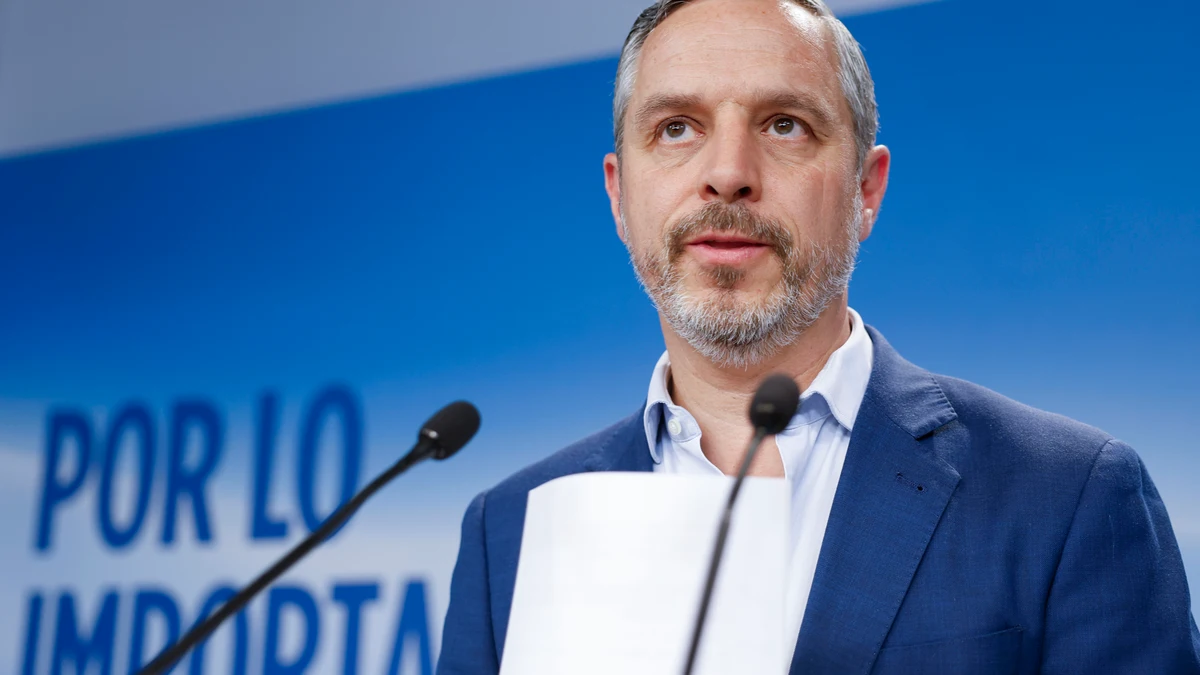
Juan Bravo, the Popular Party's deputy secretary for Treasury, Housing and Infrastructure, used the first televised debate of Spain's election campaign to call for deep tax cuts targeted at the middle class and low earners.
Bravo said the middle class had been "the most mistreated" by the current government and proposed cutting personal income tax, known in Spain as the IRPF, along with eliminating income tax altogether for workers earning the minimum wage.
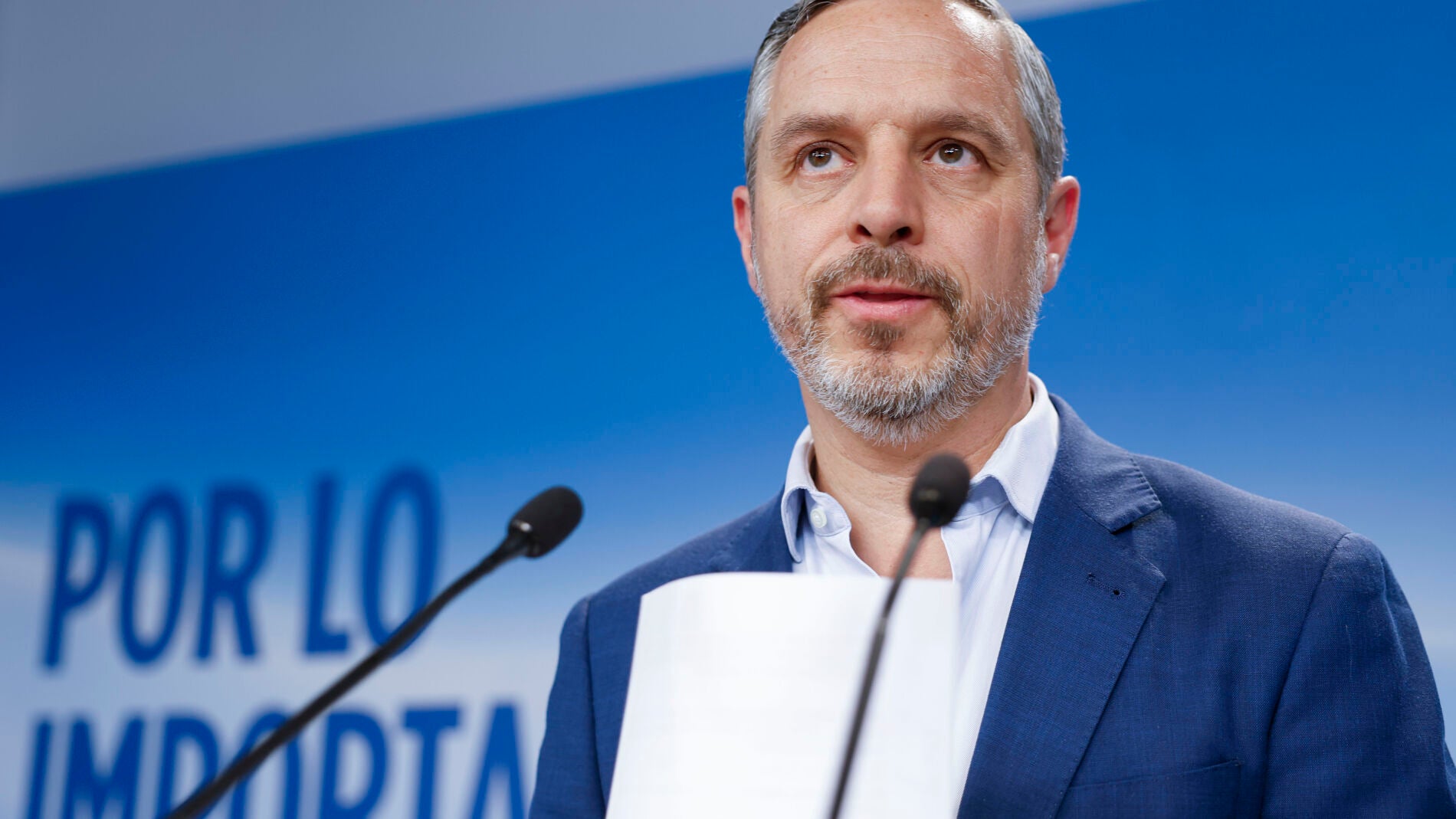
To ease household budgets, Bravo proposed cutting value added tax on basic foods to 0% for as long as inflation persists, alongside further tax measures on energy and transport bills. He also argued for cutting administrative spending, simplifying regulation and making it easier for businesses to operate.
Housing proposals
On housing, Bravo set a target of building one million homes over the next four years. He proposed helping young people buy their first property through state guarantees and tax breaks, including a 30% reduction in taxes on first-home purchases.
He also called for incentives for landlords who renew rental contracts, as part of a broader push to increase the housing supply and ease access to both buying and renting.
Falling wages and rising taxes
Bravo said real wages had fallen 3.8% and that more than 20% of Spanish households now consider themselves poor, up from just over 3% in 2020. He said the government had raised taxes more than 100 times and that each citizen now pays 4,000 euros more in taxes as a result.
In his closing remarks to voters, Bravo said the government had launched a message of fear, but argued that change was necessary to regenerate Spain and help the country recover.
Background
The Popular Party is Spain's main conservative opposition party. Bravo, who leads the party's economic policy under its Treasury, Housing and Infrastructure portfolio, has repeatedly positioned himself as the party's chief critic of the government's fiscal record ahead of the general election scheduled for 29 November.
Television debates are a traditional fixture of Spanish general election campaigns, giving party representatives a chance to set out competing economic platforms directly to voters before they go to the polls.