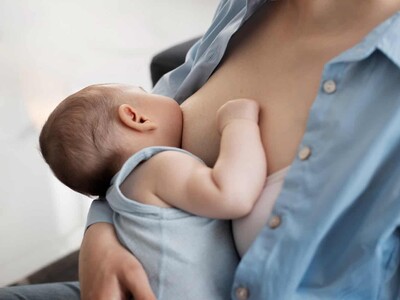
Breastfeeding mothers expend between 300 and 500 calories every day to produce milk, creating a physical demand comparable to moderate exercise, health experts noted.
Marking World Breastfeeding Week, medical specialists detailed how milk production impacts the maternal body and why adequate nutrition remains essential for the health of both mother and infant. The process represents one of the most physically demanding functions of the human body, requiring continuous metabolic work to generate a nutrient-rich food supply.
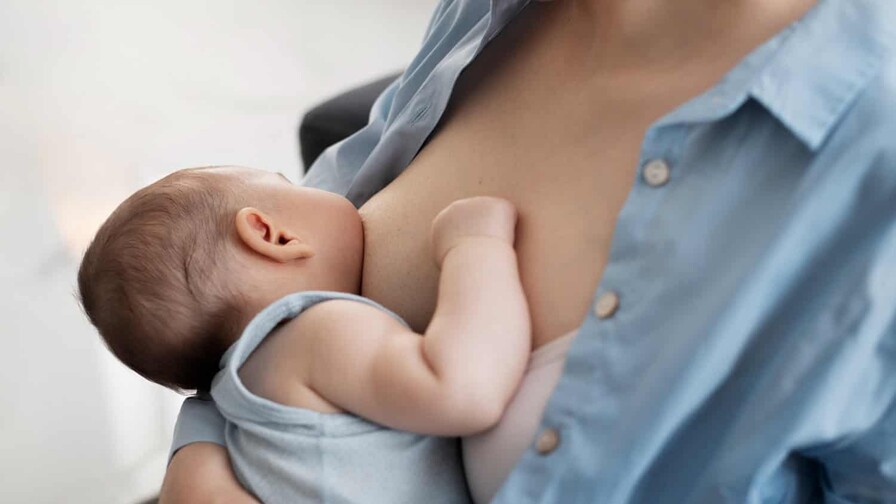
World Breastfeeding Week is observed annually in August to raise global awareness about maternal health and child nutrition. The campaign highlights evidence-based health guidance for new mothers during the postpartum period.
Caloric Expenditure and Physical Demand
Specialists noted that burning 300 to 500 calories daily through lactation is equivalent to the energy used during moderate physical activity, such as a brisk walk or a light jog. This energy requirement increases the mother's daily nutritional needs while her body adapts to sustaining the baby.
The exact amount of energy used varies from person to person. Factors such as maternal body weight, the baby's age, feeding frequency, and whether the infant receives exclusive breast milk or supplemental formula all influence individual calorie consumption.
Postpartum Weight Loss and Recovery
Many women experience gradual weight loss following childbirth while nursing, as the body draws upon stored energy reserves to maintain milk production. However, medical experts warned that weight loss should not be the primary focus during the immediate postpartum phase.
Physical recovery after pregnancy and delivery requires significant energy. Restricting caloric intake during this period can compromise maternal health and slow down the body's natural healing process. Experts emphasized that healthy weight loss must happen gradually through balanced and sufficient nutrition.

Nutritional Guidance for Nursing Mothers
The Office on Women's Health, a public health organization focused on female wellness, stated that maintaining a healthy diet during lactation is vital to meet the nutritional requirements of both mother and child. A balanced food plan ensures that maternal nutrient stores are not depleted.
Addressing common changes in appetite, the American Academy of Pediatrics explained that a heightened appetite is a normal biological response to elevated caloric demands. The organization advised mothers to focus on nutrient-rich foods, consume adequate protein, include healthy fats, remain well hydrated, and avoid restrictive eating plans that lead to fatigue and hinder recovery.
Rather than adopting the traditional concept of eating for two, healthcare professionals recommend prioritizing high-quality foods that maintain steady energy levels and support consistent milk production.
Direct Breastfeeding Compared to Pumping
Both direct nursing and milk extraction involve substantial energy expenditure, though experts noted subtle differences between the two methods. Direct breastfeeding at the breast typically burns slightly more calories because infant suction stimulates milk production more efficiently.
Mothers who express milk exclusively using a breast pump still undergo significant metabolic effort. Their bodies continue to produce milk continuously to fulfill their infant's nutritional requirements, ensuring that energy demands remain high regardless of the feeding method.