The Brazilian federal government is bracing for fierce resistance in the National Congress after sending a provisional measure that bans online betting in Brazil.
Officials at the Palacio do Planalto evaluate the upcoming political battle as intense, and aides inside the presidential administration are internally describing the confrontation as a war.
According to reporting by CNN anchor Taina Falcao on the program Bastidores CNN, presidential aides completed a measured assessment showing that federal deputies and senators will exert significant pressure against the text, especially after the upcoming elections. The government has taken into account the substantial political leverage that online betting companies now command inside parliament.
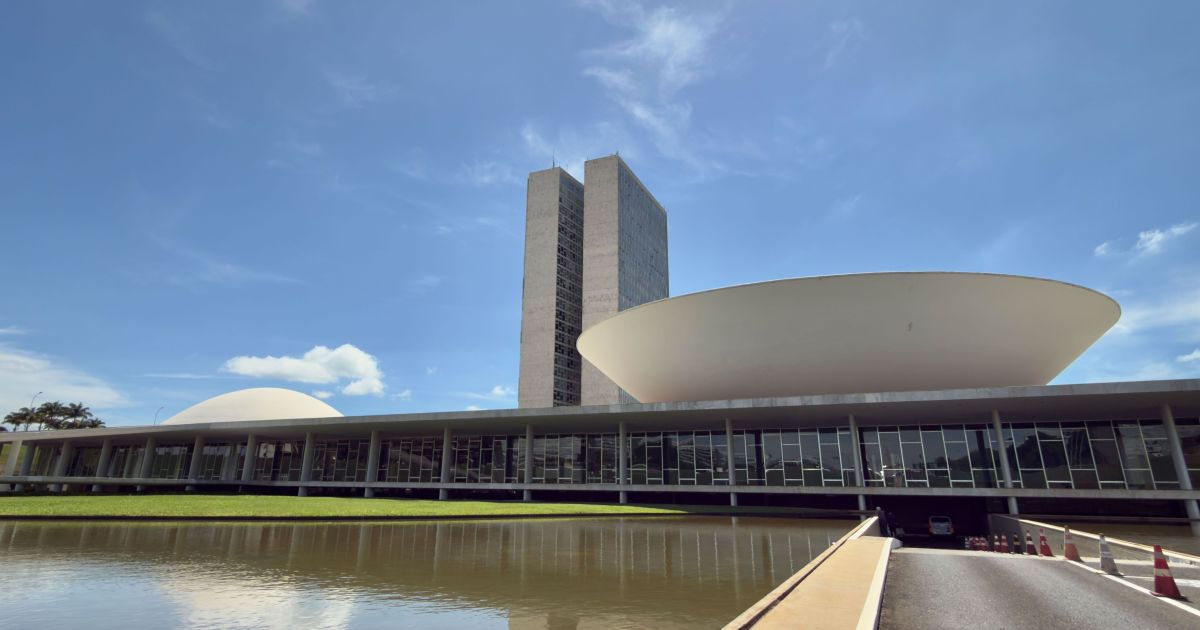
The Palacio do Planalto serves as the official workplace of the Brazilian presidency in Brasilia, while the National Congress is the country's bicameral legislature, composed of the Chamber of Deputies and the Federal Senate. In Brazil, a provisional measure is an executive decree that carries immediate legal force, but lawmakers must vote on it to make it permanent law.
Congressional betting caucus
Inside the National Congress, an informal group of lawmakers known as the betting caucus maintains direct contact with the gambling industry. These federal deputies and senators are preparing to push for major alterations to the presidential decree before any final vote takes place.
One option under discussion in Congress would grant financial relief to the companies affected by the prohibition. However, the declared goal of the betting firms is to overturn the provisional measure entirely, an effort that industry figures believe will depend heavily on who occupies the presidency of the Republic.
The commercial gambling sector has already begun organizing collective opposition. The National Association of Games and Lotteries, known as the ANJL, indicated that it will wait for the election results before launching a full lobbying campaign, though it has already raised the possibility of seeking collective relief in court.
The Brazilian Institute for Responsible Gaming, known as the IBJR, announced that it will seek direct talks with the National Congress, signaling that it no longer sees an opening for dialogue with the federal administration. Both industry groups argue that their companies paid substantial concession fees to the state and made major capital investments following regulations created by the federal government itself.
Commercial sports wagering platforms expanded rapidly across Brazil after federal lawmakers approved preliminary regulatory legislation in 2018. Over the following years, these digital betting operators grew into prominent commercial sponsors across domestic media and sports broadcasts.
Pushback from Brazilian football clubs
Professional football represents another major front of political pressure against the ban. Brazilian clubs and sponsored companies were particularly angered by the administration's decision to enact an immediate prohibition without providing any transition period.
Club executives argue that their annual financial planning already depends on revenue guaranteed under existing sponsorship agreements with online betting brands. The sudden loss of that commercial income threatens to disrupt their balance sheets.
Representatives from clubs in Serie A and Serie B are scheduled to meet with federal officials to examine emergency options, including the creation of credit lines or debt renegotiation programs. The clubs intend to take those proposals to the National Congress later.
Serie A and Serie B form the top two tiers of the Brazilian national championship, the Campeonato Brasileiro. In recent years, online betting firms have become the primary shirt sponsors for most major clubs, providing vital funding for team payrolls.
The federal government itself faced internal divisions over the lack of a transition period. One group within the administration argued that ministers should negotiate with clubs and betting firms, granting them a grace period before the decree took effect. Another group insisted that a prohibition had to remain strictly restrictive from the start, without concessions.
Electoral strategy and legislative timetable
Political analyst Clarissa Oliveira pointed to a calculated electoral strategy behind the government's decision to use a provisional measure. By issuing an executive decree, the federal government passes the entire burden of negotiation and legislative compromise onto the National Congress to determine the final rules.
President Luiz Inacio Lula da Silva of the Workers' Party stands to harvest political support from the ban among key voting blocs, particularly women and evangelical voters, who express intense opposition to online betting. The maneuver allows the president to gain credit with these groups without having to present a permanent legislative solution.
Oliveira said the federal administration was shifting all negotiation and coordination to the National Congress to define concrete points. She explained that enacting a linear and immediate ban on the eve of the elections served a clear goal of reaping political rewards at the ballot box.
Under Brazilian law, a provisional measure remains valid for 60 days and can be extended once for another 60 days, giving Congress up to four months to deliberate. Because the timeline stretches over months, the final outcome will fall to whoever leads the country during the next presidential term, whether Lula in a new mandate or another leader.