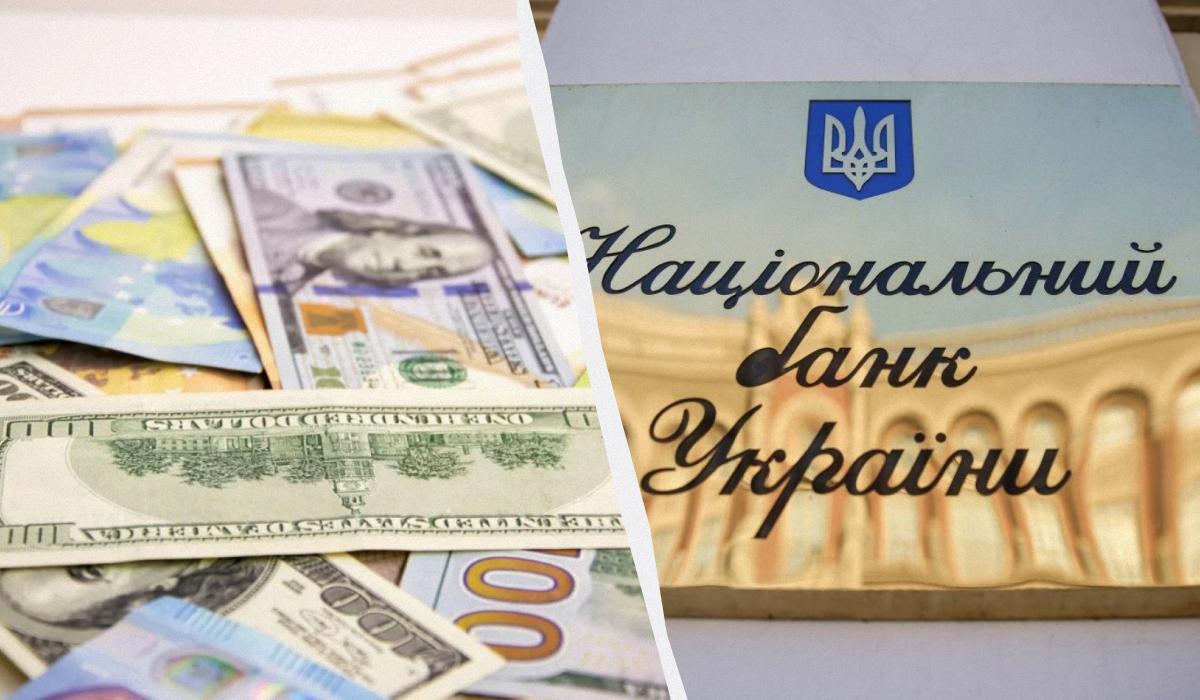
Belgium has rejected proposals from four European Union member states to use roughly 200 billion euros of frozen Russian assets to fund Ukraine.
Belgian Defence Minister Theo Franken said the issue was not negotiable and that the door was closed to restarting discussions on the financial mechanism.
His comments followed a joint request this week from Sweden, Poland, the Netherlands, and Spain asking the European Commission to investigate new ways of mobilizing the immobilized funds. The news website Euractiv first reported the stance taken by Brussels.
At a European summit in December, Belgian Prime Minister Bart De Wever blocked an initiative by Germany and the European Commission to grant Ukraine a 210 billion euro reparations loan. De Wever argued that the scheme would expose Belgium to severe legal sanctions from Russia.
Most of the frozen Russian state assets held within the European Union are stored at Euroclear, a major financial services company and central securities depository headquartered in Brussels. Belgian officials fear that seizing or leveraging those funds could expose the country to direct legal action from Russia.
De Wever also stated in January that the total confiscation of state assets of the Russian Federation immobilized within the bloc would be an act of war.
Legal risks and government stance
The firm tone from Franken stands in contrast to remarks made earlier this month by Belgian Foreign Minister Maxime Prevot. Prevot appeared to leave open the possibility of utilizing the frozen assets, provided that all legal liability was distributed fairly across European Union member states.
Prevot stated that Belgium saw no readiness from other countries to share the potential risks arising from confiscating the assets. He suggested that Belgium prefers using the immobilized funds as leverage in negotiations with Russia.
In their joint letter to the European Commission, the four nations acknowledged the legal risks involved in using Russian assets. Sweden, Poland, the Netherlands, and Spain noted that no single country should bear an unfair weight for supporting Ukraine.
Upcoming foreign ministers meeting
European foreign ministers will debate the issue and evaluate potential financial strategies for Ukraine at an upcoming meeting in Ireland next week.