
Peruvian author and lawyer Augusto Effio has launched a sharp critique of contemporary Peruvian literature, calling it deeply boring and disconnected from national reality following the international release of his debut noir novel, Nuestros Venenos.
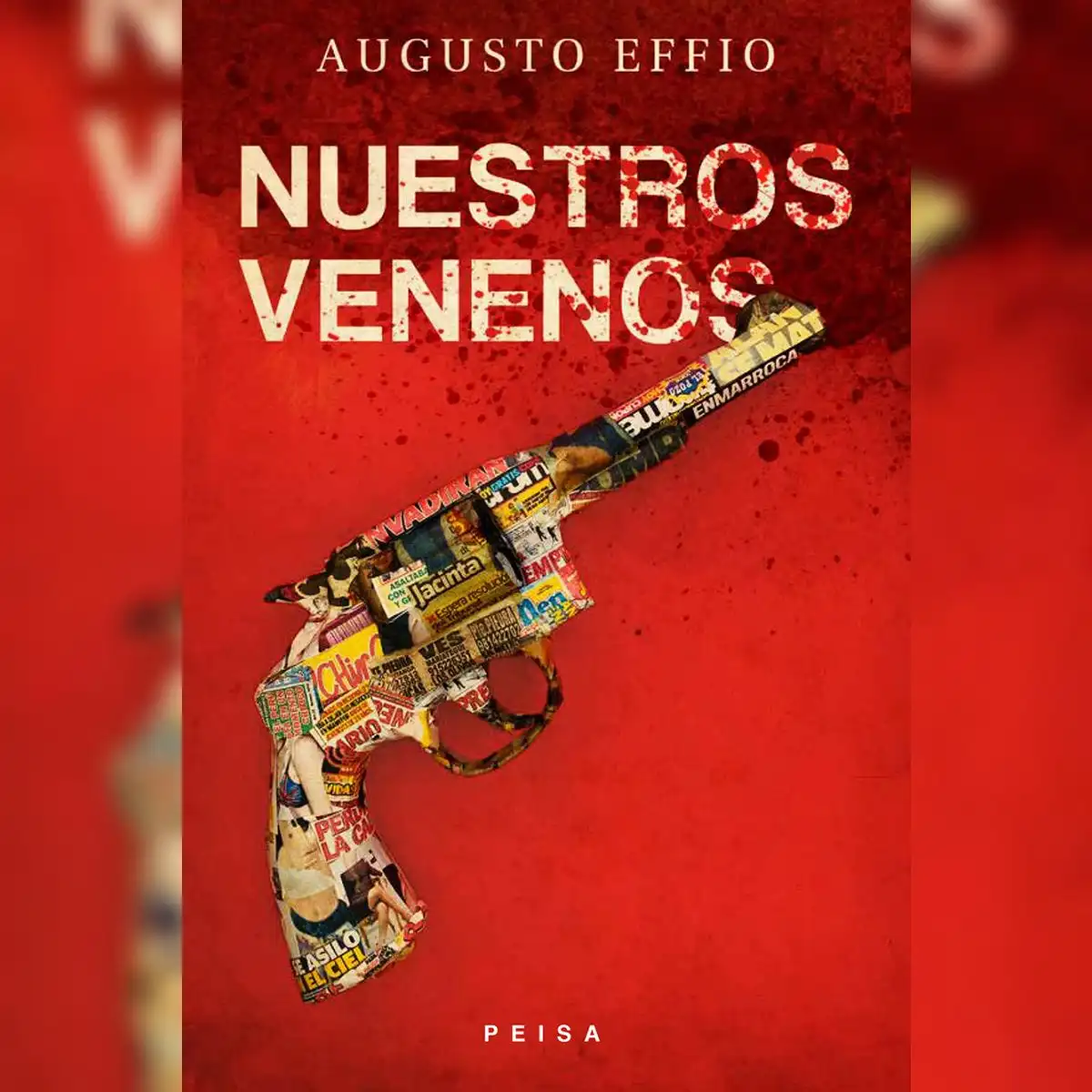
The book, published in Peru by Peisa in 2024 and reissued in Argentina by Alfaguara in 2026, uses the 2019 suicide of former president Alan Garcia as a backdrop to examine systemic corruption and moral decay across South America's central Andean nation.
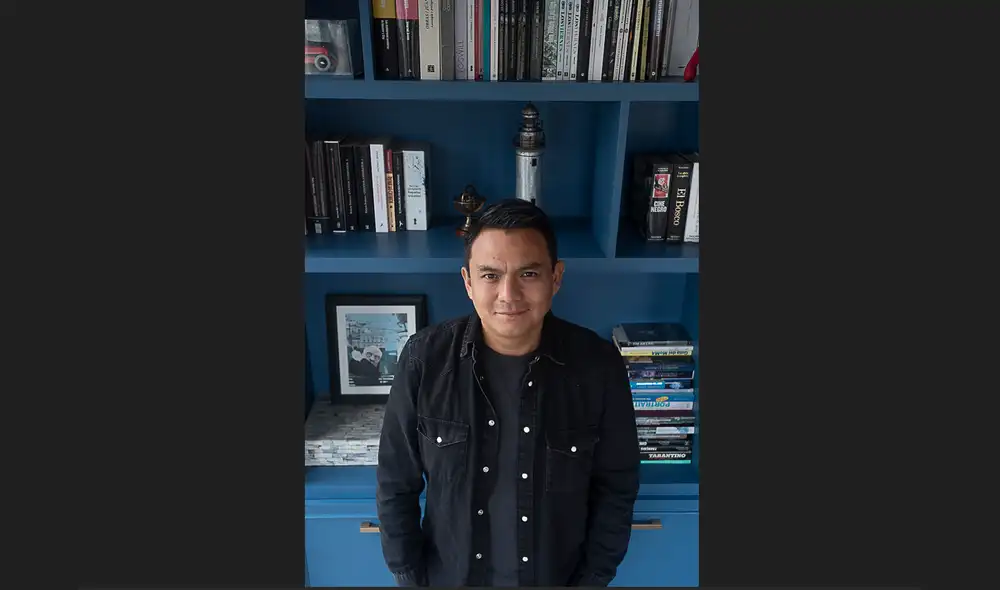
Effio, who previously earned critical acclaim for two short story collections, works as a corporate attorney handling high-value commercial transactions in Lima. His transition into long-form fiction combines his firsthand professional observation of financial deals with crime fiction conventions to produce a novelised chronicle of modern Peruvian society.
Criticism of contemporary Peruvian fiction
Speaking in an interview with journalist Gabriel Ruiz Ortega for La Republica, Effio explained that he felt frustrated by the current direction of Peruvian narrative. He said national authors frequently focus on stories of dysfunctional families while ignoring dramatic real-world events such as the death of Garcia, which offered rich material for fictional exploration.
Effio noted that he sought the same sense of vertigo in literature that he experienced daily in his legal career, where he routinely managed complex corporate cases and oversaw large sums of money. He identified award-winning author Gustavo Rodriguez as a rare exception in national literature, praising Rodriguez for his ability to write entertaining narratives that engage readers.
Reflecting on the reception of Nuestros Venenos, Effio stated that his original ambition was for the novel to be sold alongside Alex Broca's book at newspaper stands so it could reach both regular readers and people unaccustomed to reading books. During the presentation of the Argentine edition at the Buenos Aires International Book Fair, known as FILBA, alongside writer Horacio Convertini, an Uber driver messaged Effio on Facebook to report that he had purchased and enjoyed the book after hearing an interview.
Scarcity of crime fiction and literary solemnity
Effio highlighted a structural deficit in Peruvian publishing, explaining that police procedurals focus on solving individual cases whereas noir novels portray the broader moral atmosphere of a society. He observed that Peru possessed all the necessary social conditions for a thriving noir tradition but lacked dedicated editorial initiatives to build a dedicated reader base for the genre.
He added that the local literary establishment treated writing with excessive solemnity, invoking notions that literature was sacred or mystical. According to Effio, this attitude led critics and authors to treat books that flirted with popular culture, entertainment, or dramatic reader impact with disdain.
Creation of Ulises Tumialan and non-idealised characters
Addressing the creation of his protagonist, Ulises Tumialan, Effio described the character as a sordid attorney whose life blended greed, blackmail, sexual intrigue, forged court rulings, and corrupt judicial schemes. Effio explained that he encountered unscrupulous individuals like Tumialan every day in his legal practice, making it natural to incorporate those experiences into fiction alongside the real-life setting of Garcia's suicide.
Effio stated that he aimed to construct a narrative device capable of competing with television series rather than adhering to solemn literary tropes. He insisted that the male and female characters in Nuestros Venenos were realistic figures who were neither saints nor idealised role models, but individuals driven by personal ambition and the demands of basic survival.
Rejection of suburban styles and political correctness
The author expressed surprise that contemporary Peruvian writers continued to depict national reality using narrative techniques associated with American suburban author John Cheever. Effio warned that political correctness was forcing writers into safe thematic enclosures, where authors feared social media cancellation if their representation of groups such as women deviated from accepted norms.
He argued that this dynamic turned Peruvian literature into a domain of self-help and entrepreneurial messaging focused on edifying, optimistic narratives. Addressing his own stylistic evolution, Effio noted that while his first two short story collections relied on polished, precious prose, he now viewed such writing as frivolous when it prioritised aesthetic phrases suitable for social media posts over substantive storytelling.
Everyday corruption and Garcia's legacy
Effio drew a distinction between historical accounts of political violence and the everyday impact of public corruption. He explained that while literature about Peru's internal conflict once guaranteed prominent placement in bookstore displays, corruption represented a daily form of apolitical violence that inflicted widespread damage yet received minimal attention from contemporary fiction writers.
He clarified that Nuestros Venenos did not focus directly on the act of Garcia's suicide, but rather on the social fallout and urban legends that emerged afterward, including popular conspiracy theories claiming the former president remained alive. Referencing an ironic journalistic maxim featured in his novel that warned against letting the truth ruin a good story, Effio concluded that the most compelling aspect of the event was the sheer variety of conflicting accounts held by the public.