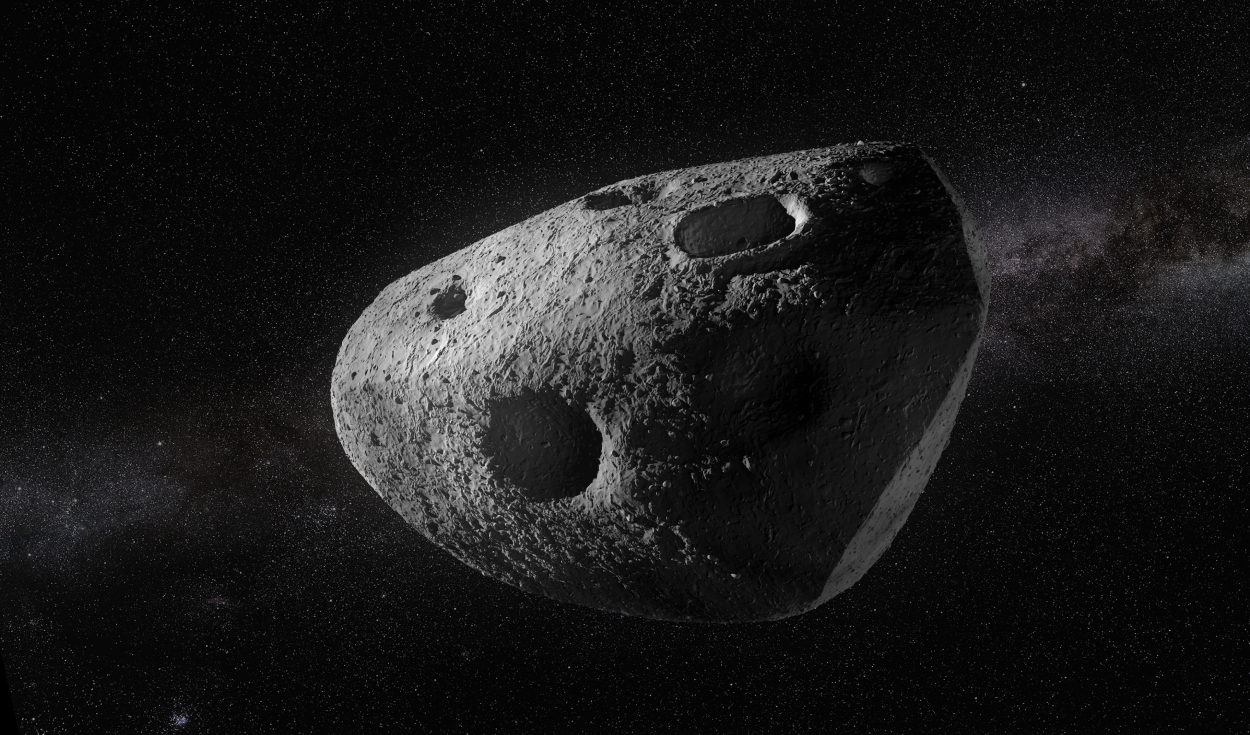
Asteroid 99942 Apophis will pass less than 32,000 kilometers from Earth on April 13, 2029, giving scientists a close look at the space rock.
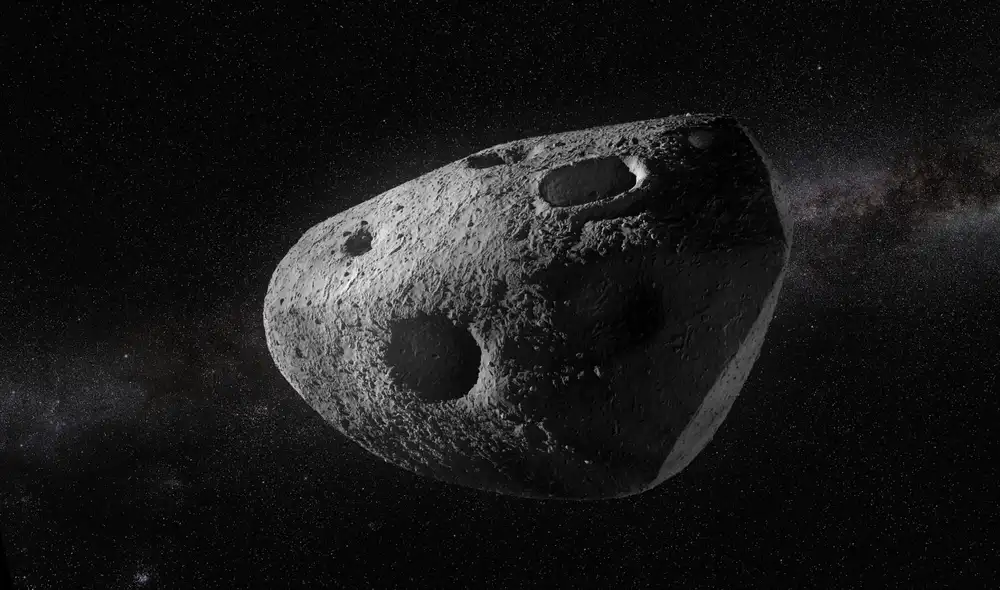
The space rock measures about 370 meters in length. Calculations show its trajectory with high precision, and existing analyses indicate it poses no immediate threat to Earth.
Scientists are interested in what will happen during the close approach because Earth's gravity could alter features of the asteroid. Researchers expect possible changes in its rotation, material landslides, and surface seismic movements. These alterations could provide clues about layers hidden beneath the exterior of the rock.
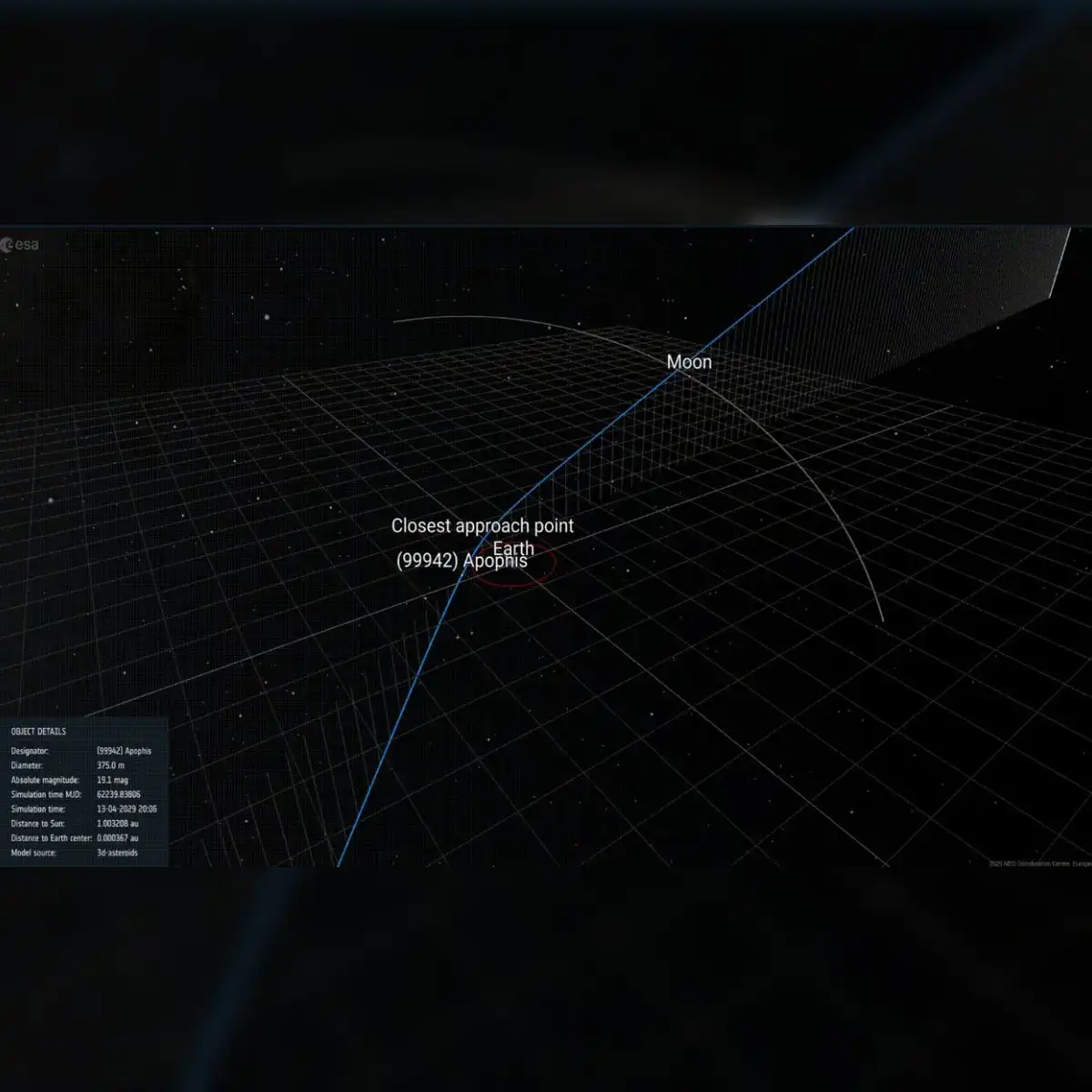
Two space missions will examine Apophis in detail. The European Space Agency is preparing the RAMSES mission, while NASA will use the OSIRIS-APEX spacecraft. Any detected change during the encounter will help researchers better understand how these space bodies behave.
Space Debris Threat
A study published in The Planetary Science Journal warns that human-made space debris could interfere with observations. Researchers from the Nello Carrara Institute of Applied Physics at Italy's National Research Council studied whether artificial fragments could meet Apophis near geostationary orbit.
Astrodynamicist Alessandro Rossi told ScienceAlert that he wondered about potential debris impacts after watching animations of the asteroid's path during its closest approach. Rossi, an expert in space debris and asteroid dynamics, said any impact would not significantly alter the asteroid's orbit.
Rossi explained that a collision would likely create a small crater and a plume of ejected material. A spacecraft could detect both features depending on their size, and the spacecraft itself would remain unaffected by the debris cloud.
Data Collection Challenges
The main concern involves scientific data. An unexpected impact before observations would make it harder for researchers to separate the effects of Earth's gravity from those caused by a collision.
To perform their calculations, the Italian researchers included known objects in the geostationary region about 36,000 kilometers high, along with undiscovered fragments. Most space debris remains in orbits closer to Earth, but some objects reach higher altitudes.
Small fragments are much harder to locate and track than large objects. Rossi said the approach of Apophis should drive more complete space surveillance before 2029. In the coming years, new telescopes in the European space surveillance system will work to improve tracking of objects in high orbits.