A SpaceX Falcon 9 upper rocket stage will collide with the surface of the Moon on Wednesday after drifting uncontrollably through space for years following its mission. NASA's Center for Near-Earth Object Studies estimated that the object will hit at a speed exceeding 8,000 kilometers per hour without posing any danger to Earth.
Independent astronomers reconstructed the trajectory of the rocket stage using publicly available information. Their calculations confirmed that the upper stage was following a flight path that would accidentally end on the lunar surface.
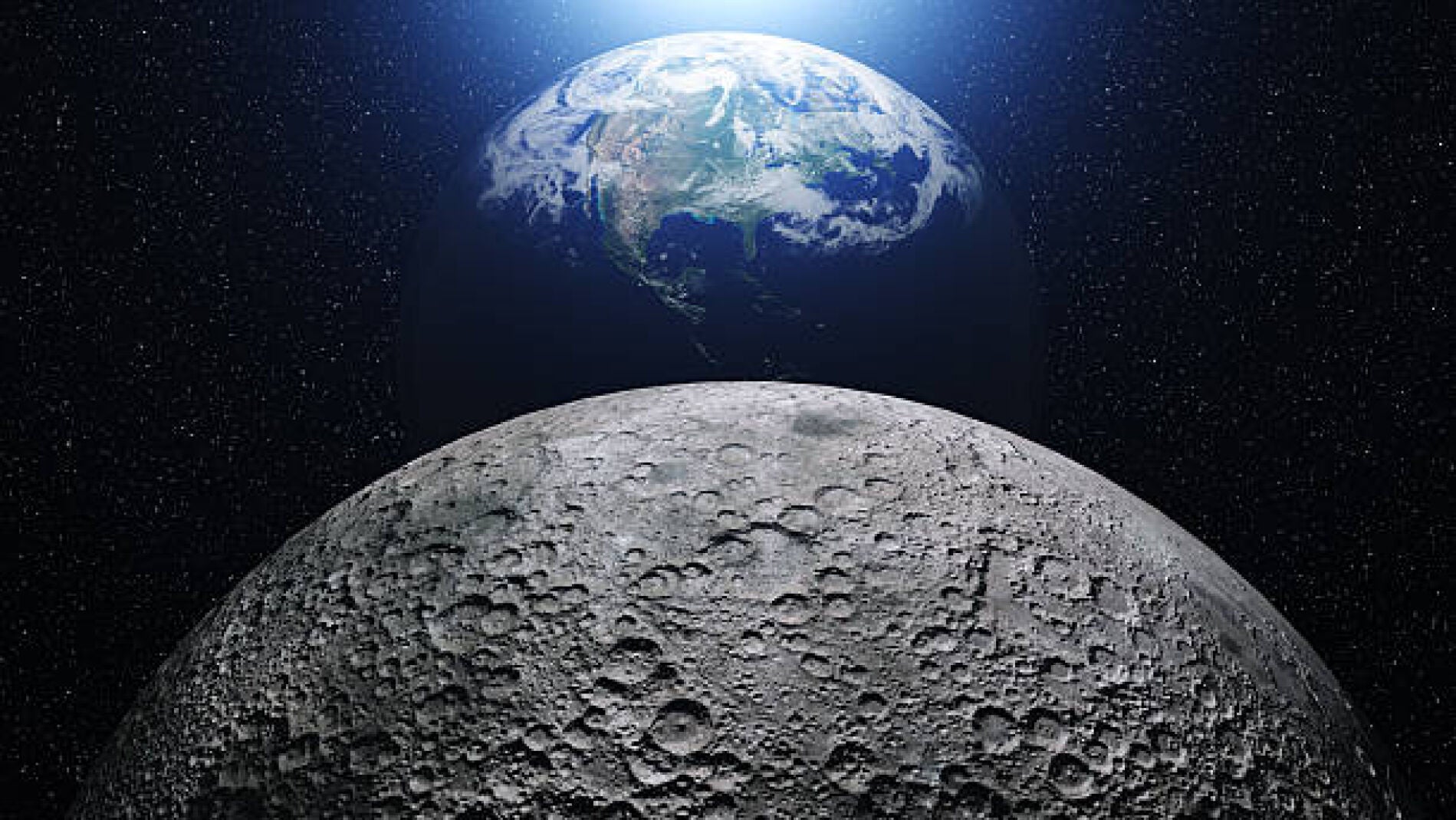
NASA explained that the impact will be monitored closely for scientific purposes and as an observational exercise. The space agency reiterated that the event carries no risk to Earth.
The Falcon 9 was originally used in a mission to transport modules and scientific equipment to the Moon. Although some components of the rocket are designed to return and be reused, the upper stage remains in space after separating from its payload and can stay there for years until striking another celestial body.
Impact details near Einstein crater
The piece hitting the Moon is roughly the size of a five-story building and weighs close to four tons. Astronomer Bill Gray, who calculated the object trajectory, estimated that the collision will take place near the Einstein crater.
Gray calculated that the crash will form a new crater about 17 meters in diameter and launch approximately one million kilograms of dust and fragments into space. Researchers expect the collision to generate a substantial cloud of debris.
Because the Moon lacks an atmosphere and has lower gravity, the rocket stage will reach the lunar surface with almost no reduction in speed, resulting in an exceptionally intense impact. The resulting flash will not be visible to the naked eye from Earth, but high-powered telescopes may record the moment of collision.
Space debris concerns and history
Beyond its scientific interest, the accident has reopened debate about the growing problem of space debris. The European Space Agency reported that about 54,000 objects larger than 10 centimeters are currently orbiting Earth.
The European Space Agency also noted that humanity has launched nearly 17,000 tons of material into space since the beginning of the space age in 1957.
Lunar impacts of this kind are not unprecedented. In 2022, the upper stage of a Chinese Long March 3C launcher crashed into the far side of the Moon, and NASA previously conducted controlled impacts during the Apollo missions to analyze the composition of lunar soil.