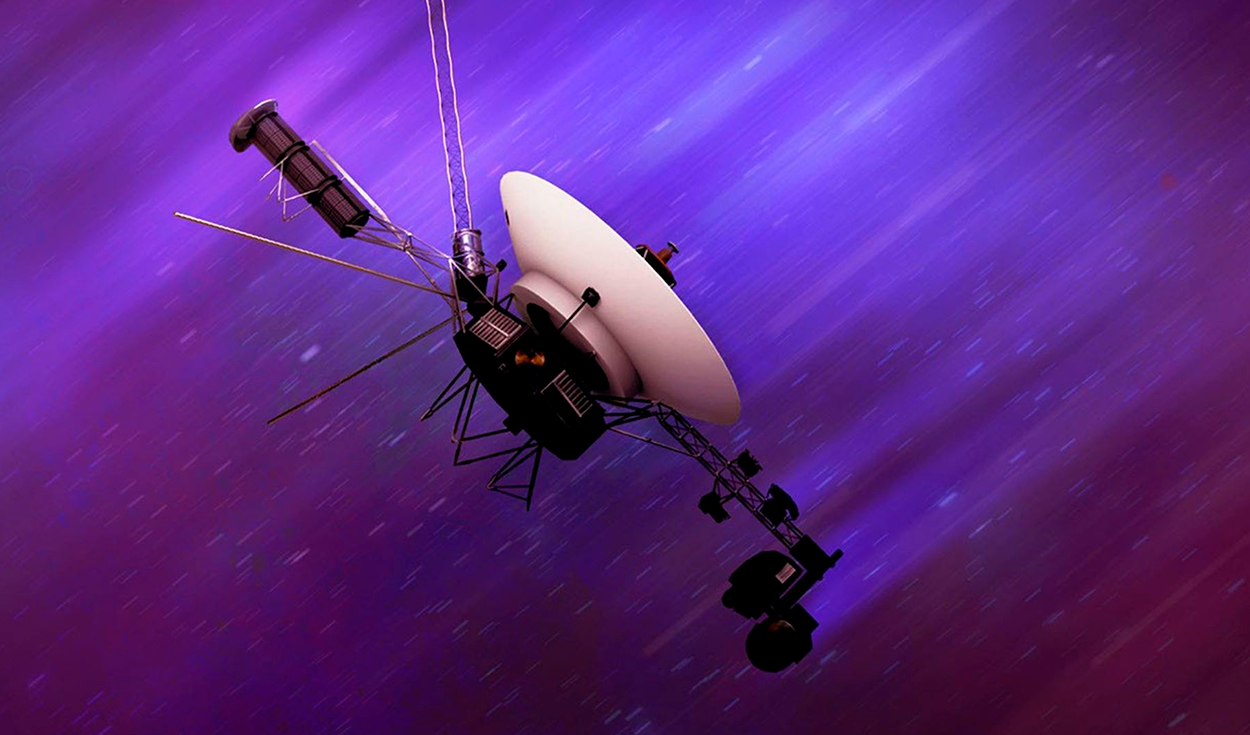
NASA shut down several high-energy consumption devices on the Voyager 2 spacecraft to extend its operational life by at least another year, the agency announced on Wednesday. Mission controllers at the Jet Propulsion Laboratory, known as JPL, activated lower-power alternatives and adjusted system operations to keep the 49-year-old probe at a safe temperature.
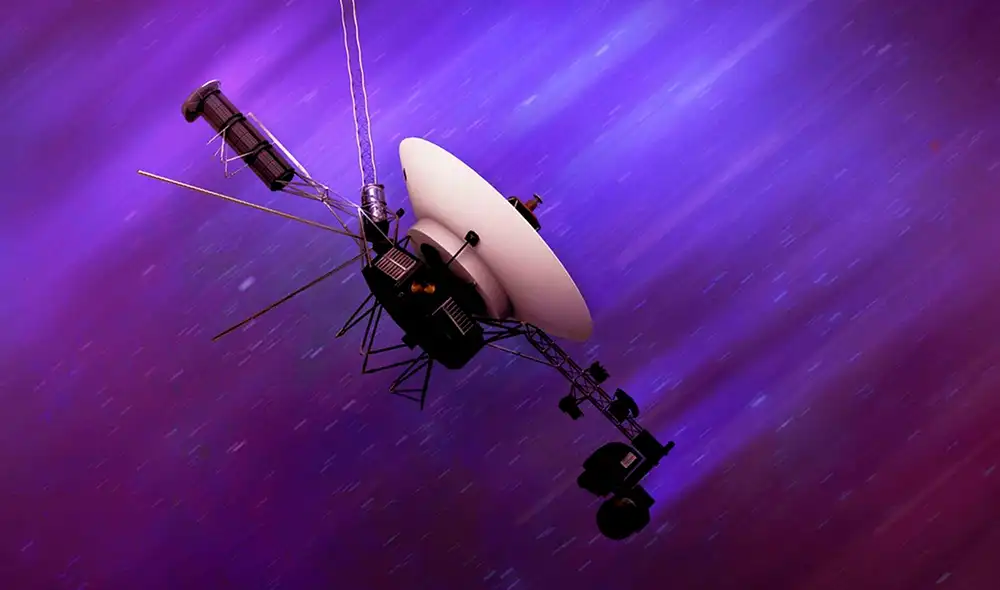
The Voyager 2 spacecraft receives electricity from a radioisotope thermoelectric generator, which converts heat produced by the decay of plutonium into electrical power. Over its mission of nearly 50 years, the spacecraft has lost about four watts of electrical capacity each year, forcing engineers to turn off various instruments and systems to conserve energy.
Voyager 2 launched on August 20, 1977, sixteen days before Voyager 1 lifted off on September 5, 1977. Voyager 2 followed a trajectory that allowed it to visit Jupiter, Saturn, Uranus and Neptune. Voyager 1 arrived at Jupiter and Saturn earlier, crossing the heliopause into interstellar space in August 2012, while Voyager 2 reached interstellar space in November 2018.
Energy saving maneuvers
Voyager 2 was originally equipped with ten scientific instruments, but only three remain operational today. On July 9, JPL engineers executed an energy-saving maneuver known as Big Bang to reduce power consumption while keeping essential systems functioning.
The operation involved turning off two dedicated heaters and a digital tape recorder that was kept running only to provide warmth. NASA expects these measures will provide enough power to maintain the three active scientific instruments for at least one additional year.
NASA said that without the Big Bang maneuver, the mission would have been forced to turn off another instrument on Voyager 2 before the end of 2026. The agency noted that the energy savings should keep all three instruments running for at least one more year.
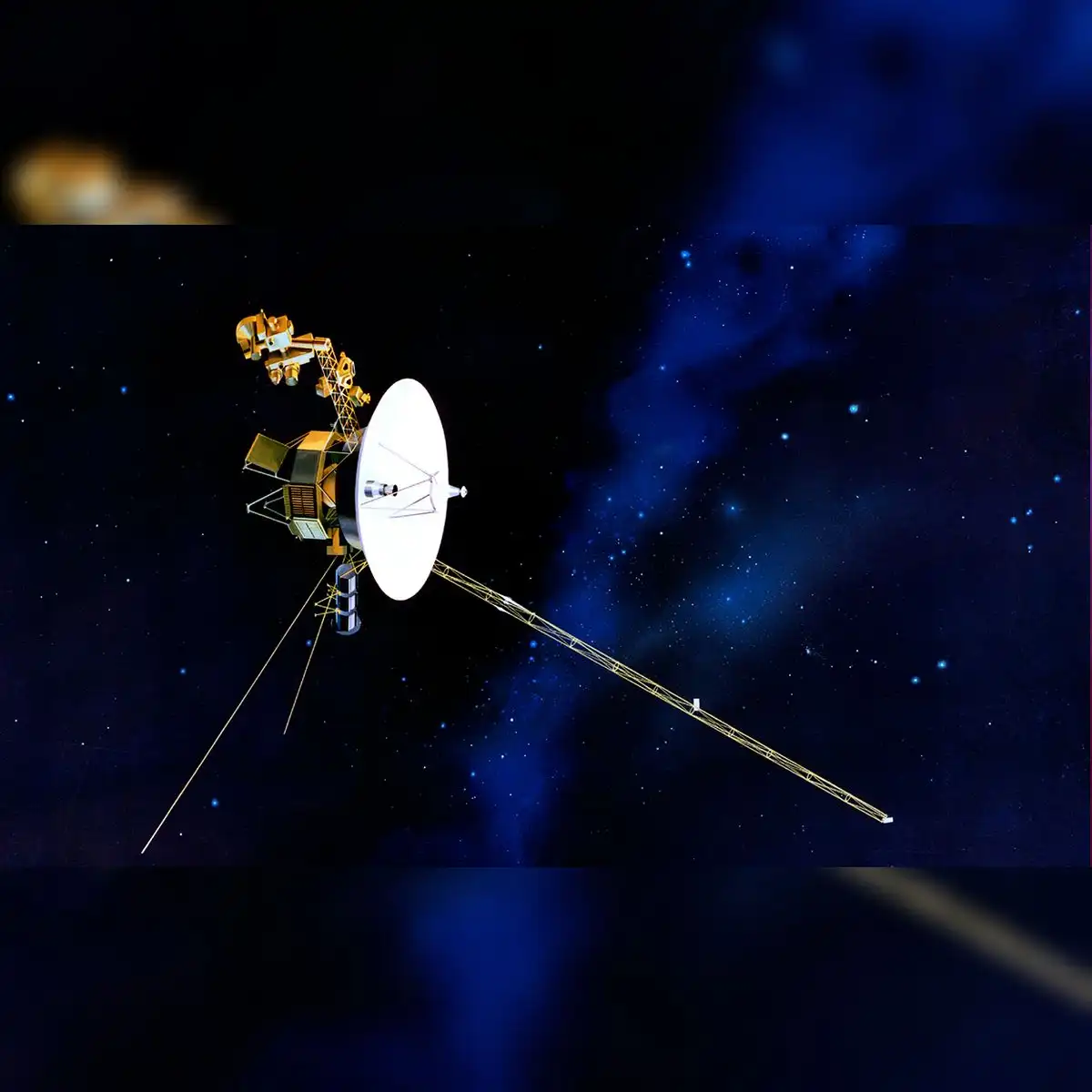
Engineers plan to perform a similar maneuver on Voyager 1 in the coming months. Voyager 1 currently operates two scientific instruments after engineers previously turned off other equipment to manage decreasing power levels.
Interstellar communication challenges
Maintaining the Voyager probes requires keeping their antennas pointed toward Earth to receive commands and transmit collected data. Mission operators must also protect key components from the extreme cold of interstellar space.
In August 2026, Voyager 1 was located more than 25.5 billion kilometers from Earth, while Voyager 2 was more than 21.4 billion kilometers away. A radio signal takes approximately 20 hours to reach Voyager 2 and another 20 hours to travel back to Earth.
Voyager 1 will reach a new milestone on November 18, 2026, when it becomes roughly one light-day from Earth. At that distance, a radio signal will take nearly 24 hours to travel from Earth to the probe, requiring about 48 hours for round-trip communication.