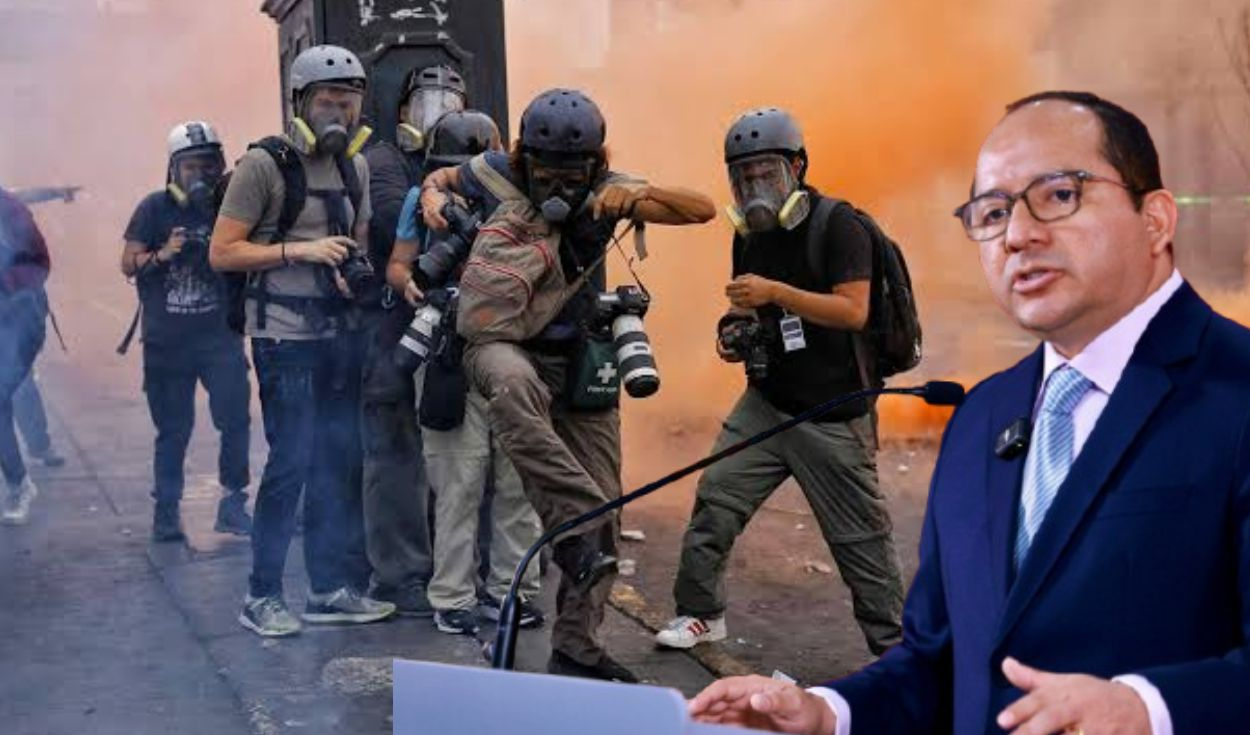
Peruvian lawmaker Aldo Bravo has formally withdrawn a controversial bill proposing prison sentences for journalists reporting on social protests, promising to reintroduce the measure later.
The member of the Renovación Popular party confirmed the withdrawal of the proposal, officially titled the Anti-Rivers of Blood bill, following widespread criticism from national media rights groups.
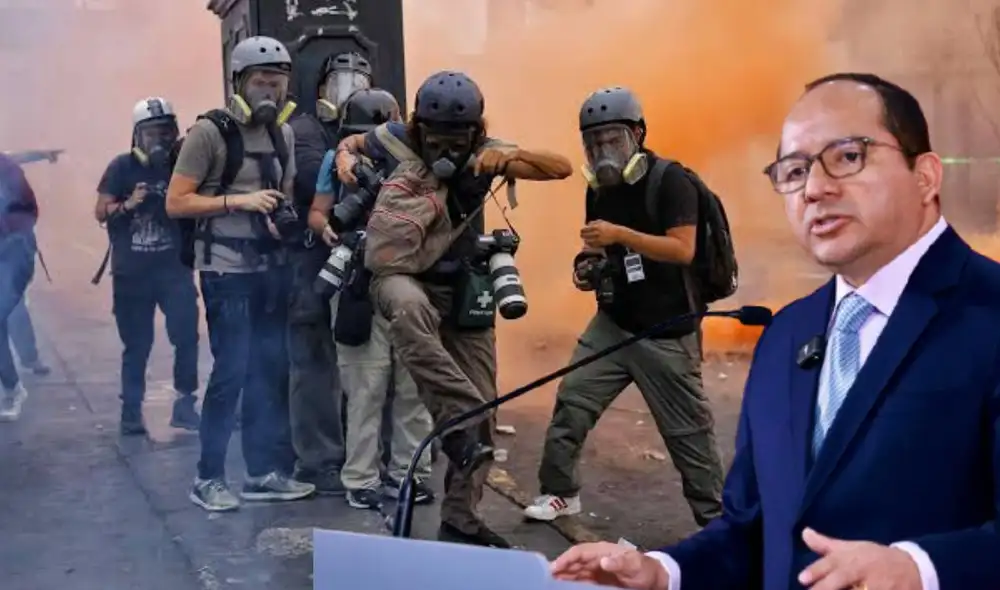
Bravo submitted the formal request to withdraw the legislation on August 24 under document registration number RU 8697-CD in the Peruvian legislature.
Official withdrawal and social media statements
Writing on his official X account, Bravo stated that his decision to pull the measure was not prompted by external pressure from critics or press freedom organizations. Instead, he explained that he chose to reserve the proposal for a more appropriate time when the nation is not navigating active social and economic crises.
Bravo added that Peru currently requires all elected officials and citizens to concentrate their efforts on resolving pressing national difficulties rather than debating controversial legislative proposals.
The formal withdrawal occurred shortly after the National Association of Journalists of Peru publicly noted that the bill remained listed on the legislative agenda. Despite initial announcements that the initiative had been dropped, the trade group discovered the proposal actively sitting before the Commission of Justice and Human Rights in the Chamber of Deputies.
Legislative administrators officially registered the withdrawal of the file minutes after the press union raised the public warning regarding its presence on the committee docket.
Proposed penalties and Penal Code changes
The proposed legislation sought to establish prison terms ranging from four to six years for individuals convicted of promoting or justifying violence during public demonstrations. The penalties would apply to actions carried out through news outlets, digital platforms, or public gatherings that affected human life, public safety, or state security.
In addition, the bill sought to amend Article 46 of Peru's Penal Code, which governs statutory aggravating circumstances in criminal sentencing. The amendment would have introduced harsher penalties when the alleged conduct involved journalists, digital content creators, online influencers, public officials, or political leaders.
Although the text of the bill explicitly stated that it did not intend to criminalise personal opinion, press freedom advocates pointed out that it failed to provide clear legal definitions for terms such as promotion. This omission left substantial room for arbitrary interpretation by law enforcement officers, prosecutors, and judges.
Renovación Popular, the conservative political party to which Bravo belongs, holds multiple seats in Peru's unicameral Congress, where conservative and right-leaning lawmakers have frequently introduced public order and internal security measures.
Press freedom advocates warn of lingering threat
Responding to the announcement, Zuliana Laínez, president of the National Association of Journalists of Peru, told La República that media organisations must remain on high alert regarding Bravo's legislative actions in the coming weeks.
Laínez stated that the risk to freedom of expression remains active despite the formal withdrawal. She explained that the lawmaker left an implicit warning that the withdrawal is merely a temporary pause and that the initiative could be reintroduced at any moment.
She noted that Bravo's assertion of resubmitting the proposal at a later date could mean an attempt today or in three years. Consequently, she affirmed that the press association and partner media unions will maintain continuous coordination to monitor any future legislative attempts to restrict media freedoms.
The National Association of Journalists of Peru, founded in 1928, is one of the country's primary trade unions defending press rights, representing thousands of reporters and newsroom staff across Peruvian provinces.
Broad definitions and legal uncertainty
Laínez previously highlighted the structural dangers of the bill to La República, emphasizing that its overly broad legal language poses severe risks to routine reporting.
She pointed out that the bill incorporated references to contexts of political crisis directly within its title. Because Peru has experienced persistent political turmoil for several consecutive years, she warned that everyday news events in conflict regions could be classified as crisis situations subject to criminal prosecution under such a statute.
Laínez acknowledged that prosecuting genuine incitement to violence is a legitimate legal function. However, she warned that adding statutory aggravating factors for journalists creates excessive leeway for prosecutors, police officers, and judges to misinterpret standard news gathering as criminal behavior.
Rodrigo Salazar, executive director of the Peruvian Press Council, also expressed serious concern regarding the legislative initiative in comments to La República.
Salazar stated that repeated attempts by lawmakers to restrict press freedoms under the guise of protecting internal security create ongoing instability for working journalists. The Peruvian Press Council is an independent industry association representing major print, broadcast, and digital news organizations across Peru.
Salazar emphasized that during social conflicts and political unrest, journalists have a professional responsibility to inform the public about potential crimes and illegal activity. He warned that arbitrary legislation like Bravo's proposal risks misinterpreting essential news reporting as an endorsement or glorification of illegal acts.