More than 50 mayoral candidates across the country have resigned ahead of the 2026 Regional and Municipal Elections, clearing a path for sitting mayors to secure covert reelection by running as first councilors. The study by Instituto Aklla showed that 51 candidate resignations were registered by 5:00 p.m. on August 5 on lists where incumbent mayors were registered as first councilor candidates. Out of 131 mayors currently running as first councilor nationwide, these resignations effectively allow incumbent mayors to retain their posts if their party wins, bypassing the constitutional ban on immediate reelection.
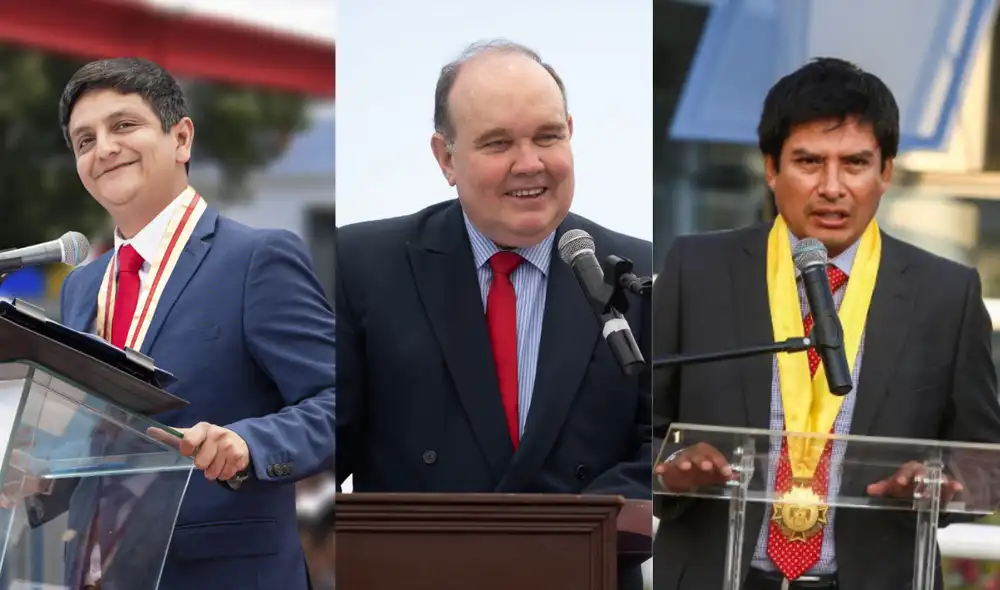
By August 6, the number of district cases recorded in Lima rose to seven, comprising Lurín, San Miguel, Independencia, San Juan de Lurigancho, El Agustino, Los Olivos, and Santa Rosa. Nationwide, political parties with the highest number of covert reelection cases include Somos Perú with 12, Alianza para el Progreso with 10, Renovación Popular with six, and Avanza País-Partido de Integración Social with six.
Metropolitan Lima Candidate Resignations
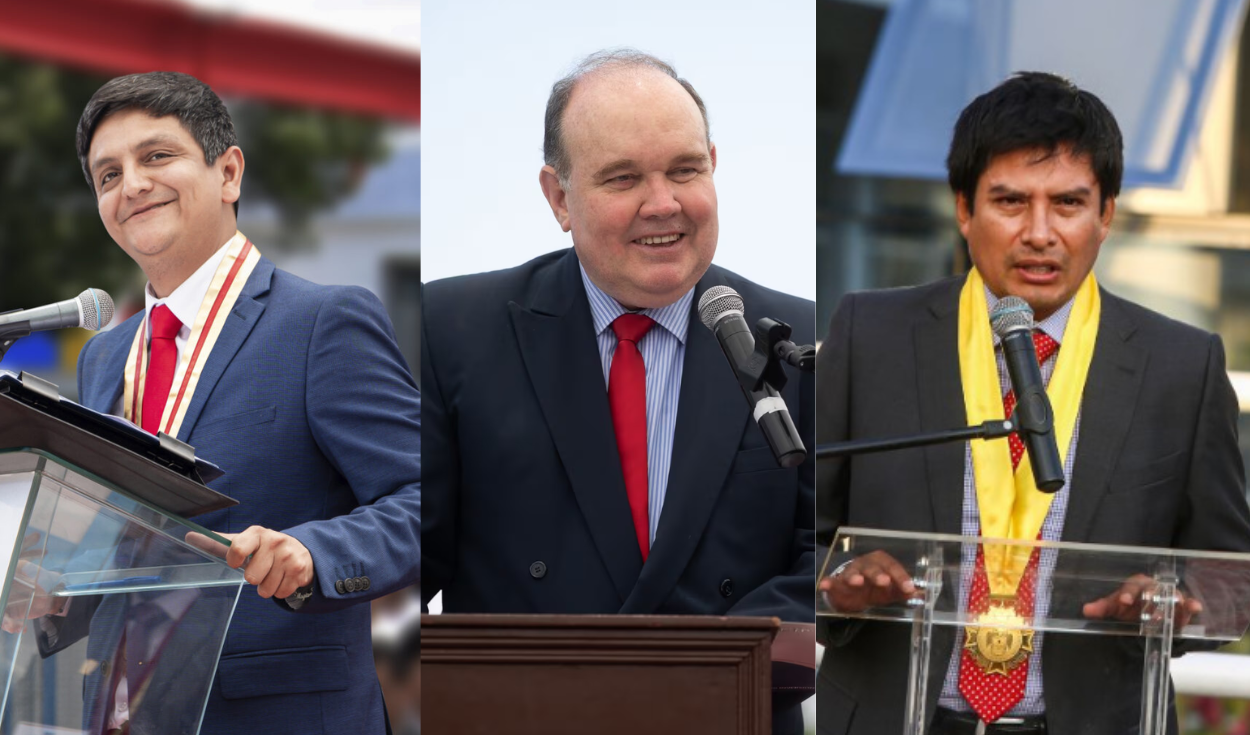
The most prominent case involves former Metropolitan Lima Mayor Rafael López Aliaga, who held office from January 1, 2023, until October 13, 2025, when he stepped down to run for president and the Senate. Following his first-round loss in the 2026 General Elections, López Aliaga alleged electoral fraud and refused his Senate seat. He instead ran as the first councilor candidate on the Renovación Popular ticket headed by mayoral candidate Luis Rubio. Rubio subsequently resigned his mayoral candidacy, opening the way for López Aliaga to potentially return as mayor.
Addressing these political maneuvers, Jurado Nacional de Elecciones President Roberto Burneo stated that strategies were being created to circumvent the law and secure positions. Burneo urged citizens to cast their votes for full party lists rather than focusing solely on mayoral candidates, noting that the next person on the list automatically assumes office in cases of resignation or vacancy.
Constitutional Reform and Nepotism Proposals
José Tello, president of Instituto Aklla, said a constitutional reform allowing a single reelection was necessary to give municipal and regional governments greater stability by extending a four-year mandate to eight years. Tello added that further reelections should be prohibited because extended periods in power managing public funds increase the risk of corruption. He also proposed preventing former mayors and regional governors from running for any municipal council seat immediately after completing their term.
Tello further emphasized the need for anti-nepotism rules to prevent direct relatives of outgoing mayors from running. He cited San Juan de Lurigancho, where the nephew of current mayor Jesús Maldonado entered the mayoral race, and Magdalena, where Carla Robbiano, wife of mayor Francis Allison, is running for office. Tello noted that the Jurado Nacional de Elecciones possesses legislative initiative to submit bills blocking nepotism.
In response to these electoral practices, Deputy Víctor Piñán of Partido Cívico OBRAS presented a bill to prevent covert reelection in future elections. The proposed legislation adds a specific provision to Article 194 of the Constitution, explicitly banning former officials from joining candidate lists for the same provincial or district municipal council in any position. Piñán stated that the bill aims to remove the incentive for political parties to structure candidate lists designed to bypass constitutional restrictions.