
West Texas Intermediate crude oil rose 2.55% on Thursday to close at $88.74 a barrel, lifted by comments from US President Donald Trump that a peace deal with Iran was not necessary to end the war between the two countries.
December futures contracts for WTI, the US benchmark, added $2.21 compared with the previous close by the end of the session.
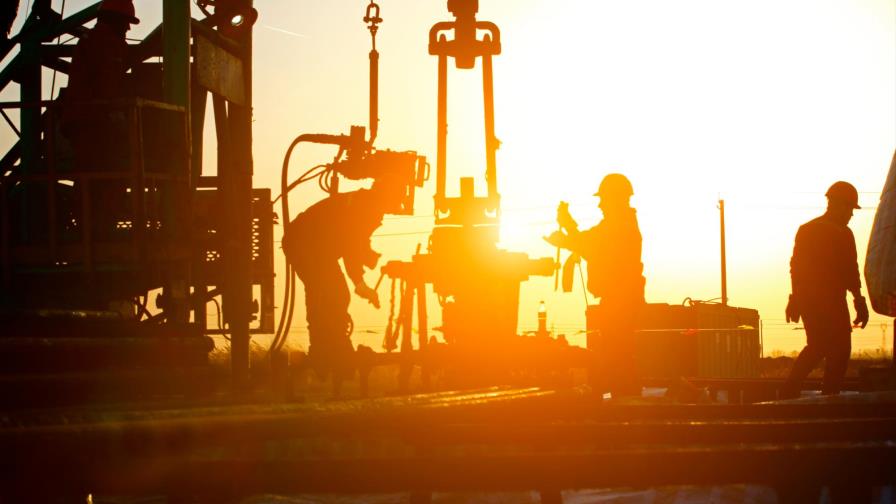
West Texas Intermediate is one of the world's main crude oil benchmarks, alongside Brent, and its daily price swings are closely tracked by energy traders, airlines and policymakers across the United States.
Trump said on Thursday that the United States no longer needed a peace agreement to end the war in Iran. He also asked Vice President JD Vance to focus on investigating domestic "corruption," after reports surfaced that his deputy was considering reopening dialogue with Tehran.
Vance and possible Iran talks
Vance was reportedly weighing in-person talks with Iranian officials in an effort to relaunch a stalled peace process, according to several sources who spoke to The Wall Street Journal.
Vance has served as vice president in the Trump administration and has been a visible voice on the White House's approach to Iran throughout the conflict.
The war, launched by the United States and Israel against the Islamic Republic more than eight months ago, has disrupted supply chains and driven up fuel prices. Iran is a major oil producer and sits along key Gulf shipping routes, which is why disruptions tied to the conflict tend to move global crude prices. The war has also been cited as one of the reasons behind the Republican Party's heavy defeat in the midterm elections held on November 3.
Oil prices this week
WTI had fallen earlier in the week after Trump said the war with Iran was practically over on the military front and described the prospect of a new large-scale attack on the Persian nation as very unlikely.
Andy Lipow, president of Lipow Oil Associates, told CNBC that Trump might believe an economic blockade on Iran would either force Tehran to negotiate with the United States or trigger a change of regime as the Iranian economy collapsed.
Lipow Oil Associates is a Houston-based energy consulting firm, and its president is frequently cited in US financial media as a commentator on oil markets.
Lipow added that the Iranians might have other ideas and could continue attacking infrastructure across the Middle East, which would push prices higher and force the president back to the negotiating table.
US crude reserves
On the domestic front, commercial crude oil reserves in the United States rose by 4.7 million barrels last week to 414.4 million barrels, according to the Energy Information Administration.
The Energy Information Administration is the statistical arm of the US Department of Energy, and its weekly inventory reports are widely watched as a gauge of American oil supply and demand.