


A study by researchers at the University of Queensland, CSIRO and RMIT University shows urban parks lack intermediate plants vital for wildlife and health.
The missing vegetation layer consists of native plant species standing between one and ten metres high, filling the middle space between manicured lawns and tall tree canopies.
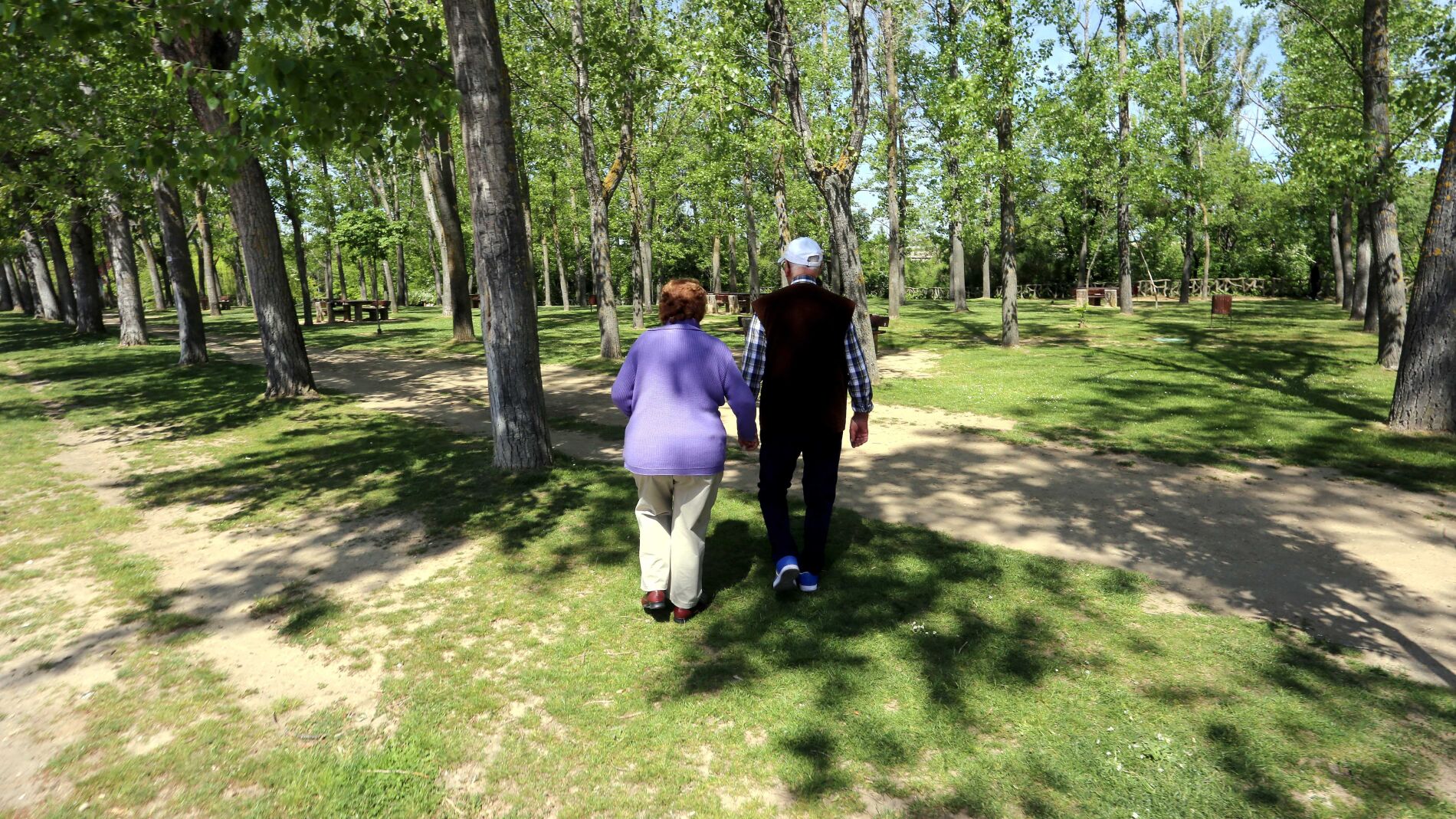
Dr Nicola Sockhill, the lead author of the study published in the journal BioScience, explained that midstorey vegetation is essential for providing food and shelter to small animals and birds. These creatures are increasingly displaced as urban consolidation and expanding suburbs encroach on natural areas.
The research was conducted by teams at the University of Queensland, Australia's national science agency CSIRO, and RMIT University in Melbourne. With more than half of the global population now residing in urban areas, a city park is often the only natural environment residents encounter in a day.
Health benefits of intermediate plant layers
Sockhill noted that spending time in natural environments lowers stress hormones such as cortisol, restores mental focus, reduces anxiety and depression, and shortens recovery times from illness or injury.
By selecting plant species strategically to form patches of varying heights, city planners can allow visitors to choose how they engage with green spaces. Parkgoers can decide whether to relax on lawns, walk under tall canopy trees, or observe intermediate native foliage.
Urban environments remain noisy, polluted, and prone to extreme summer heat, but they have improved since the 19th century. Back then, cities such as London and Paris faced routine disease outbreaks and corpses washed along the river Thames before modern sewage systems, street lighting, food distribution, and clean water networks were established.
While urban parks were created as green sanctuaries within glass and concrete landscapes, the study notes that popular claims about leaf vibrations or floral aromas healing people lack scientific proof. Instead, the simple acts of viewing, walking through, and feeling nature provide genuine psychological relaxation while cooling local temperatures and filtering city air.
Sustainability and park maintenance costs
Most public green spaces continue to rely on a 19th-century English park design model. This traditional setup features vast expanses of grass and scattered trees, which require substantial amounts of water and frequent upkeep to maintain.
Study co-author Professor Richard Fuller stated that once native midstorey vegetation is established, it largely sustains itself as a natural ecosystem gradually develops around it. In contrast, standard lawns require mowing every fortnight.
Fuller added that researchers already know this ecological design works, but municipalities have not yet adopted it as the standard default model. Sockhill emphasised that vegetation complexity is extremely important for public health and biodiversity, yet it remains underrepresented in modern public spaces.
Global park design and urban rewilding
Urban park design has long favored artificial green spaces, often incorporating hedges sculpted into unnatural shapes alongside exotic tree species imported from around the globe. Sockhill noted that anyone with authority over urban greening strategies can use the study's findings to reshape public landscapes.
The study highlighted Kings Park in Perth, Australia, as a leading example of effective park design that incorporates complex native vegetation layers. The authors noted that living in dense cities is environmentally more efficient than living in small villages or hamlets, where individual carbon footprints are significantly higher.
In Spain, cities have been implementing urban park renaturalisation projects for some time with varying levels of success. Several Spanish initiatives have successfully restored local biodiversity and created nesting habitats for endemic species.
The research paper, titled The Case of the Missing Midstorey: Urban Park Design for People and Nature, was written by Nicola Sockhill and colleagues and is published in volume 76, number 8 of BioScience by Oxford Academic.



