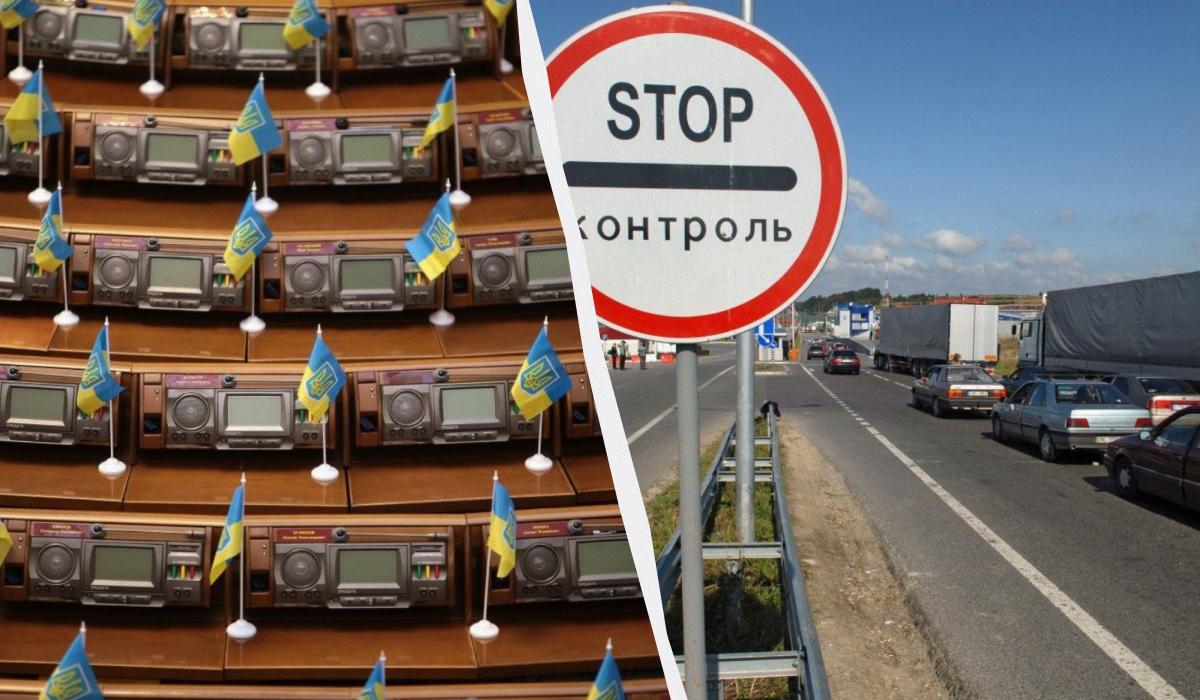
The Verkhovna Rada, Ukraine's national parliament, supported a draft bill on a new Customs Code of Ukraine in its first reading on August 19, 2026. A total of 261 members of parliament voted in favour of the legislative proposal, advancing structural reforms aimed at updating the country's border and trade rules.
Finance Minister Serhiy Marchenko told lawmakers during a parliamentary session that the proposed code completely harmonises Ukrainian legislation with European Union standards. He noted that passing the law is directly tied to financial support, stating that 1.5 billion euros in macro-financial assistance hinges on its approval.
Marchenko highlighted provisions in the bill that grant law enforcement functions to customs officers. He emphasized that customs agencies in 25 EU member states currently execute operational-search activities, while customs authorities in 22 EU nations hold legal powers to conduct criminal investigations.
However, Danylo Hetmantsev, chairman of the Verkhovna Rada Committee on Finance, Tax and Customs Policy, said the committee recommended passing the bill as a basis while delaying its most contentious provisions. He stated that granting customs authorities operational-search powers requires further consultation with the business sector before final approval.
Hetmantsev also stressed that the new Customs Code does not eliminate any existing tax benefits on the supply of goods into Ukraine. The Verkhovna Rada serves as Ukraine's unicameral legislature in Kyiv, responsible for passing laws required for legal and economic integration with European institutions.
Business impact and digital reform
The legislation is scheduled to take effect on December 1, 2027, providing time for state authorities and enterprises to prepare electronic systems and IT infrastructure. The transition plan aims to modernize national trade operations while minimizing disruption to commerce.
According to the Ministry of Finance, the code introduces a full transition to European Union customs terminology, standardized authorization systems, and European approaches to customs debt, declarations, guarantees, and duty exemptions. Existing authorizations issued to businesses for simplified customs procedures will remain valid without interruption, with open-ended permits continuing indefinitely and fixed-term authorizations remaining active until their set expiration dates.
The draft bill also establishes a formal right to be heard, enabling businesses to submit arguments regarding the customs valuation of goods before authorities make formal decisions. Ministry officials expect this procedure to reduce administrative disputes and court litigation.
Full digitisation of customs procedures will take place through an electronic single-window system for data exchanges between commercial enterprises and customs authorities. Regulatory permits from other government agencies will automatically import into the system, reducing physical paperwork and eliminating the need for in-person visits to customs offices.
The bill preserves existing import duty tax exemptions, specifically maintaining support for national defense capabilities, the energy sector, and humanitarian aid deliveries. For the duration of martial law and one year following its end, duty-free baggage allowances for individuals will remain at up to 500 euros and 50 kilograms for land transport, and up to 1,000 euros and 50 kilograms for air transport.
Broader customs reform track
In May, the Ukrainian government approved the initial draft of the European-style Customs Code, marking a major milestone in Ukraine's process of joining the European Union and fulfilling commitments under membership negotiations. Ukraine received official candidate status for EU membership in 2022, initiating broad legal harmonization.
The latest vote builds on previous legislation passed by the Verkhovna Rada in September 2024 to overhaul the customs service. That law mandated a complete agency reboot modeled on the Economic Security Bureau, transparent competitive selection for the head of the State Customs Service, political independence, mandatory recertification of all employees within 18 months of a new head's appointment, and legally binding salary increases.