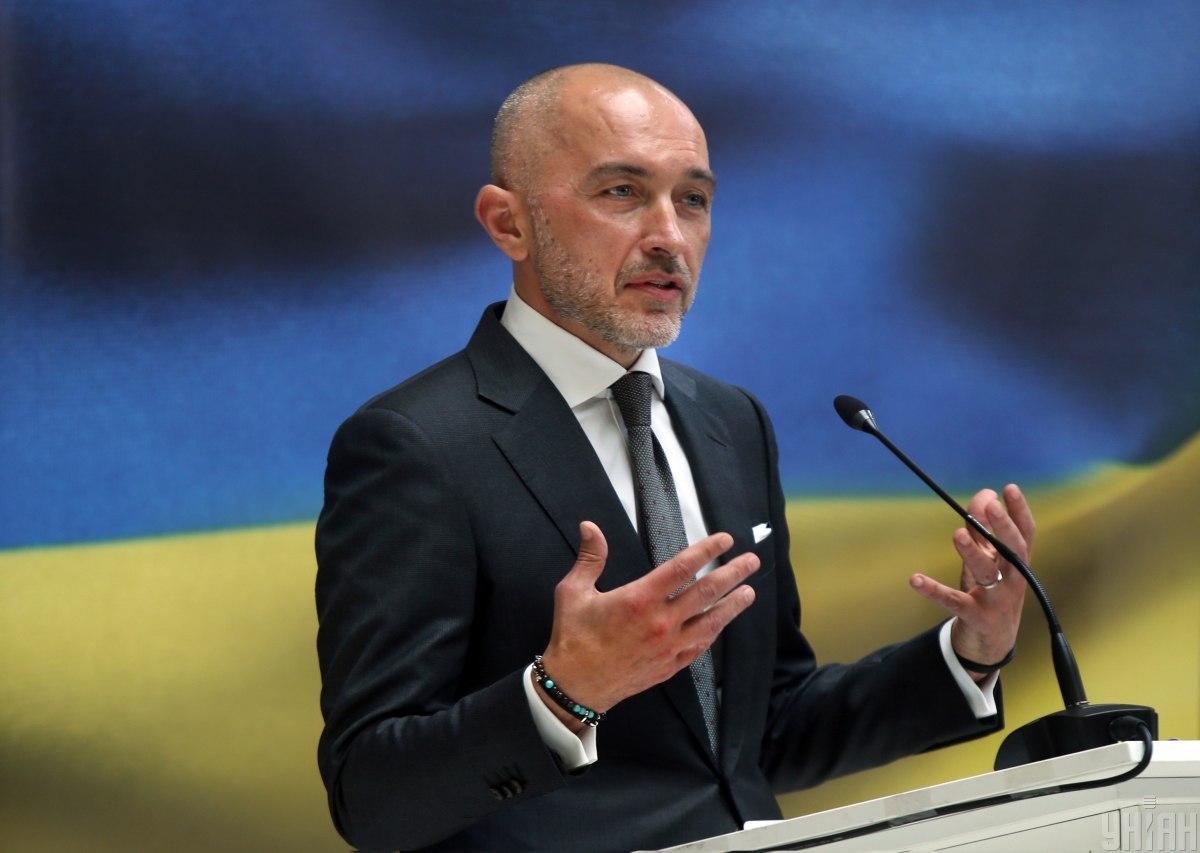
Ukraine's National Bank has told commercial lenders to support businesses damaged by Russian attacks on the country's energy, logistics, warehouse, and port infrastructure, warning that inaction could weaken bank loan portfolios.
NBU Governor Andriy Pyshnyi said restrictions on maritime logistics were hitting real-sector enterprises hardest, causing significant delays or temporary halts to export shipments. He said cash flows were deteriorating, finished goods were piling up, prices and demand were shifting, and supply chains were breaking down.
Pyshnyi said the combined pressure was making it harder for companies to service existing loans or secure new financing, and that if banks did not respond to these risks, the quality of their credit portfolios could suffer.
Six-point guidance
The governor asked banks to consider individual support for borrowers, including debt restructuring and revised repayment schedules, while making clear that restructuring must not be used to conceal a borrower's insolvency. He also called for regular monitoring of corporate finances to account for temporary logistics disruptions, price volatility, and lost business ties.
Banks were asked to apply regulatory frameworks the NBU has already introduced for credit-risk assessment under martial law. For agricultural firms specifically, Pyshnyi said lenders should evaluate financial health across a full production cycle and not downgrade assessments because of temporary logistics or seasonal swings. He also urged banks to keep agricultural credit flowing, particularly for the autumn sowing season, and to accept finished farm produce as loan collateral where regulations permit.
The NBU said it also plans to adapt its own regulatory conditions, including raising the liquidity coefficient applied to agro-industrial goods held as collateral.
Pyshnyi stressed that support does not mean ignoring risk. He said banks must continue to assess borrower creditworthiness properly and that the measures are intended to help viable businesses survive a period of temporary difficulty without losing access to financing, not to mask problem loans or substitute for sound risk management.
Russia has intensified attacks on Ukrainian businesses in recent weeks. On July 31, a Nova Poshta delivery branch in Vinnytsia region was struck, the at least tenth hit on the company's facilities in the recent period. According to the Financial Times, Russia has also destroyed around 200 Ukrainian petrol stations in an effort to worsen conditions for civilians.