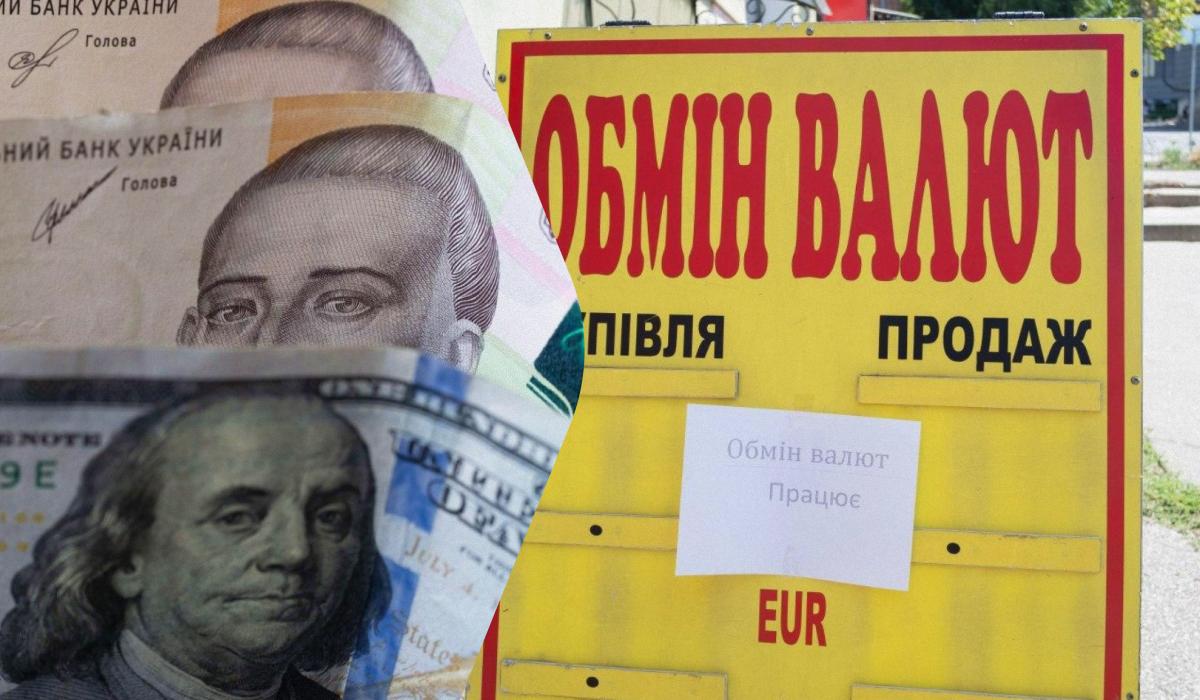
Executives at Incrypted and Jurisprudential Consulting Group have warned cryptocurrency users in Ukraine that high advertised exchange rates and zero-fee offers can reduce final payouts in 2026.
An analysis of Ukraine's digital asset market shows that selling 1,000 Tether (USDT) at a lower rate of 41.95 Ukrainian hryvnias (UAH) with no separate commission yields 172 hryvnias more than an offer of 42.20 hryvnias carrying a 1% fee. Specialists say holders converting digital tokens into local currency must check spreads, network charges and banking rules before choosing a platform.
Tether is a stablecoin pegged to the United States dollar, making the USDT to hryvnia pair a common way for Ukrainians to move between digital assets and cash. Domestic platforms also regularly convert Bitcoin (BTC) and Ethereum (ETH), the two largest cryptocurrencies by market value, into hryvnias.
How to exchange cryptocurrency in Ukraine
Ukrainian users rely on three primary methods to convert cryptocurrency: centralised cryptocurrency exchanges, peer-to-peer (P2P) platforms and online crypto exchangers. On a centralised exchange, a trader sells an asset on the trading platform and withdraws the funds through an available payout option, paying both a trading commission and a withdrawal fee.
In P2P trading, users buy and sell digital assets directly with one another through an intermediary platform, making it important to check the counterparty's rating, number of completed trades and specific offer terms. Online crypto exchangers provide a simpler option where users select a pair such as USDT/UAH, BTC/UAH or ETH/UAH, enter the amount and pick a payout method, though rates vary noticeably across services.
Yaroslav Meretskyi, co-founder and chief executive officer (CEO) of Jurisprudential Consulting Group and an international tax expert, said the choice of method also affects how banks assess the transaction. Meretskyi said P2P trades can leave an evidentiary record if the user saves the platform order number, counterparty details, bank transfer record, wallet addresses and transaction hash, which is a unique blockchain identifier, but noted that European banks usually view such records as weaker than trades on a verified centralised exchange.
Why crypto exchange rates differ in Ukraine
Online exchangers set their quotes independently, meaning the final payout depends on the buying or selling rate, the service fee, the blockchain network fee, the minimum and maximum transaction limits, and the method of receiving hryvnias. Payouts also depend on whether the rate is fixed when the user creates the request or only after the cryptocurrency arrives.
Instead of comparing these terms manually, traders can use the exchange monitoring tool on Minfin.com.ua, a Ukrainian financial portal that lets users select an exchange direction and compare offers in one place.
The calculation for selling 1,000 USDT illustrates the difference. An exchanger quoting 42.20 hryvnias per USDT with a 1% fee turns a 42,200-hryvnia base sum into roughly 41,778 hryvnias, whereas a rival quoting 41.95 hryvnias with no separate fee pays 41,950 hryvnias, leaving the seller 172 hryvnias better off at the lower rate.
Spreads, network fees and zero-commission claims
A single exchange can carry multiple costs at once. These include the network fee for transferring tokens between wallets, which depends on the specific blockchain and its traffic load, a service fee that may be separate or built into the rate, and a payout fee tied to how the funds are delivered. Users also lose money on the spread, the gap between an asset's market price and the service's rate, which reduces payouts even without a separate fee.
Ivan Pavlovskyi, CEO and co-founder of the cryptocurrency media outlet Incrypted, said a 0% commission label does not mean an exchange is the cheapest option. He noted that the common claim that every bank takes 2% to 3% on each foreign purchase is not entirely accurate, as some cards charge a separate currency fee while others convert funds without an extra charge, and bank rates differ from payment system rates.
Pavlovskyi said the true cost combines the conversion rate, any currency markup, the asset exchange fee and extra charges from the specific service, meaning traders should always compare the final payout rather than the highest rate in the table.