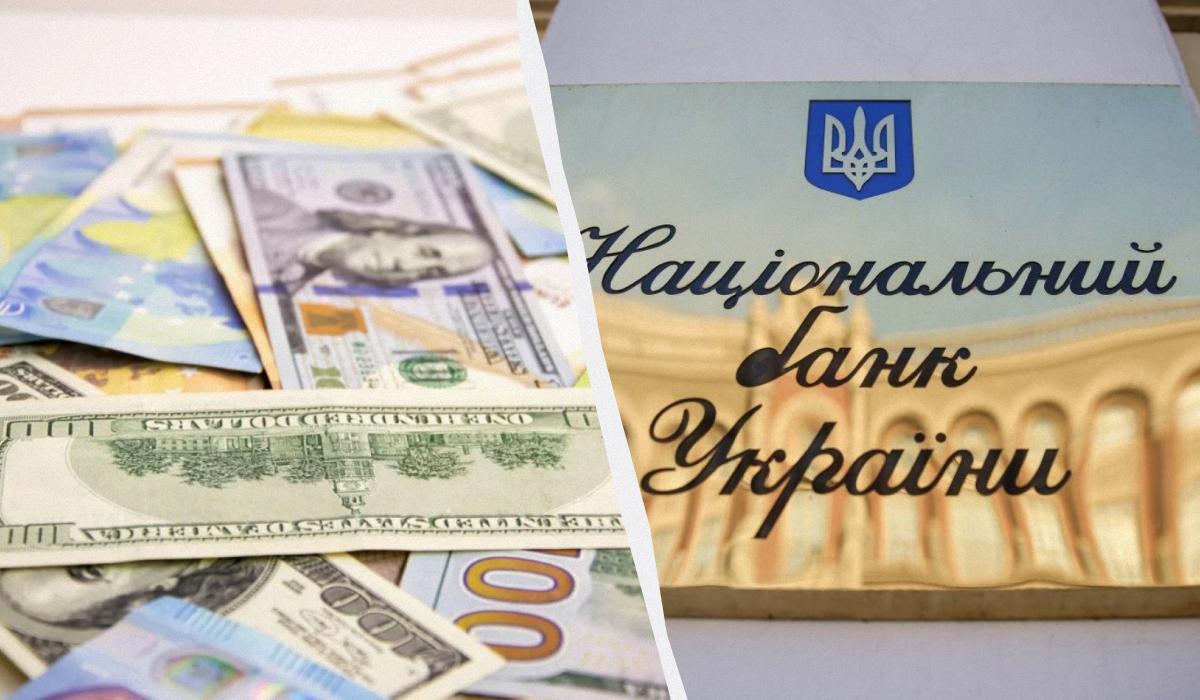
Ukraine's Finance Minister Serhiy Marchenko confirmed on Thursday that the government has been forced to start limiting state spending because international financial aid has been delayed, after parliament twice refused to pass a bill needed to unlock the funds.
Marchenko made the announcement at a meeting of the Verkhovna Rada Committee on Finance, Tax and Customs Policy. The Verkhovna Rada is Ukraine's parliament, and the committee was discussing a new version of the so called parcels bill. Marchenko said the government had exhausted every verbal means of communication and was therefore forced to apply spending restriction measures.
Parcels bill blocks aid
The legislation concerns taxation of postal parcels and has been rejected twice by parliament, putting international financial aid to Ukraine on hold. Marchenko said the government has already postponed all non critical spending planned for December and has drawn up rules for how bodies should operate during a period of limited liquidity.
He said that whenever revenue does come in, it will first go toward funding the security and defence sector. Only once further sources of funding appear will other expenditures be financed, he said, and this rule would apply not only to the state budget but to all budgets, including local ones. Capital construction programmes and other similar spending would effectively be suspended, he said.
Social spending is not yet subject to the restrictions, Marchenko said, though this depends on how much money flows into the Single Treasury Account, the central account through which the state manages the cash it uses to pay its bills. He said he could not rule out possible delays to social payments, though he hoped it would not come to that.
Ukraine has reached the limit, he said, adding that there was no explanation for why lawmakers could not vote through the legislation during such a difficult period, given what was at stake.
Risk of money printing
Marchenko said the government has not ruled out monetary financing of the budget, which would come with devaluation of the hryvnia, Ukraine's currency, along with inflation and other negative consequences. He said the government could not simply sit and wait for money to arrive, and would respond accordingly to intense social pressure.
Such a scenario would mean losing any ability to communicate with international creditors, he warned. A ban on direct monetary financing of the budget, commonly described as printing money to cover state spending, is fixed as a benchmark under Ukraine's loan programme with the International Monetary Fund. Economists generally regard printing money to cover a budget shortfall as inflationary, since it expands the money supply without a matching increase in goods or services, which is why lenders such as the IMF typically require governments to avoid it as a condition of financial support.
The IMF programme, an Extended Fund Facility agreed in 2023 worth around $15.6 billion, has helped underpin Ukraine's public finances through the full scale Russian invasion, alongside grants and loans from the European Union, the United States and other partners. Marchenko has served as Ukraine's finance minister since 2020 and has overseen the country's wartime budget throughout that period, in which defence and security spending consumes the largest share of state funds while foreign partners cover much of the rest.
Committee recommends VAT changes
Following the discussion, the finance committee recommended that parliament adopt, as a basis and in full, bills No. 15460 and No. 16051-1. The bills would amend Ukraine's Tax and Customs Codes to change how value added tax is applied to e-commerce operations. A committee recommendation is not a final vote; bills endorsed by a Rada committee still require approval from the full chamber before they become law.
Wider budget pressures
Roksolana Pidlasa, chair of the Verkhovna Rada's Budget Committee, warned that Ukraine will soon have to sharply cut budget spending because of tax shortfalls, problems with domestic excise duties and the risk that international financial aid could be disrupted.
Ukraine's defence budget deficit has reached $27 billion. Prime Minister Serhiy Koretskyi has named the rising cost of the war as one of the reasons behind the shortfall.