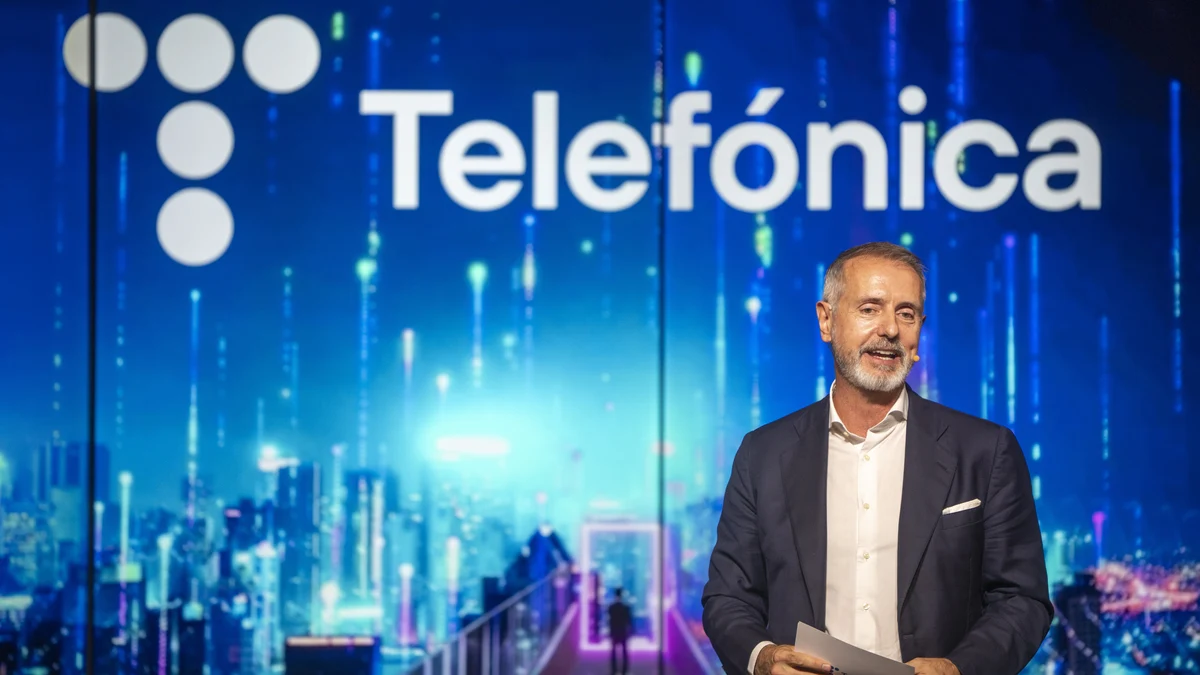
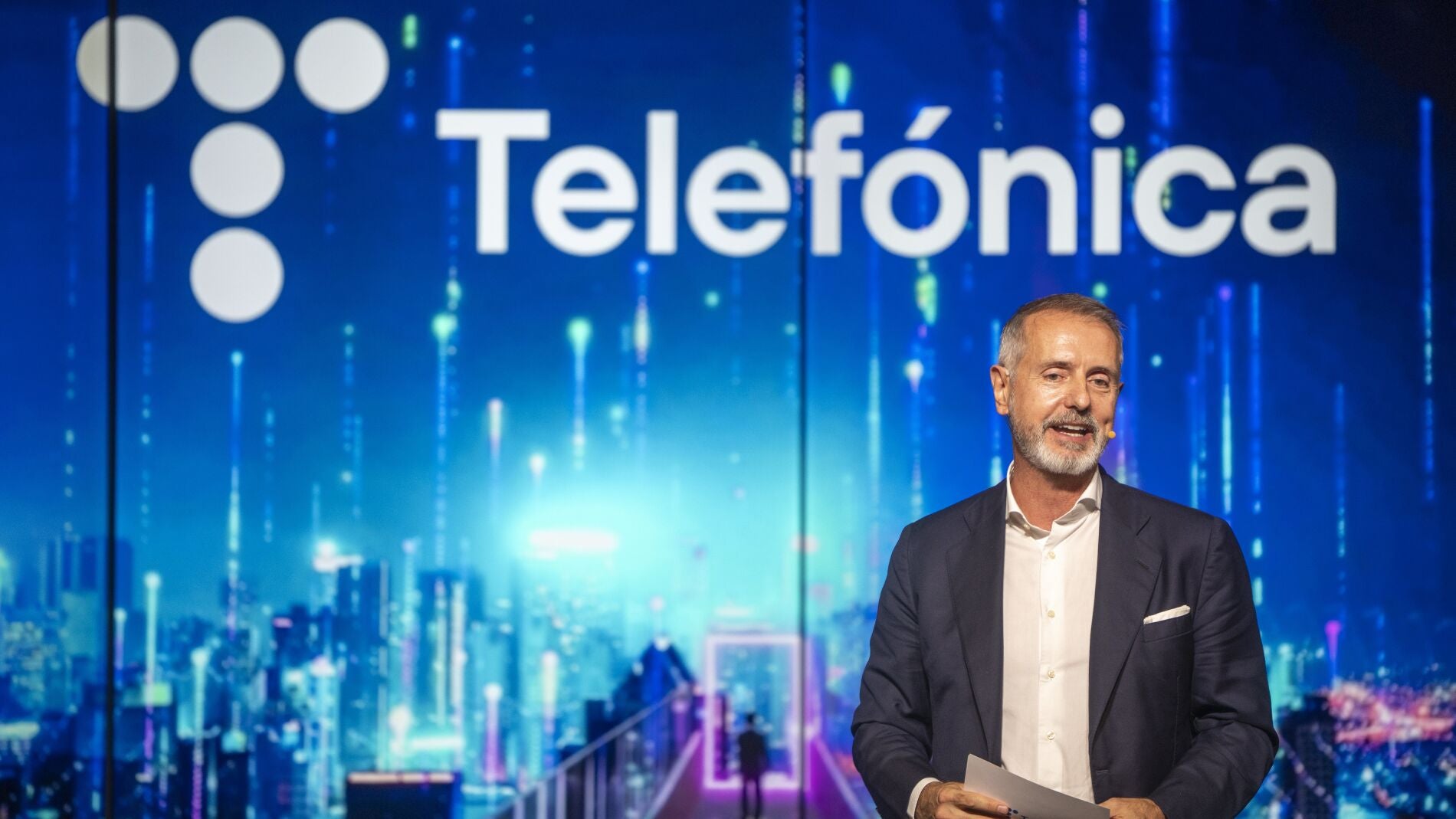
Marc Murtra, executive chairman of Telefónica, has called on Europe to develop its own technology in artificial intelligence, cybersecurity and cloud computing, warning that the continent cannot keep depending on "astute billionaires" or third parties to safeguard its security.
In an interview with the American publication Barron's published over the weekend, Murtra said that in the Western world, major digital technologies are built by large American tech giants operating in what he called oligopolistic or monopolistic markets, where one market finances the next. The interview followed meetings Murtra held last week in New York with investors, media and academic representatives.
Murtra pointed to the rivalry between Airbus and Boeing as an example, arguing that the European planemaker will need access to its own AI because it would be naive to believe the United States would give Airbus the same AI access it gives Boeing. He said there will be a strong push toward building these technologies, one he described as disorderly, slow and very European, so that Europe can set its own security standards.
On the timeline, Murtra said he was not making a prediction but an analysis, adding that within five years many changes will have taken place that should otherwise have unfolded over the next ten.
Telefónica's three-part strategy
Asked about his overall strategy for Telefónica, Murtra described it as a pyramid with three areas. The base involves transforming operations to deliver efficient service to both residential (B2C) and business (B2B) customers, which he said requires investing more. To fund that, Telefónica changed its capital allocation strategy and halved its dividend, and has had to let go of staff working in obsolete technologies or areas, he said.
The middle layer of the pyramid is pushing consolidation across European telecoms, moving, he hopes, from more than 30 operators in Europe down to three per country, and perhaps a total of five, six or seven across the continent. On potential mergers and acquisitions, Murtra said the company cannot explain anything until it has happened, but added that such deals will be very important. He argued that when Europe achieves scale, it competes extremely well against the United States or China, citing Airbus's success against Boeing and the performance of Europe's pharmaceutical and automotive industries.
Cybersecurity and the gigafactory
The third pillar is driving technological change in cybersecurity and cloud computing. Murtra said Telefónica has extensive experience using, integrating and managing cybersecurity, and is in commercial talks with security services that have access to European technology, which he said means building European technology, with the same approach applying to cloud services. He noted that Telefónica co-leads a gigafactory for AI computing based in Spain, one of four such facilities.
He clarified that the company is not simply pivoting toward AI or cloud computing, but is instead promoting public demand for cybersecurity, cloud and satellite services. Murtra said Telefónica is proposing to help build that capacity, but stressed the company will only advance in these technologies if demand exists first, adding that it is starting to see that demand emerge.
Investor reaction and market risk
Asked how markets and investors have reacted to his strategic plan, Murtra said he does not assume they simply fail to understand it. He said that if he were on the other side, he could imagine thinking that while the message sounds convincing, it remains to be seen whether the company practices what it preaches. He added that investors are used to a certain type of risk and understand it well, having made significant money investing in Google, Microsoft, Starlink, SpaceX or Tesla, while little money or know-how exists around the kind of change he expects to come.
Telecoms as Europe's digital backbone
On the role of telecom operators in the shift toward AI and European defence, Murtra said that among large, institutionally reliable companies operating in or near the digital world in Europe, there are few besides telecom operators, naming SAP in Germany and Mistral AI in France as exceptions. He said the telecoms sector is well positioned to capture that opportunity when it arrives, but cautioned that being well positioned is not the same as actually delivering. He concluded that the opportunity is real but not for the next quarter or even the next year, calling it a marathon.
On cybersecurity, Murtra said that while many hybrid attacks have occurred, no successful attack has hit the main backbone of the digital world, the telecom operators. He warned, however, that Europe lacks access to its own technology products, meaning that in the face of a new kind of attack or an access restriction, the continent could not operate and does not even have the technology to audit what is happening, leaving it dependent on third parties for the next two, three or five years.
Murtra said he had clearly seen where the sector was heading but had not expected it to change so radically under the second Trump administration, pointing to statements made about Greenland and Canada. He concluded that new American priorities had changed and accelerated everything, making autonomy far more important and far more urgent.
Test yourself
What did Marc Murtra say Telefónica did to fund more investment?
What example did Murtra use to argue Europe needs its own AI?
According to Murtra, what has not yet happened to Europe's telecom backbone?
Have your say
Should Europe prioritize building its own AI, cloud and cybersecurity technology instead of relying on foreign providers?