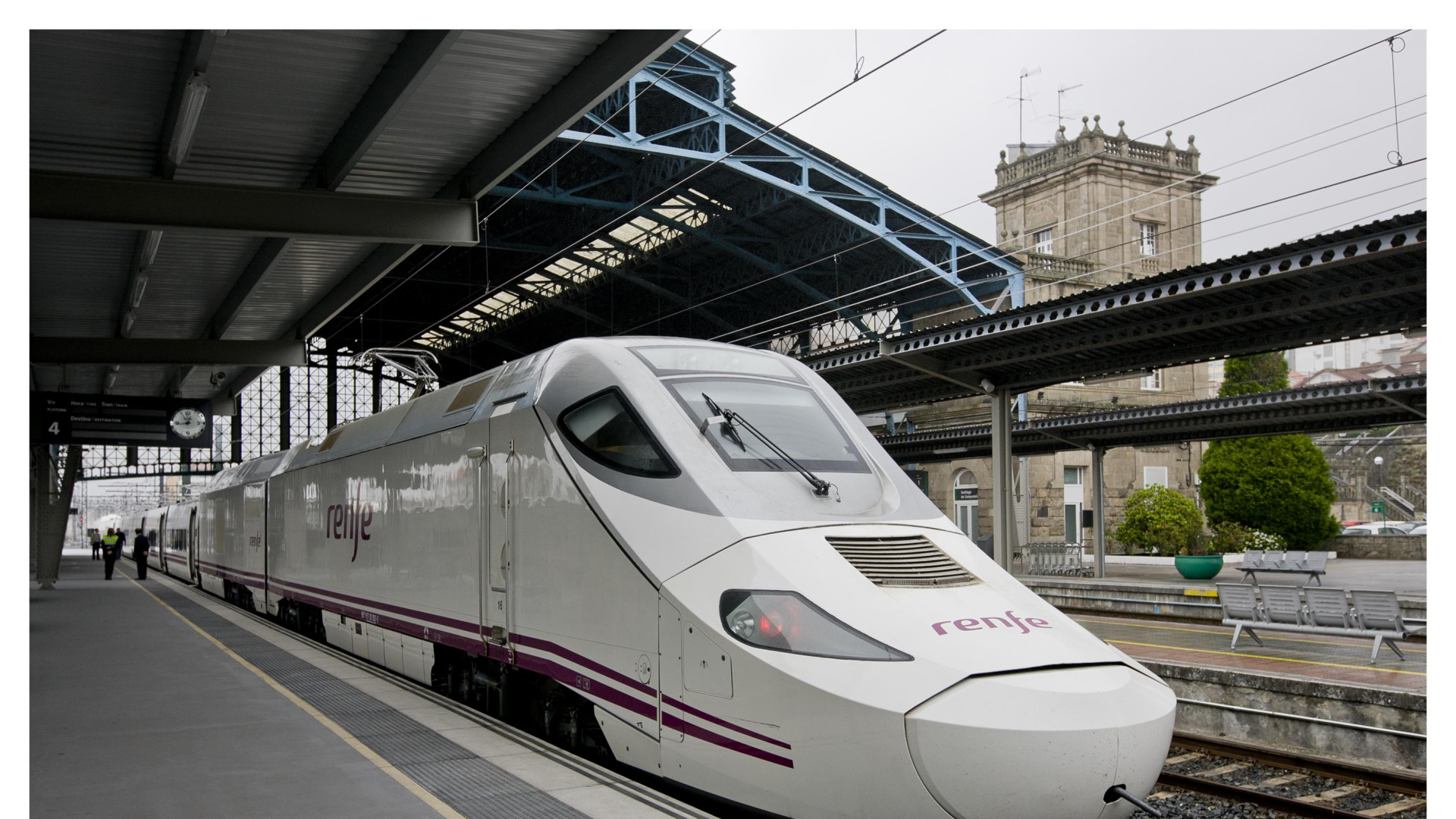
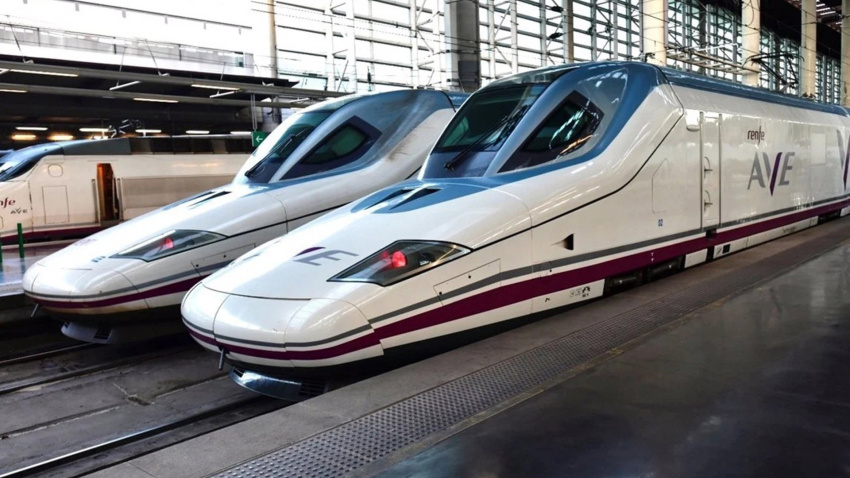
Spanish high-speed AVE train passenger numbers dropped by 15 percent in the first half of 2026 due to growing user distrust over delays and safety incidents, according to figures from the National Statistics Institute.
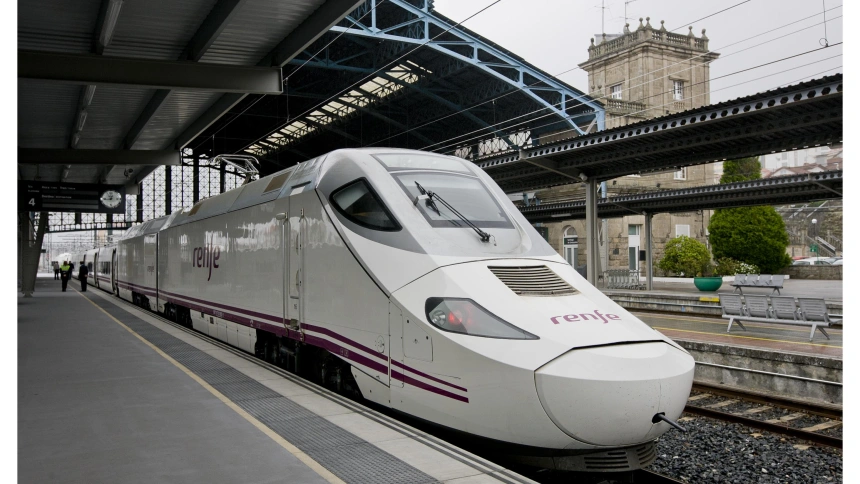
The decline in high-speed rail users occurs alongside a broader drop in overall Spanish rail travel, even as air and bus transport continue to gain passengers. Yolanda Gómez, deputy director of the newspaper ABC, analyzed the statistical breakdown during an appearance on the COPE radio program La Linterna.
Gómez stated that passenger losses stem directly from a deterioration of user confidence in a railway system long considered a benchmark for Spanish transportation. She noted that many regular travelers now feel unable to rely on AVE trains when arriving on schedule is essential.

Rail Passenger Decline Across Network Lines
Data published by the National Statistics Institute shows that high-speed rail was not the only service affected during the first six months of the year. Mid-distance train services recorded a 23 percent drop in passenger volume, while suburban Cercanías trains also suffered losses.
Across the entire Spanish rail system, overall passenger traffic decreased by 8 percent during the first semester. During the same timeframe, domestic airlines and long-distance bus operators saw steady growth in passenger numbers.
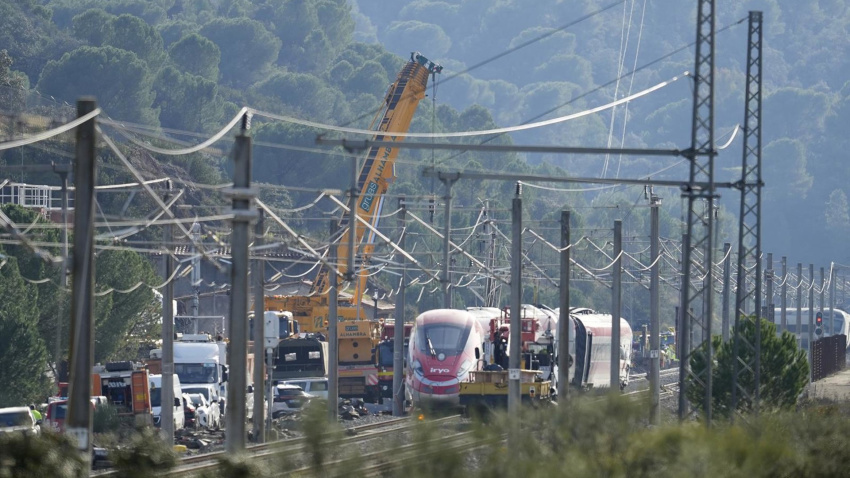
Specific railway disruptions during the period included a serious train crash in Adamuz and a line closure along the Málaga corridor during the Easter holiday period. Frequent service delays and mechanical breakdowns were also recorded across multiple rail lines.
Gómez highlighted that technical issues and delays were widespread well before the Adamuz accident occurred. Following the crash, railway authorities implemented speed restrictions and extended scheduled journey times across parts of the network to bolster safety protocols.

Infrastructure Investment and Market Liberalization
The decline in train ridership coincides with public statements from Transport and Sustainable Mobility Minister Óscar Puente, who claimed on Twitter that the Spanish railway system was experiencing its best moment. Gómez contrasted the minister's public assessments directly with the falling passenger metrics reported by official state statistics.
Industry analysts and journalists pointed to infrastructure maintenance as a central cause of the recent operational failures. Following the liberalization of Spain's railway market, more train operators entered the sector, resulting in increased frequency and lower ticket prices for consumers.
Gómez explained that market liberalization itself was not the cause of current network failures. However, she emphasized that the substantial rise in daily train operations and passenger volume was not matched by essential investments in track and network maintenance.
Shift Toward Air and Bus Travel
The reduction in high-speed rail ridership does not reflect an overall drop in travel across Spain. National travel figures show that total passenger travel continues to increase, but travelers are actively selecting alternative transport modes.
Passengers requiring reliable connections or strict work schedules are increasingly booking flights or bus routes to avoid unexpected train delays. The ongoing operational difficulties threaten the longstanding international reputation of the AVE network for speed and punctuality.