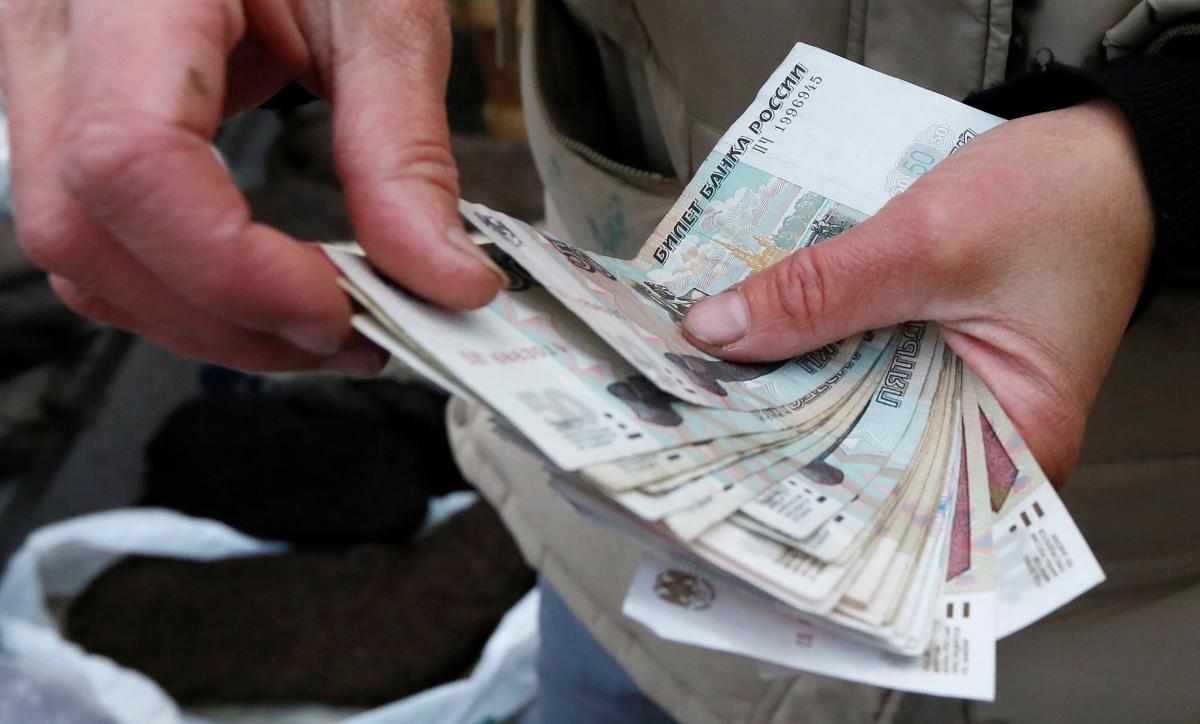
Russian citizens more than halved the share of their income directed toward savings in the first half of 2026 as household costs rapidly outpaced earnings.
Data published by online news outlet The Moscow Times showed that the portion of household earnings allocated to savings fell from 10 percent to 4.4 percent between January and June 2026. The metrics track funds placed into bank deposits, real estate purchases, securities, and foreign currency.
During the six-month period, nominal incomes in Russia increased by 7 percent, while consumer expenditure surged by 13.7 percent.
Vasyl Kutyin, director of analytics at Ingo Bank, a Moscow-based commercial lender, said that after purchasing food and medicines, paying utility bills, and meeting other mandatory expenses, many Russian households have no leftover funds to set aside.
Impact on Household Finances
Kateryna Kazak, chief executive officer of Ceberbird Fintech Group, said a reduced savings rate shrinks a family's financial margin of safety. She noted that when spare cash runs low, sudden home repairs, medical emergencies, or temporary job losses can quickly force households to apply for credit.
The decline in savings was also driven by interest rate cuts implemented by the Central Bank of the Russian Federation, the country's central monetary authority, during the first half of the year. Lower policy rates reduced yields on commercial deposits, making them less appealing to depositors.
Despite the lower savings rate, overall bank deposit balances did not shrink. Central bank figures show citizen deposits grew by 1.1 trillion rubles in the first six months of 2026. However, Vitaliy Kostyukevych, a representative of Absolut Bank, said part of that money is moving out of banking products and into everyday consumption.
Kostyukevych noted that the slowing inflow of funds has heightened competition among banks for depositors, compelling lenders to keep rates high or raise interest on specific deposit accounts. While money drawn from banks supports consumer demand, it decreases funds available for commercial lending, potentially curtailing long-term investment and driving up prices.
Broader Economic Pressures
Nataliya Milchakova, lead analyst at investment services firm Freedom Global, said Russians will have progressively fewer chances to save if income growth continues to fall short of rising expenses.
The contraction in savings comes as Russia's banking network contracts and cash holdings rise. Russian banks have shut 1,370 branch locations since the beginning of the year, while depositors have converted 2.4 trillion rubles into cash and domestic businesses have sought to transfer capital abroad.
Government finances are also under strain, with Russia's federal budget deficit widening to 6.46 trillion rubles in the first seven months of 2026. Russian officials are preparing new tax changes that could raise the tax burden further, following an increase in corporate profit tax to 25 percent in 2025.