Russian banks are losing trillions of rubles as citizens withdraw cash and companies transfer capital abroad, according to Ukraine's Foreign Intelligence Service.
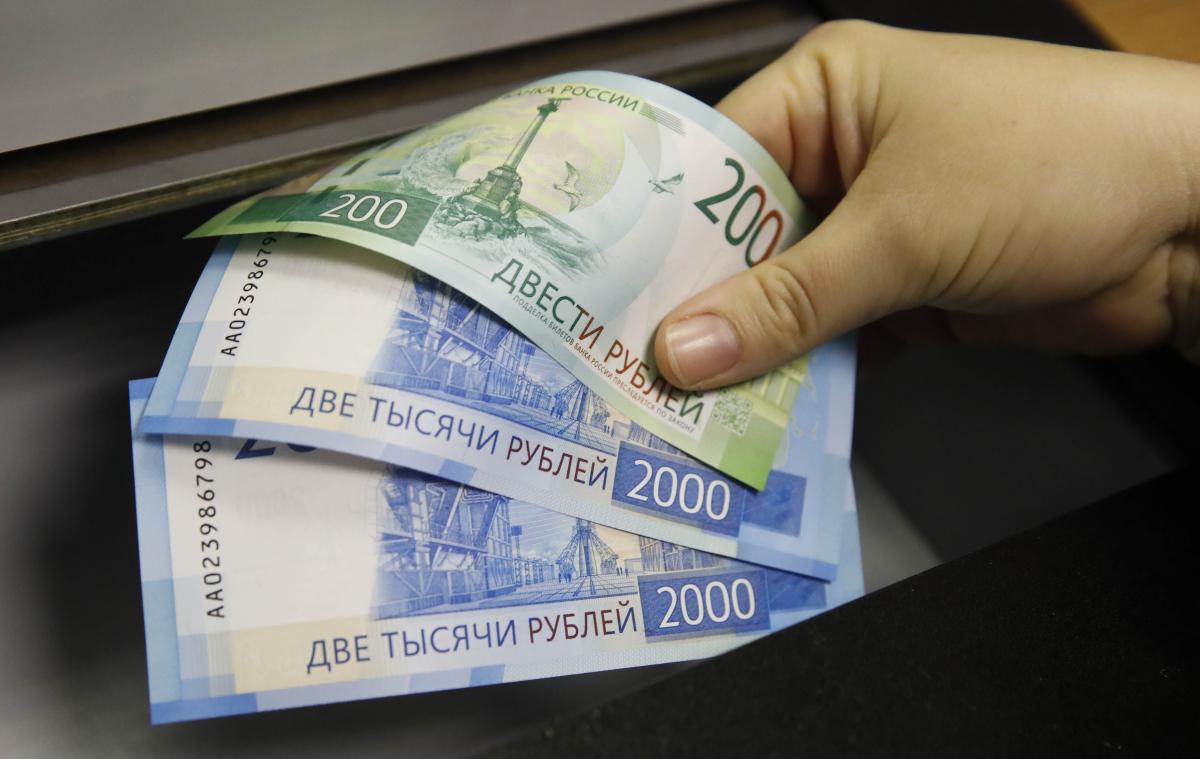
Data from the Central Bank of the Russian Federation shows depositors have converted 2.4 trillion rubles into cash since the start of the year. Outflows hit a recent high of 643 billion rubles in July, with an additional 300 billion rubles withdrawn during the first half of August.
At the same time, commercial lenders are shrinking their physical footprints across the country. A total of 1,370 bank branches have shut since the beginning of the year, averaging 196 closures per day, which is double the rate recorded last year.
Sberbank, Russia's largest state-owned lender, accounts for roughly 540 of those closures, representing nearly 40 percent of the total. While financial institutions attribute the downsizing to digitization and cost cutting, customers face diminishing access to physical cash services.
Rising Fears and Capital Flight
Ukraine's Foreign Intelligence Service stated that holding cash has become more than a habit for the Russian public. The agency reported that war, international sanctions, and state intervention in the economy have damaged public confidence that bank deposits remain secure and accessible.
Growing concerns across Russia suggest banking funds could be diverted to finance military operations, or that the government might seize personal savings during a financial crisis. Large corporations are adopting similar strategies by moving capital abroad to guard against confiscations, regulatory restrictions, and war-related losses.
The Foreign Intelligence Service of Ukraine serves as the country's primary external intelligence agency, monitoring economic developments and security threats. The Bank of Russia operates as the nation's central monetary authority, overseeing national currency circulation and banking regulations.
Strained State Reserves and Budget Deficits
Financial pressure on the state is mounting alongside the banking drain. The Bank of Russia has continuously sold gold from its reserves, cutting holdings by 1.6 million troy ounces since the beginning of the year to 73.2 million ounces as of August 1, marking the lowest level since January 2020.
Russia's federal budget deficit expanded to 6.46 trillion rubles over the first seven months of 2026. Following an increase in corporate profit tax to 25 percent in 2025, authorities are preparing additional tax hikes to cover the shortfall.
Following asset confiscations and tax increases, the Kremlin may turn to private pension savings as a new funding source to finance ongoing war efforts.