

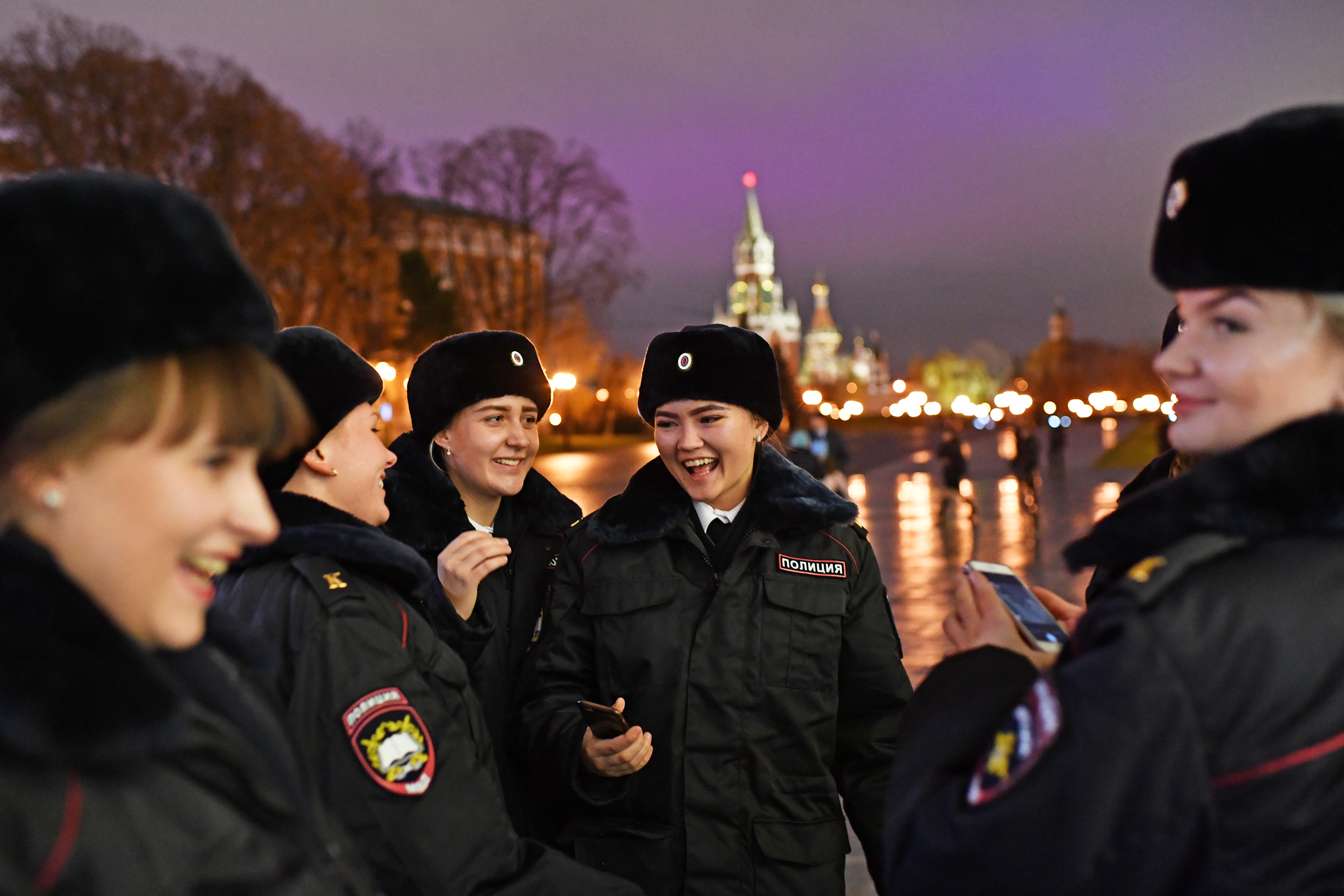
Russia will mark Internal Affairs Directorate Day on Tuesday, November 10, honoring police officers and domestic security personnel across the nation.
The annual professional holiday, established by presidential decree, recognizes active police officers, investigators, forensic experts, precinct officers, traffic police personnel, cadets and veterans of internal affairs bodies.
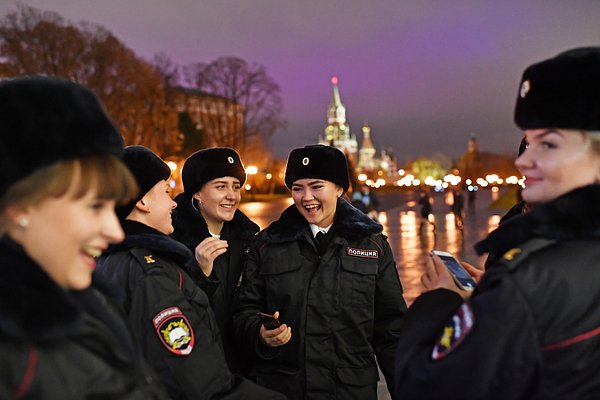
Despite the official prominence of the occasion, it is not a public holiday and staff receive no day off.
The date commemorates the decree on the workers militia adopted by the Soviet interior commissariat on November 10, 1917, corresponding to October 28 under the old style calendar.
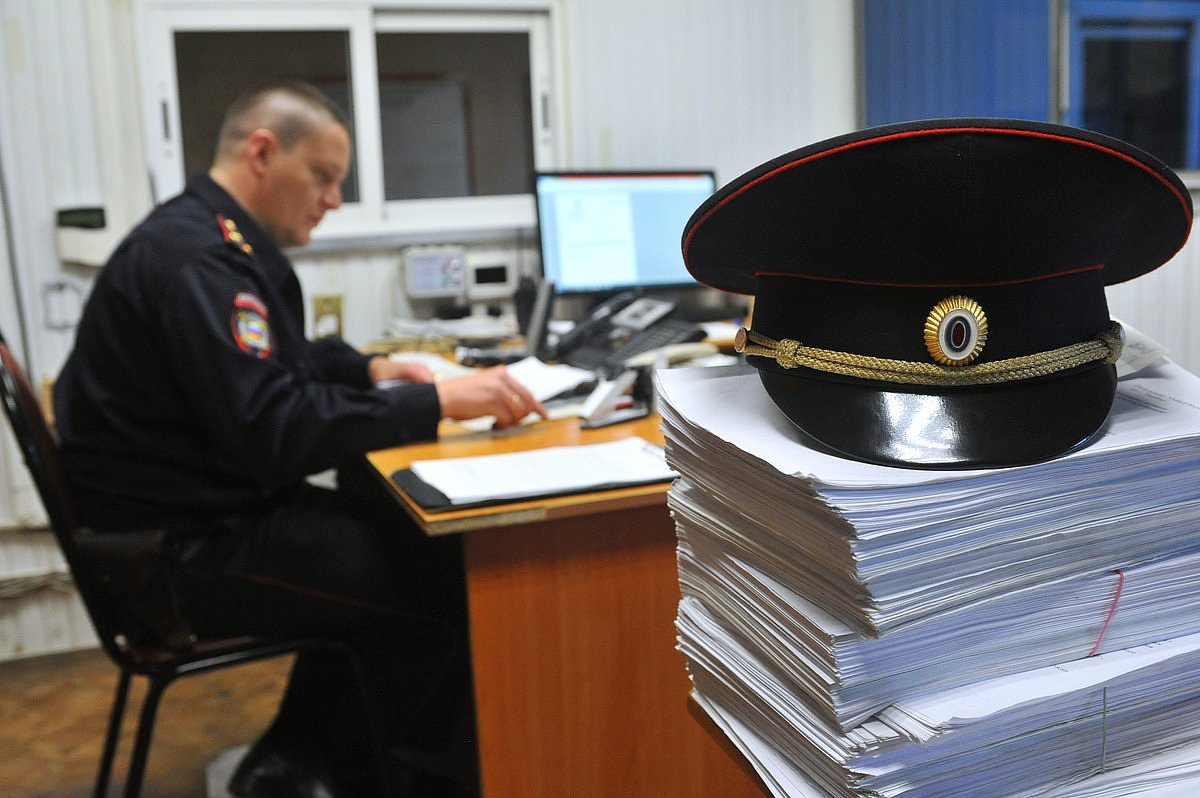
Origins of Russian law enforcement
Russian internal affairs agencies trace their roots to the early eighteenth-century administrative reforms of Emperor Peter I.
An imperial decree on June 5, 1718, created the post of general police master of Saint Petersburg, appointing Adjutant General Anton Manuilovich Devier, a Dutch native and former orderly to the tsar.
Devier led a force tasked with public safety, crime control and social order, establishing 1718 as the foundational year for Russian internal affairs bodies.
Authorities expanded municipal police forces to 23 of the largest cities in the Russian Empire in 1733, followed by further organizational growth under Empress Catherine II.

Court lawyer Liubava Trofimova, head of the legal project Sam v Sud, said rural police chosen from the peasantry appeared across countryside districts in 1774.
The All-Russian Police Charter of 1782 established a formal statutory basis regulating policing, while Emperor Alexander I created the Ministry of Internal Affairs by imperial decree in 1802 as the central domestic administration, Trofimova said.
Following the 1917 revolution, People's Commissar for Internal Affairs Aleksei Rykov signed the foundational decree establishing the state workers militia on November 10, 1917.
Soviet militia day and modern reforms
Soviet personnel first observed an unofficial holiday in 1918, before the Presidium of the Supreme Soviet of the USSR formally instituted Soviet Militia Day on November 10, 1962.
The date became an official state holiday in 1980 and continued after the collapse of the Soviet Union in the early 1990s, when the ministry continued operating under the Russian Federation.
Lawyer Aleksandr Budaragin, head of the legal group Legal Aid from A.A. Budaragin and Partners, said the nation observed Militia Day until wide-ranging organizational reforms took effect in 2011.
Russia enacted the federal law on police on March 1, 2011, officially renaming the militia to police.
Presidential Decree 1348, signed on October 13, 2011, renamed the holiday to the Day of the Employee of the Internal Affairs Agencies of the Russian Federation ahead of the November observance.

Yulia Nadekhina, associate professor of sociology, management psychology and history at the State University of Management, said the date remains familiar because police officers who protect public order command respect.
Nadekhina said public attitudes shifted after the Soviet collapse as the cinematic image of the Soviet militia officer faded across the post-Soviet space.
She linked this to corruption within the service and rapid technological developments, noting a 1999 survey found only eight percent of serving officers believed the public viewed them positively.
Those issues prompted authorities to pursue the 2011 police reform, with Nadekhina adding that professional holidays aim to foster public respect and that improving public trust remains an ongoing process dependent on individual officer conduct.
Trofimova noted that internal affairs agencies have undergone repeated reforms to modernize operations, combat crime and maintain public order.

Concerts and national holiday traditions
Celebrations follow established customs that include ceremonial parades, award ceremonies for distinguished officers, formal congratulations, and community athletic and cultural events.
Grand holiday concerts began in 1966, followed by regular nationwide television broadcasts starting in 1972.
Nadekhina said leading variety stars considered performing at the televised concert an honor that guaranteed wider popularity.

Budaragin noted that authorities cancelled the annual concert broadcast only once in Soviet history, following the death of General Secretary Leonid Brezhnev in November 1982.
Modern celebrations feature a televised concert in Moscow at the State Kremlin Palace, where prominent artists perform and senior officials present awards to outstanding personnel.
Budaragin said police officers traditionally report for duty in full dress uniform on November 10.
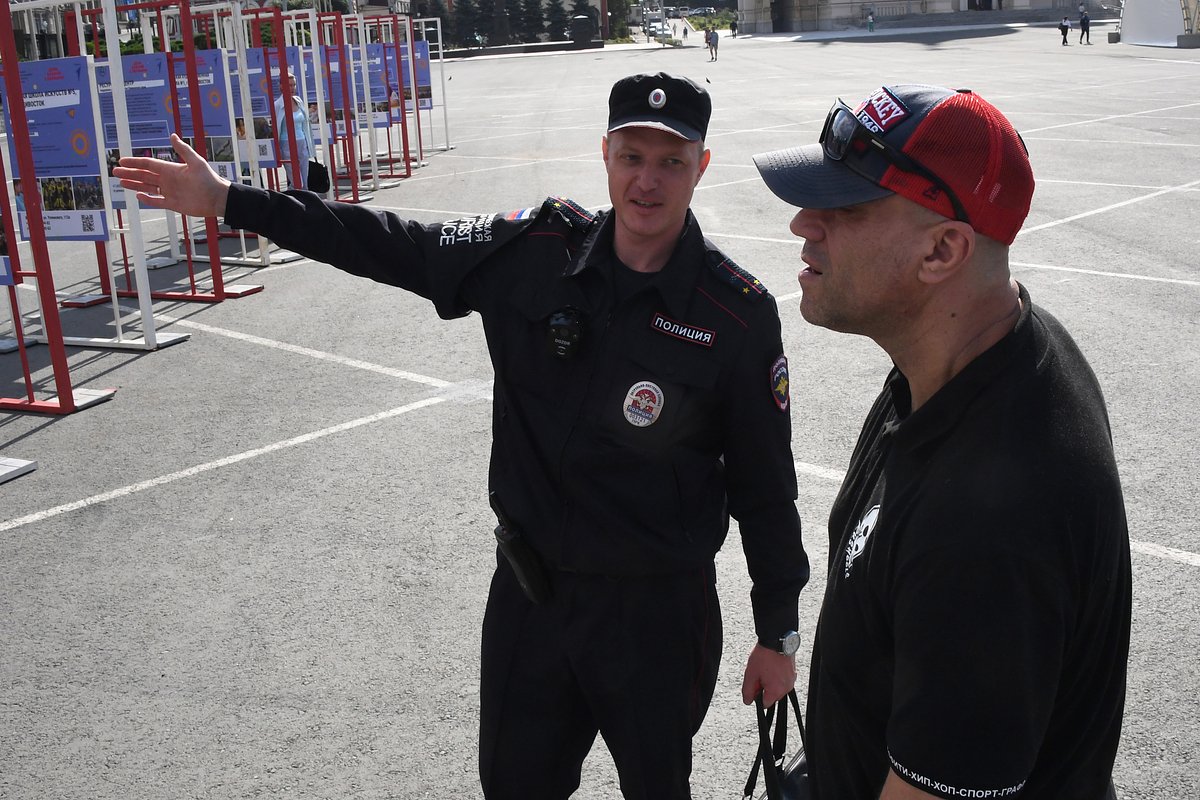
Male officers wear dark blue tunics with scarlet trouser stripes, white shirts and peaked caps with scarlet piping, while female officers wear matching tunics or jackets, white blouses, dark shoes, and skirts or trousers.
Observances include wreath laying at memorials, speeches by agency leaders, and presentations of national and municipal awards.

Commands organize sports tournaments, cultural activities for residents, and charitable programs assisting those in need to strengthen ties between law enforcement and local communities.
Regional observances vary across Russia, with some jurisdictions staging local parades, weapons and equipment exhibitions, and displays reflecting local law enforcement history.
Budaragin noted that comparable holidays exist internationally, pointing out that Cuba marks police day on November 10, while Singapore holds an extensive police week each year from June 3 to June 10.
Specialist police divisions and duties
The internal affairs system operates as an intricate organizational structure that extends far beyond general investigators and field detectives.

Department investigators serve as the analytical centre of the service, interrogating suspects, conducting face-to-face confrontations, directing identity parades, and assembling evidence files for court proceedings.
Criminal investigation detectives assist investigators by collecting field intelligence, locating witnesses, tracing stolen property, interviewing victims, and carrying out the majority of criminal apprehensions.
Specialized economic security and anti-corruption units investigate financial crimes, uncovering fraud schemes, bribery networks, and illicit money laundering operations.
Precinct police officers supervise specific administrative sectors in urban districts and villages, handling domestic conflicts, crime prevention duties, public complaints, and monitoring individuals on probation.
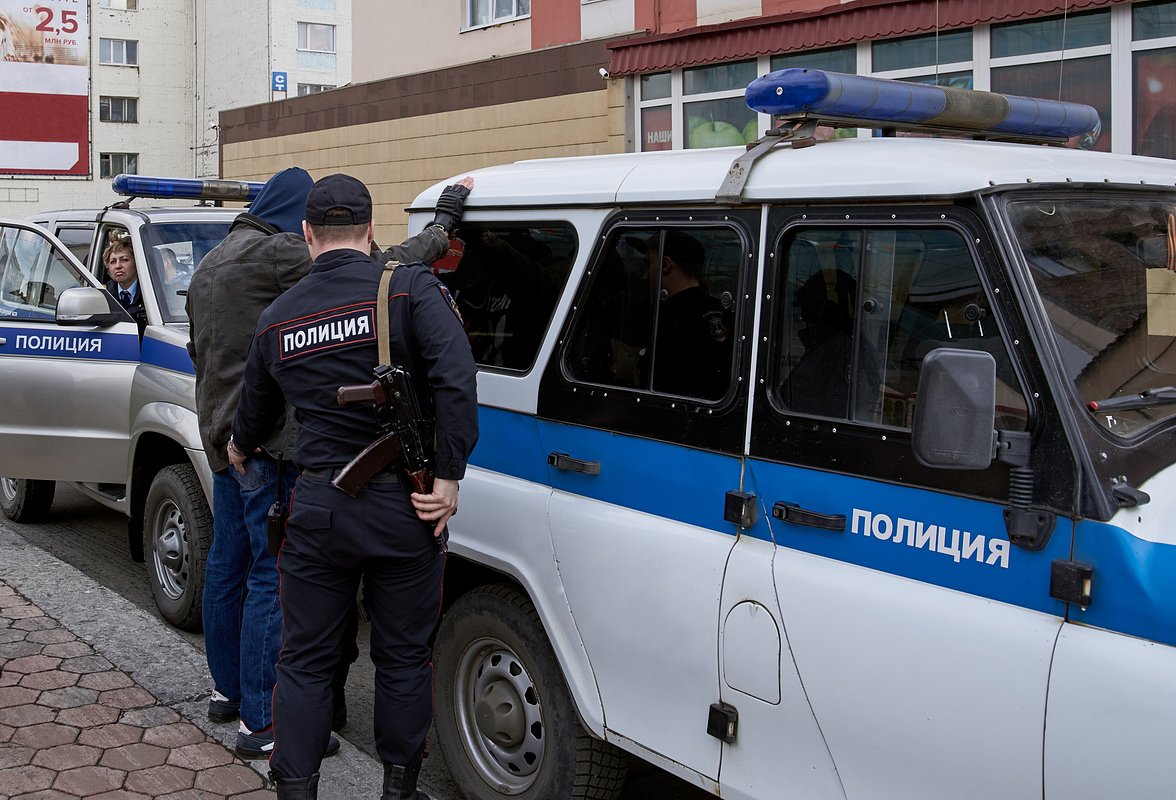
Juvenile affairs inspectors collaborate closely with precinct officers to conduct preventative outreach with at-risk youth, counsel families, and maintain safety at schools and kindergartens, though they do not investigate criminal offenses.
Patrol and inspection service officers maintain a continuous street presence across parks, transit stations and public squares, serving as primary first responders to disturbances and minor offenses.
State traffic inspectors within the road safety agency oversee highway safety, enforce motoring regulations, investigate collisions, and search for stolen vehicles and traffic violators.
Forensic specialists inspect crime scenes to collect fingerprints, biological material, shoe impressions and wound data before conducting laboratory analyses to determine how crimes were committed.
Holiday regulations and departmental dates

The annual celebration offers formal recognition for law enforcement personnel, honoring their courage and dedication while strengthening solidarity within agency ranks.
The observance also allows police families to express pride in relatives serving on active duty.
Many officers continue working throughout November 10, as law enforcement agencies maintain regular around-the-clock operations and emergency response duties nationwide.
Government regulations strictly govern gifts presented to serving personnel, setting a legal ceiling of 3,000 roubles under gift restriction statutes.
Serving officers cannot accept cash, gift vouchers or equivalent financial instruments, with authorities recommending modest items such as sweets, a small cake, or verbal congratulations.
Several individual departments within the Ministry of Internal Affairs observe their own dedicated professional holidays during the year.
Traffic police celebrate GIBDD Day on July 3, special police units observe OMON Day on October 3, criminal investigation detectives mark their day on October 5, and precinct officers celebrate on November 17.


